
Photo Database
Use the filters to find photos and click for a larger, downloadable file.
Except where otherwise noted, text and original photography on this site are licensed under a Creative Commons Attribution-NonCommercial-ShareAlike 4.0 International Licence (CC BY-NC-SA 4.0.). Please credit: Jeremy Moorhouse / Clean Energy Build-Out.

False Creek Neighbourhood Energy Utility

False Creek Neighbourhood Energy Utility

False Creek Neighbourhood Energy Utility

The Hive

False Creek Neighbourhood Energy Utility

The Hive
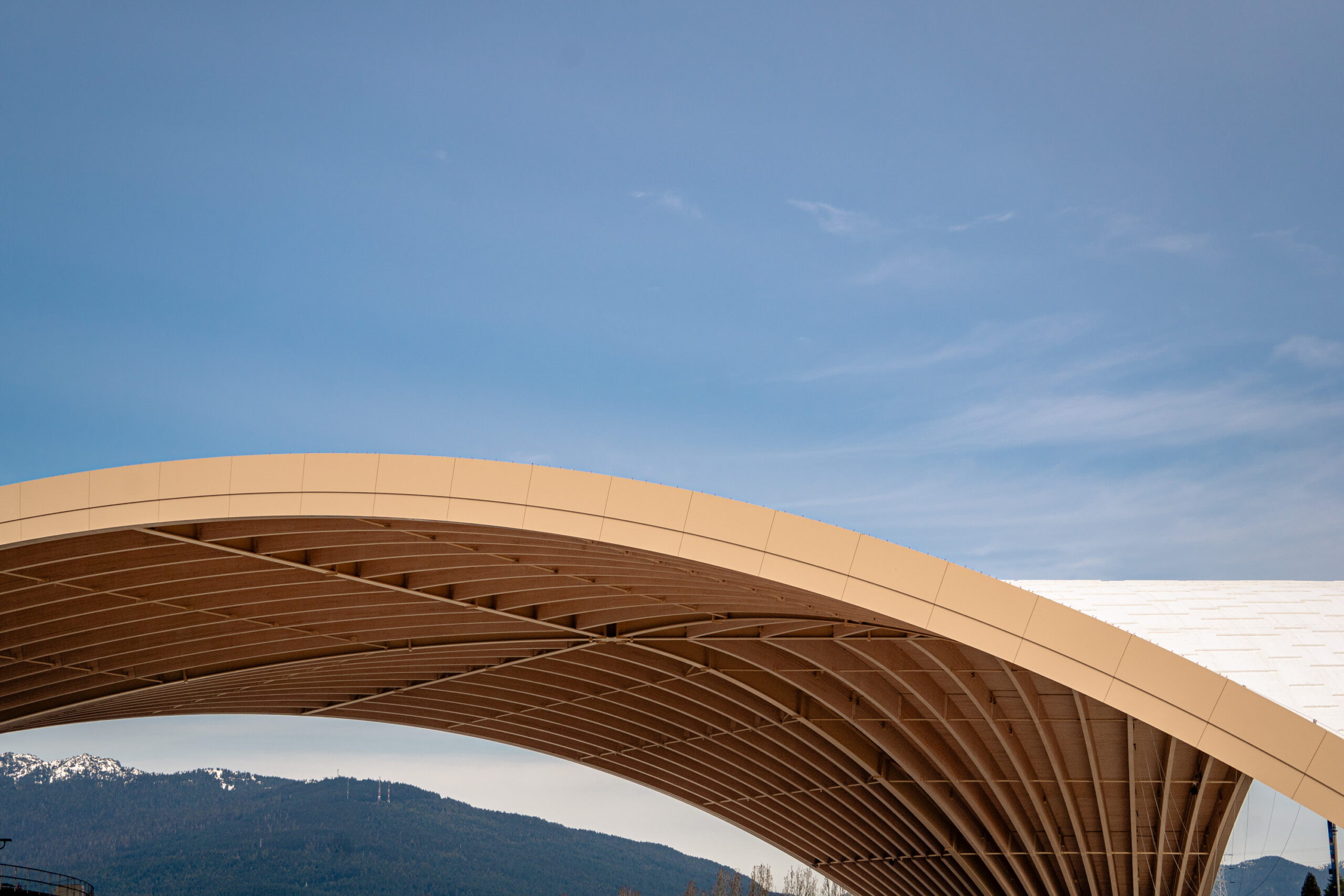
Freedom Mobile Arch
False Creek Neighbourhood Energy Utility

The Hive

Freedom Mobile Arch

False Creek Neighbourhood Energy Utility

The Hive

Freedom Mobile Arch

False Creek Neighbourhood Energy Utility

The Hive

Freedom Mobile Arch
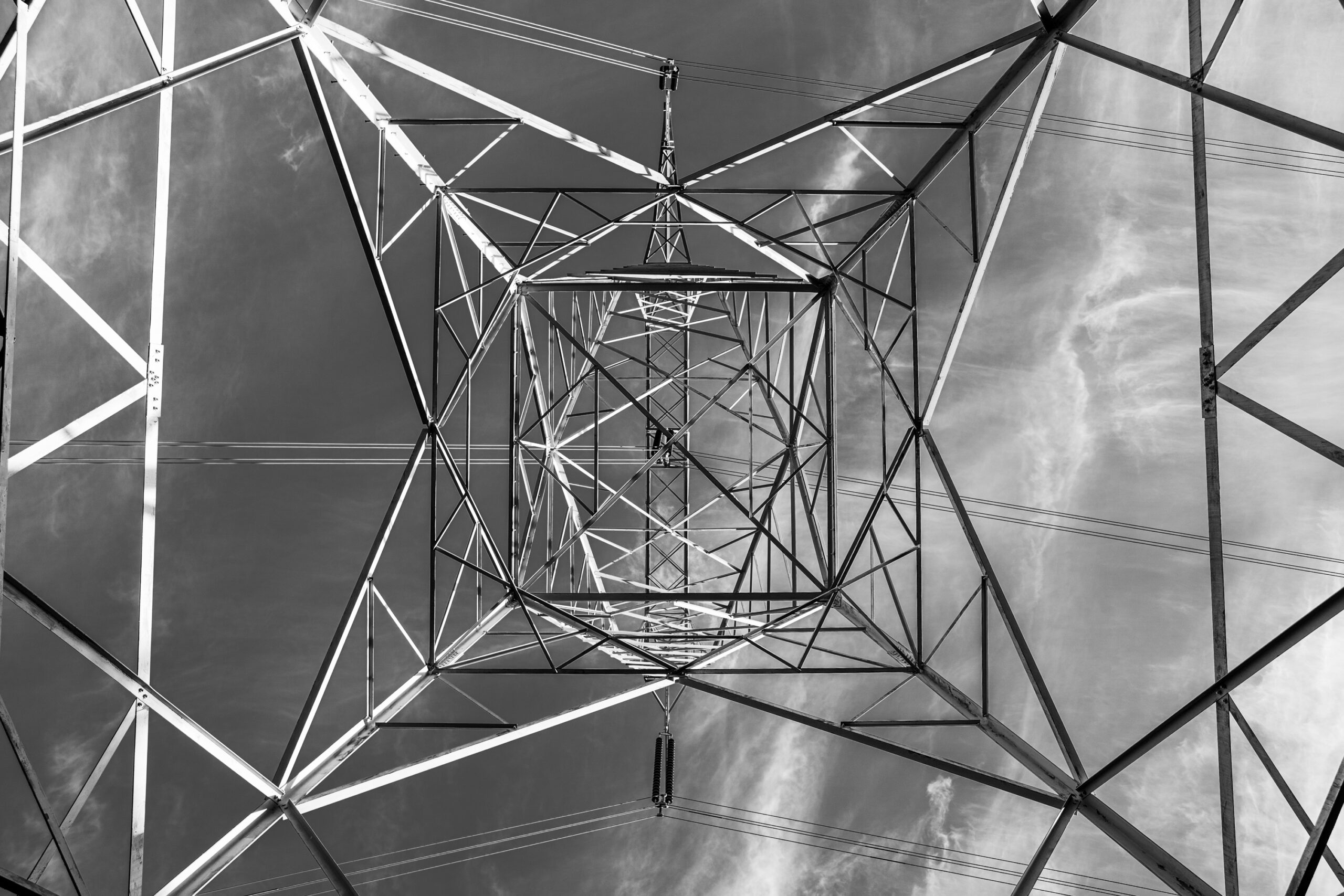
L851 Transmission Line

False Creek Neighbourhood Energy Utility


The Hive

Freedom Mobile Arch

L851 Transmission Line

False Creek Neighbourhood Energy Utility

Freedom Mobile Arch

False Creek Neighbourhood Energy Utility

L851 Transmission Line

L851 Transmission Line

False Creek Neighbourhood Energy Utility


L851 Transmission Line

False Creek Neighbourhood Energy Utility

L851 Transmission Line

The illuminated towers of Vancouver’s False Creek Energy Centre reveal an unusual source of renewable energy: sewage. Built for the 2010 Winter Olympics, the district energy system captures waste heat from wastewater to supply heating and hot water to surrounding buildings. By 2025, the municipally owned utility served 47 buildings and more than 10,000 residents. A $20 million expansion added 6.6 MW of heat recovery capacity, tripling the system’s capacity to recover sewage heat. In 2025, renewable sources supplied 73% of the utility’s energy, avoiding approximately 7,000 tonnes of CO₂ emissions annually compared with its baseline. The five illuminated exhaust stacks are also public art, changing from blue to red as neighbourhood heating demand increases, making otherwise invisible energy infrastructure visible to the community.
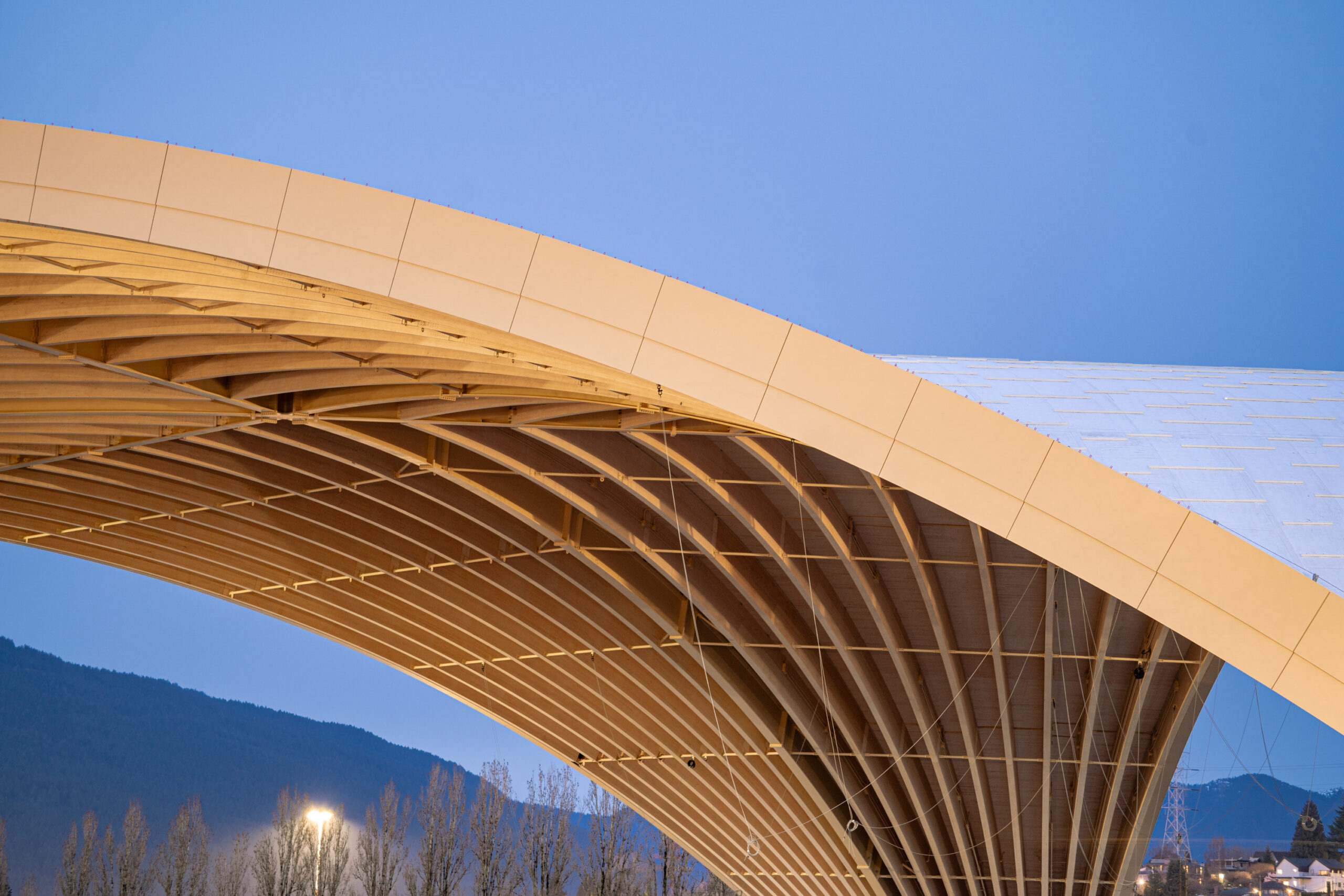

L851 Transmission Line

L851 Transmission Line

False Creek Neighbourhood Energy Utility

L851 Transmission Line

False Creek Neighbourhood Energy Utility

L851 Transmission Line

L851 Transmission Line

L851 Transmission Line

L851 Transmission Line

Chief Leonard George

Chief Leonard George

Chief Leonard George

Chief Leonard George

Chief Leonard George
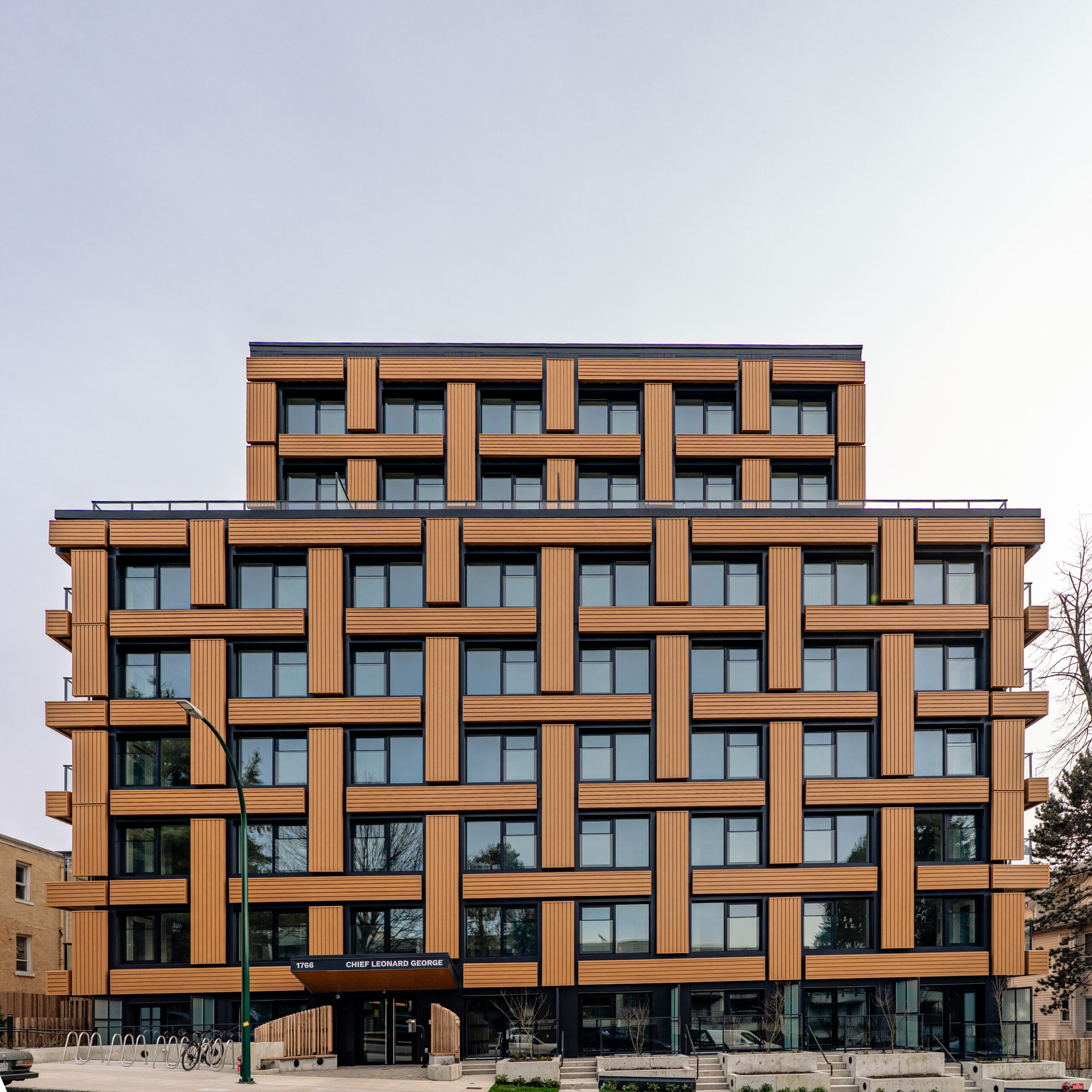
Chief Leonard George

The Hive

Freedom Mobile Arch

Consolidated Biofuels

Consolidated Biofuels
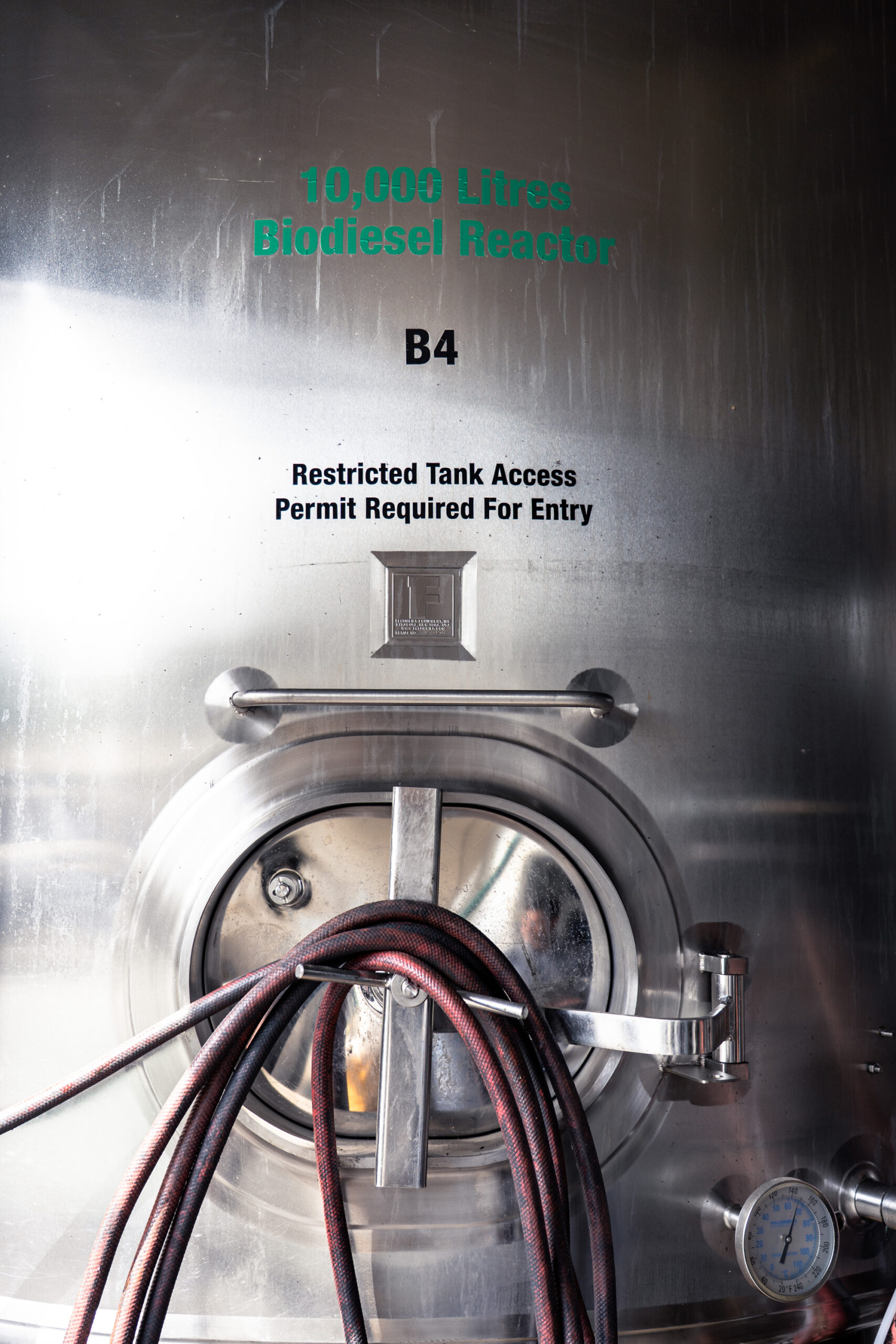
Consolidated Biofuels
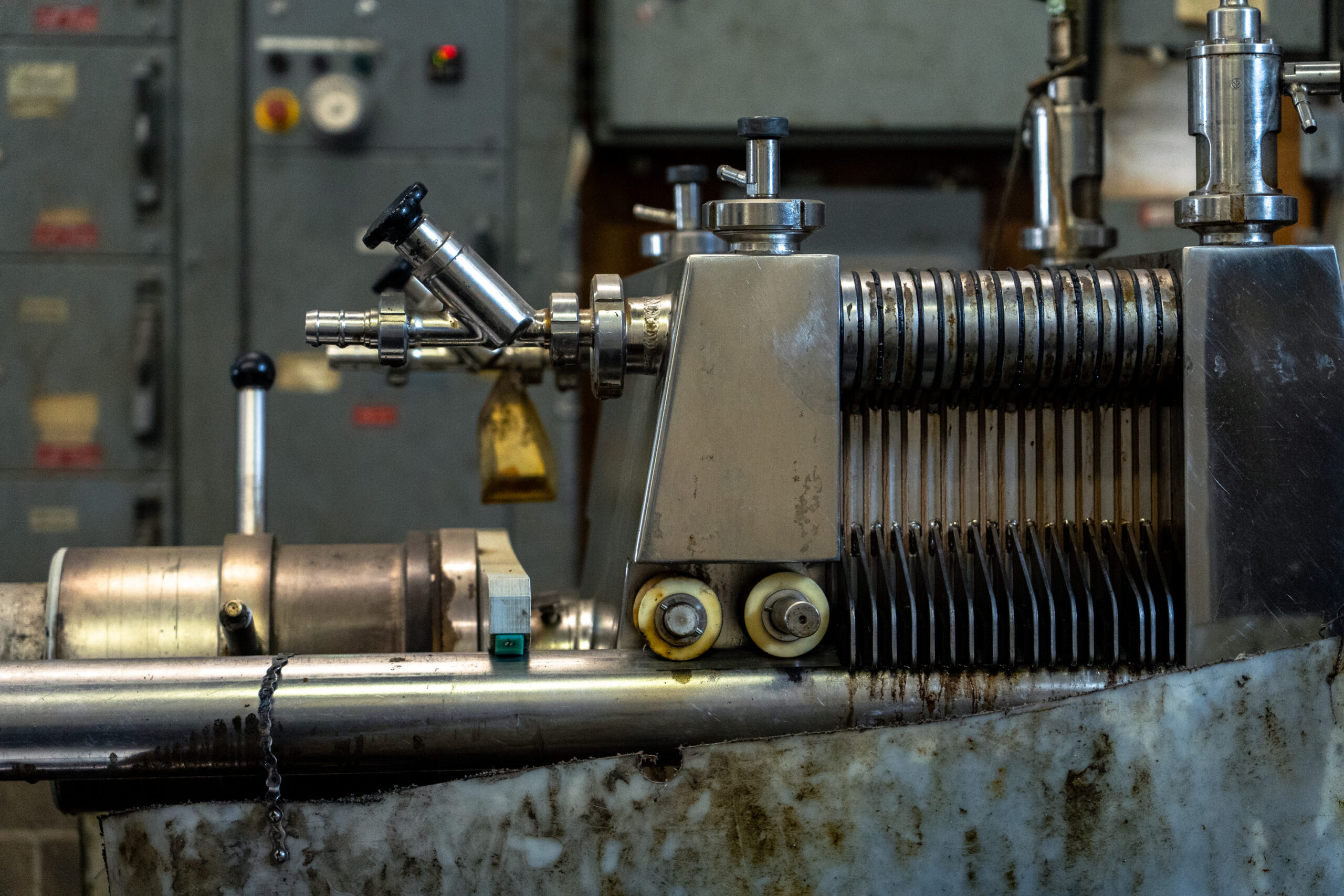
Consolidated Biofuels
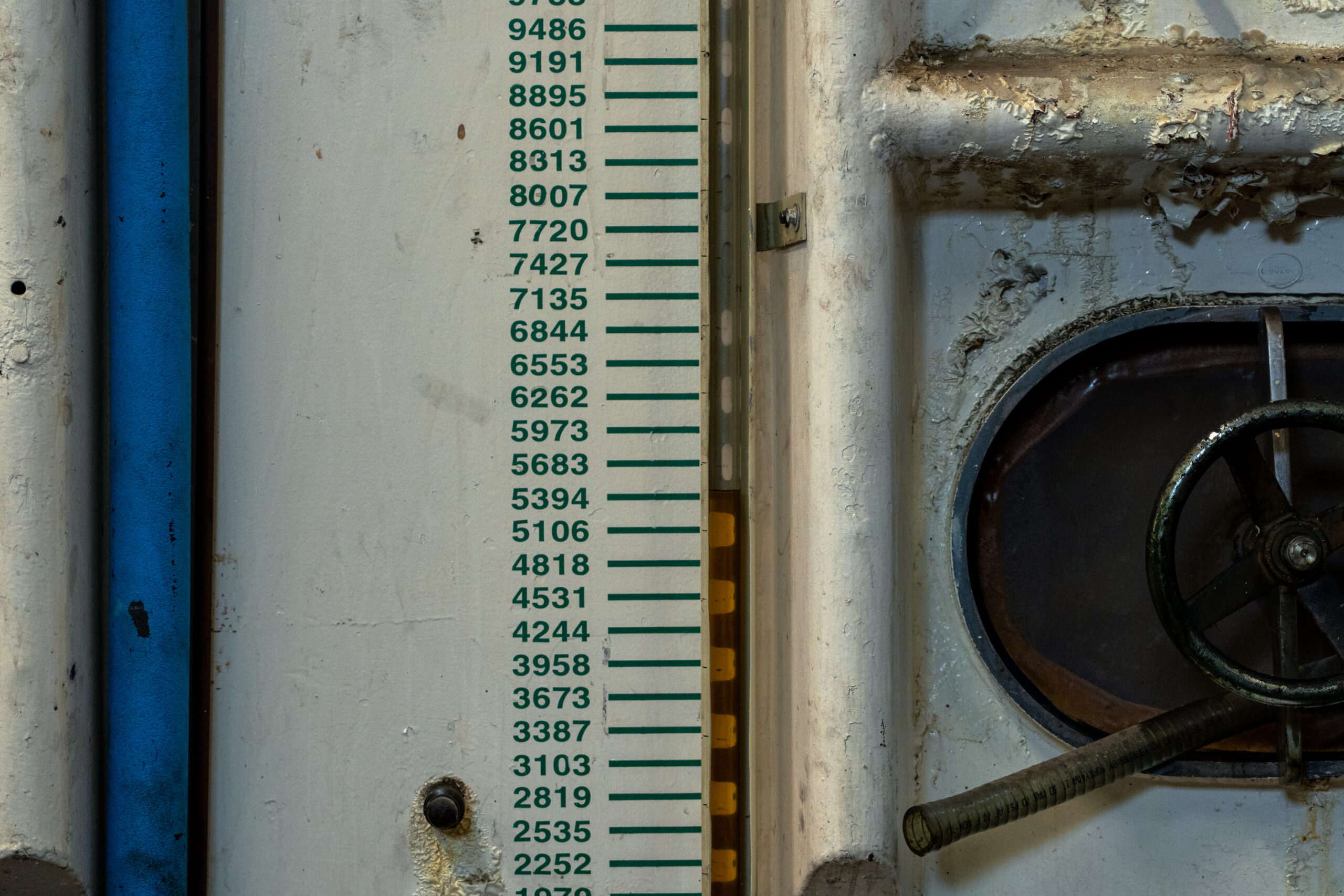
Consolidated Biofuels

Consolidated Biofuels

Consolidated Biofuels
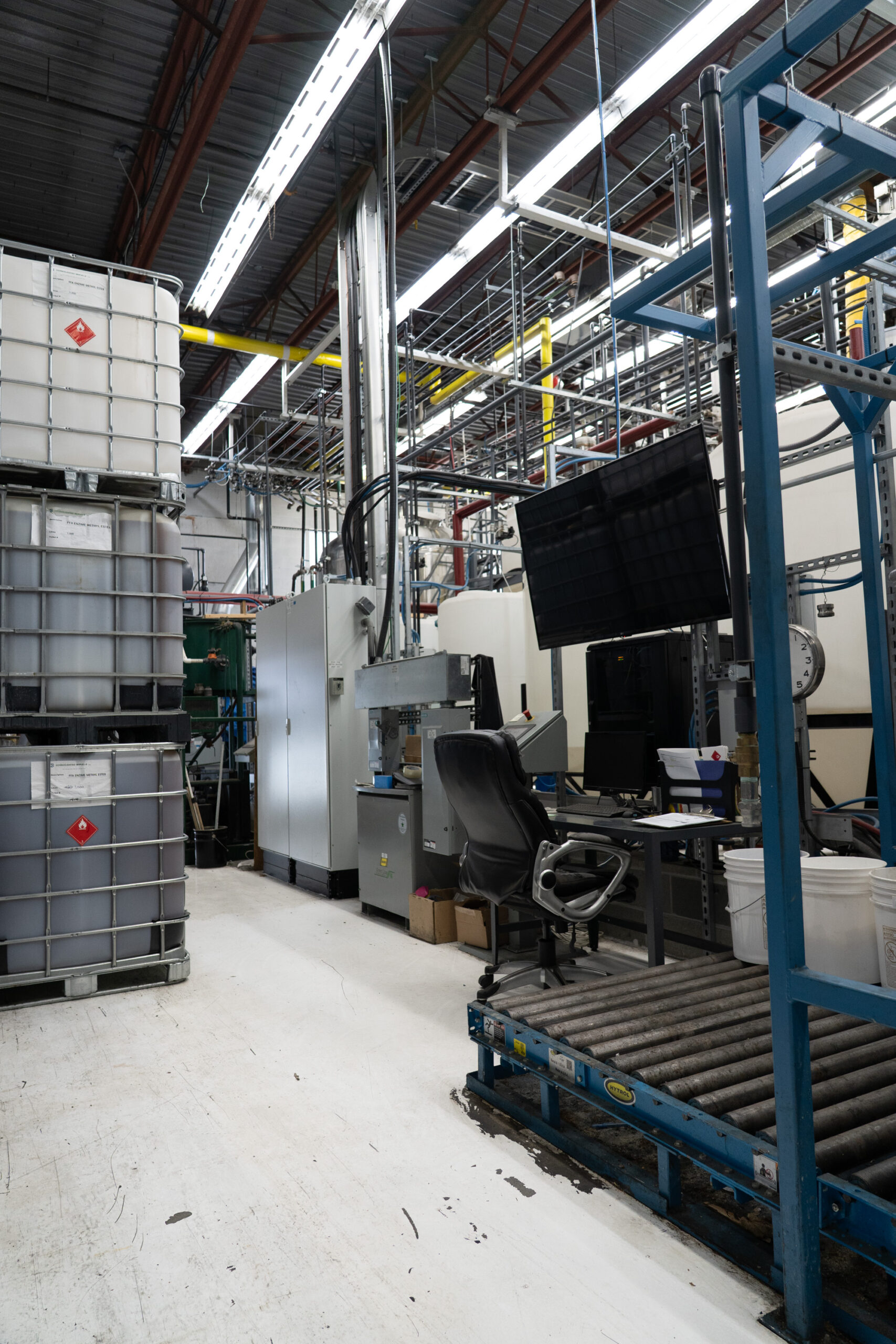
Consolidated Biofuels
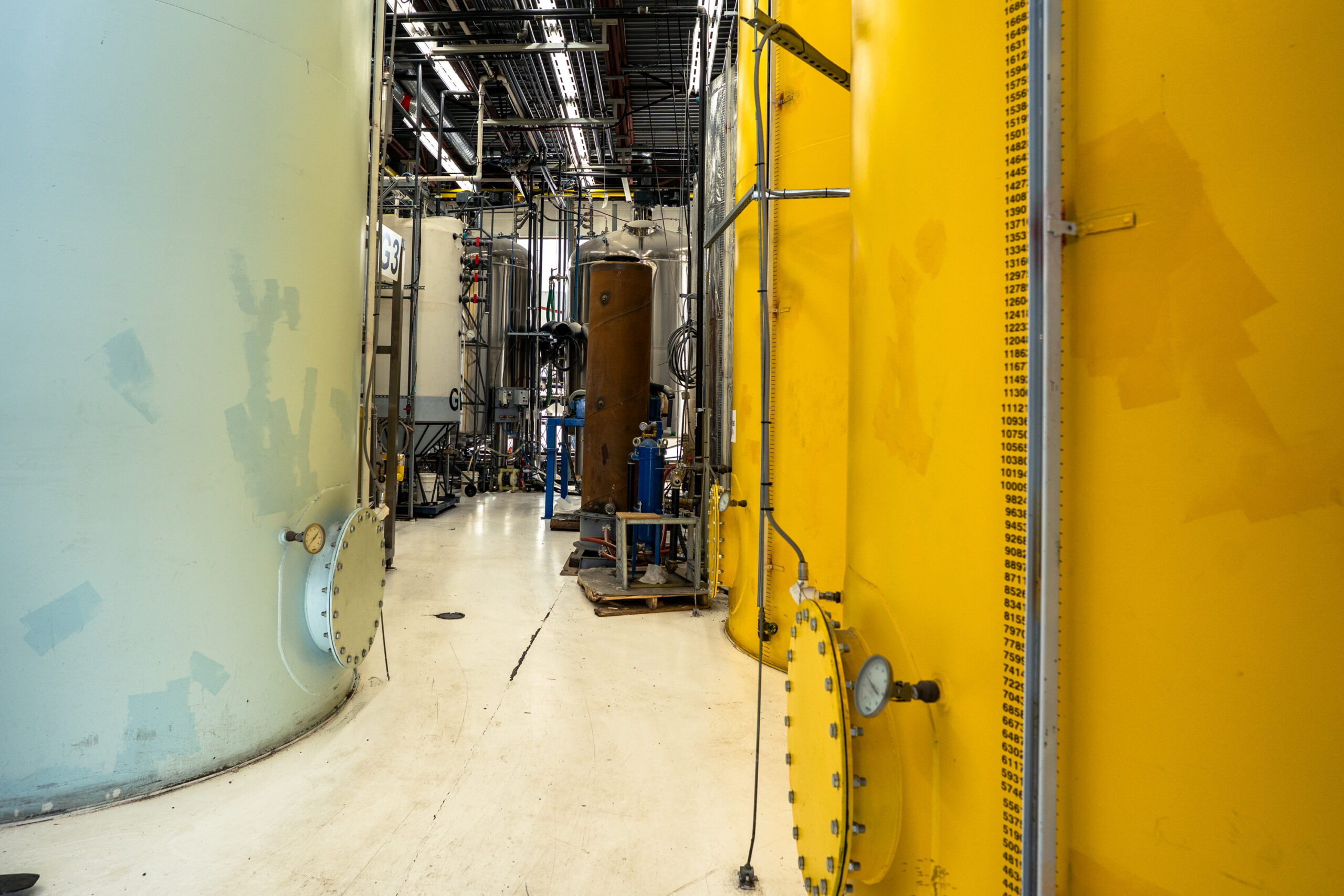
Consolidated Biofuels
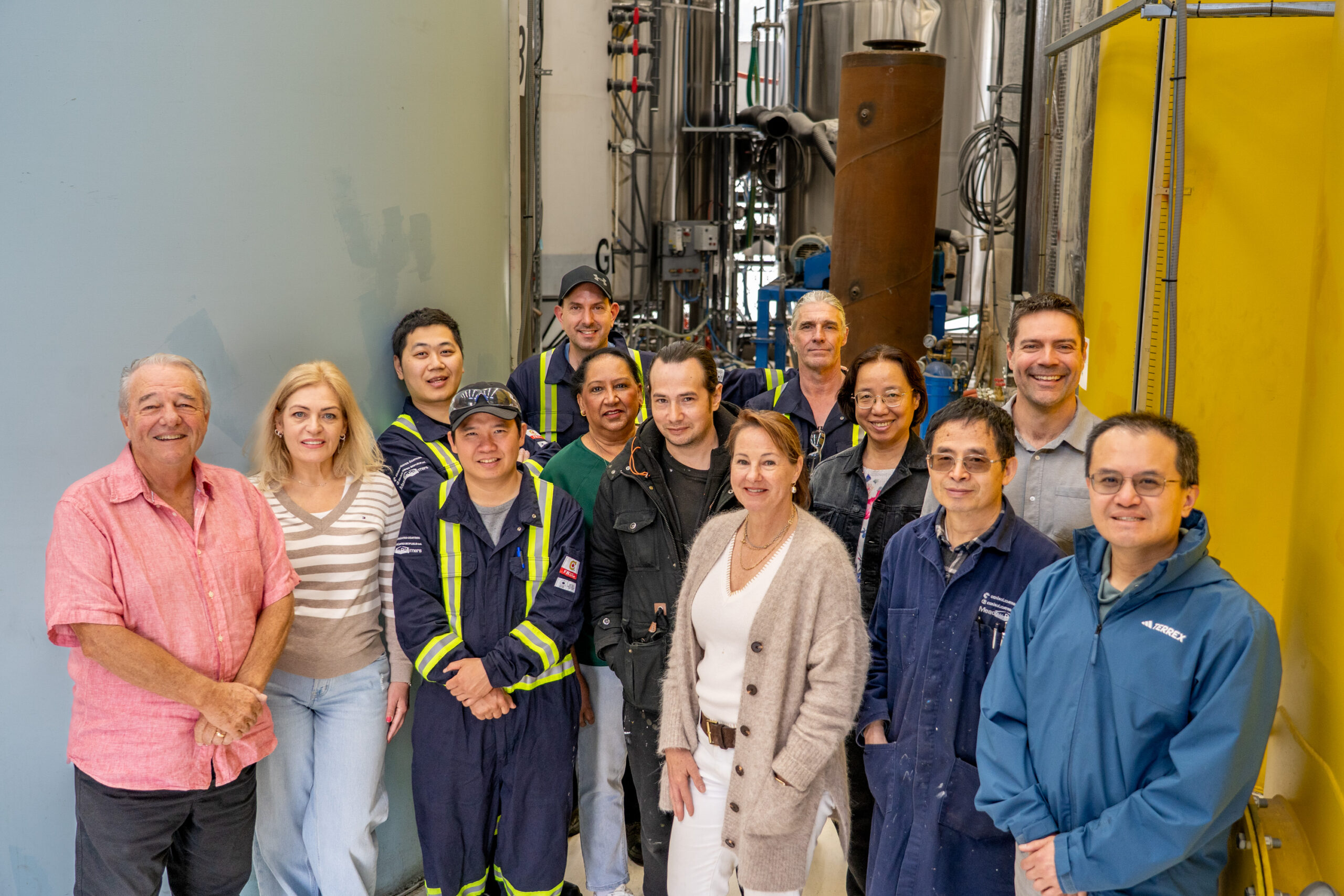
Consolidated Biofuels
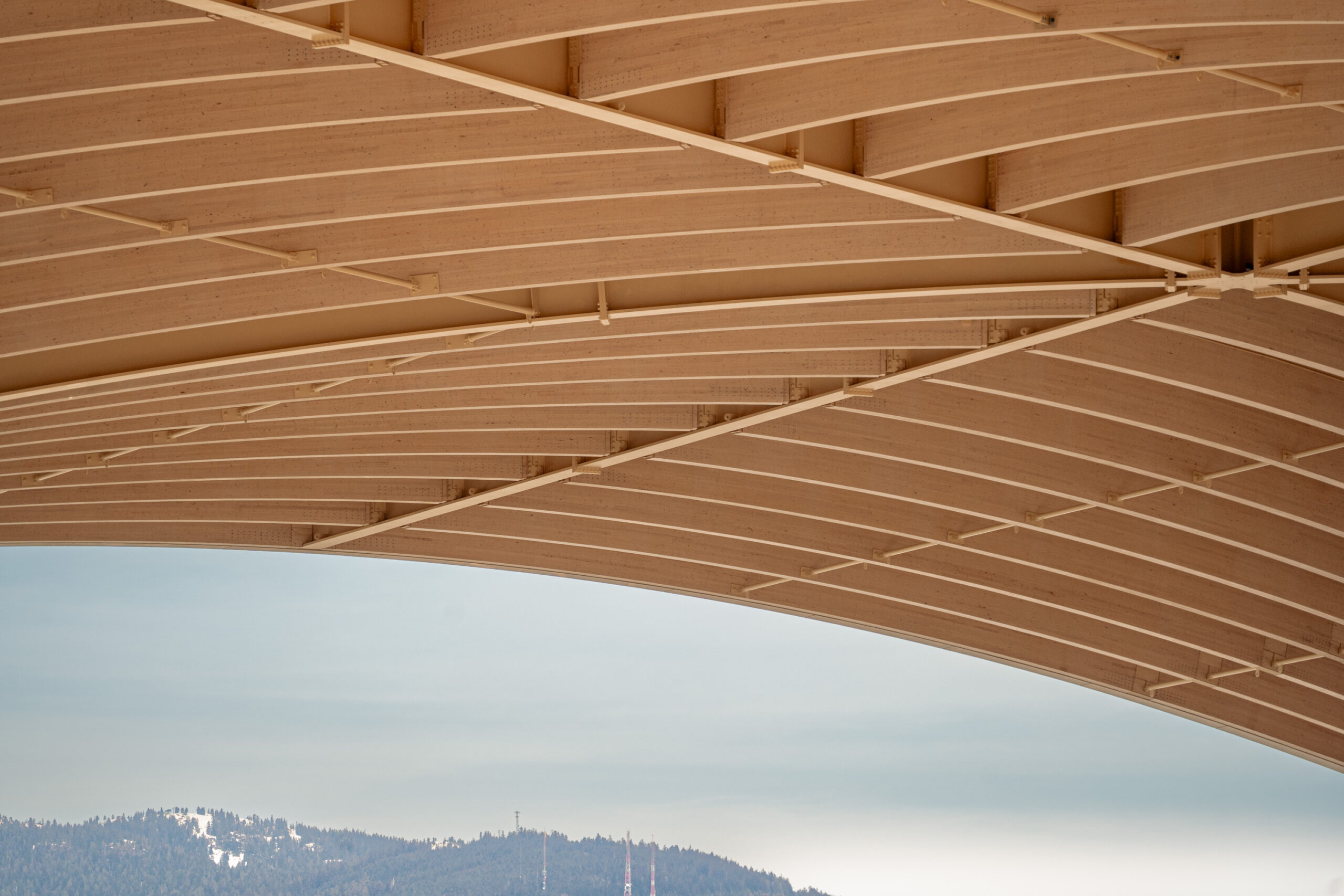
Freedom Mobile Arch
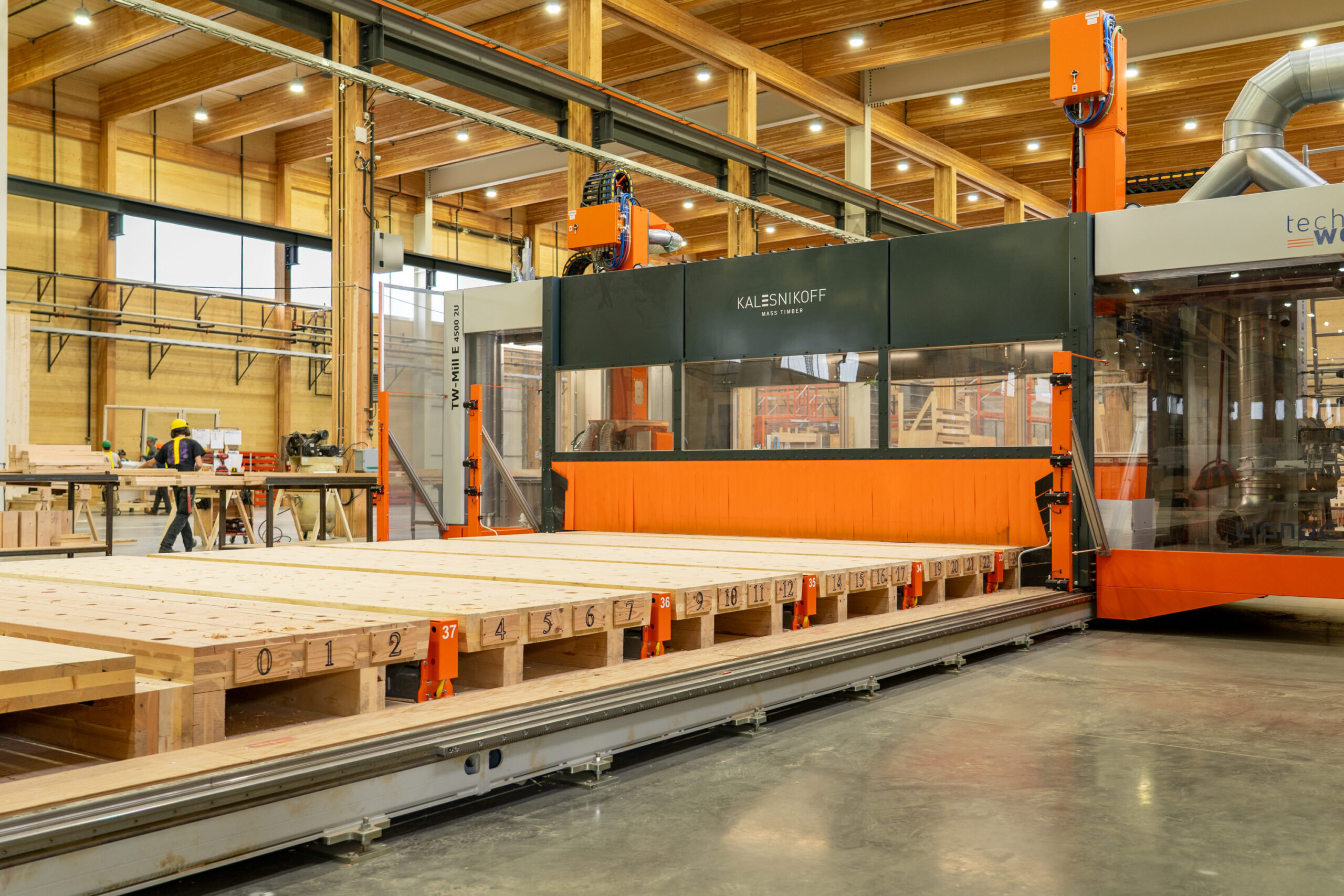
Kalesnikoff Mass Timber and K3 modular construction operations near Castlegar, British Columbia. Founded as a family-owned sawmill in 1940, Kalesnikoff has expanded into mass timber, modular components and finished building systems, investing about $65 million across major facilities in South Slocan and Castlegar. The site shows how a traditional forestry company can move up the value chain, supporting regional employment while producing engineered wood products that can contribute to faster construction and lower embodied carbon in some building applications.
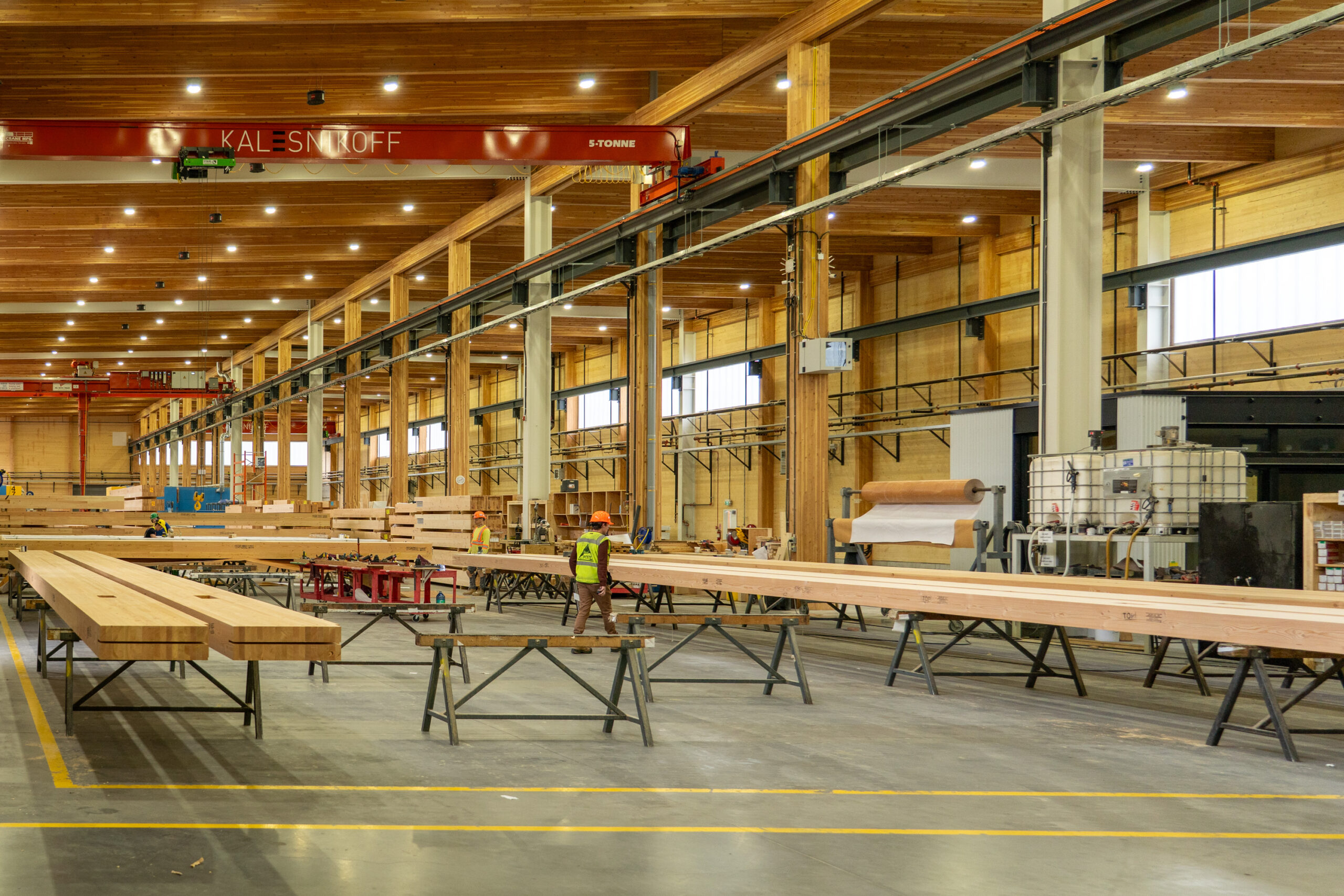
Kalesnikoff Mass Timber and K3 modular construction operations near Castlegar, British Columbia. Founded as a family-owned sawmill in 1940, Kalesnikoff has expanded into mass timber, modular components and finished building systems, investing about $65 million across major facilities in South Slocan and Castlegar. The site shows how a traditional forestry company can move up the value chain, supporting regional employment while producing engineered wood products that can contribute to faster construction and lower embodied carbon in some building applications.
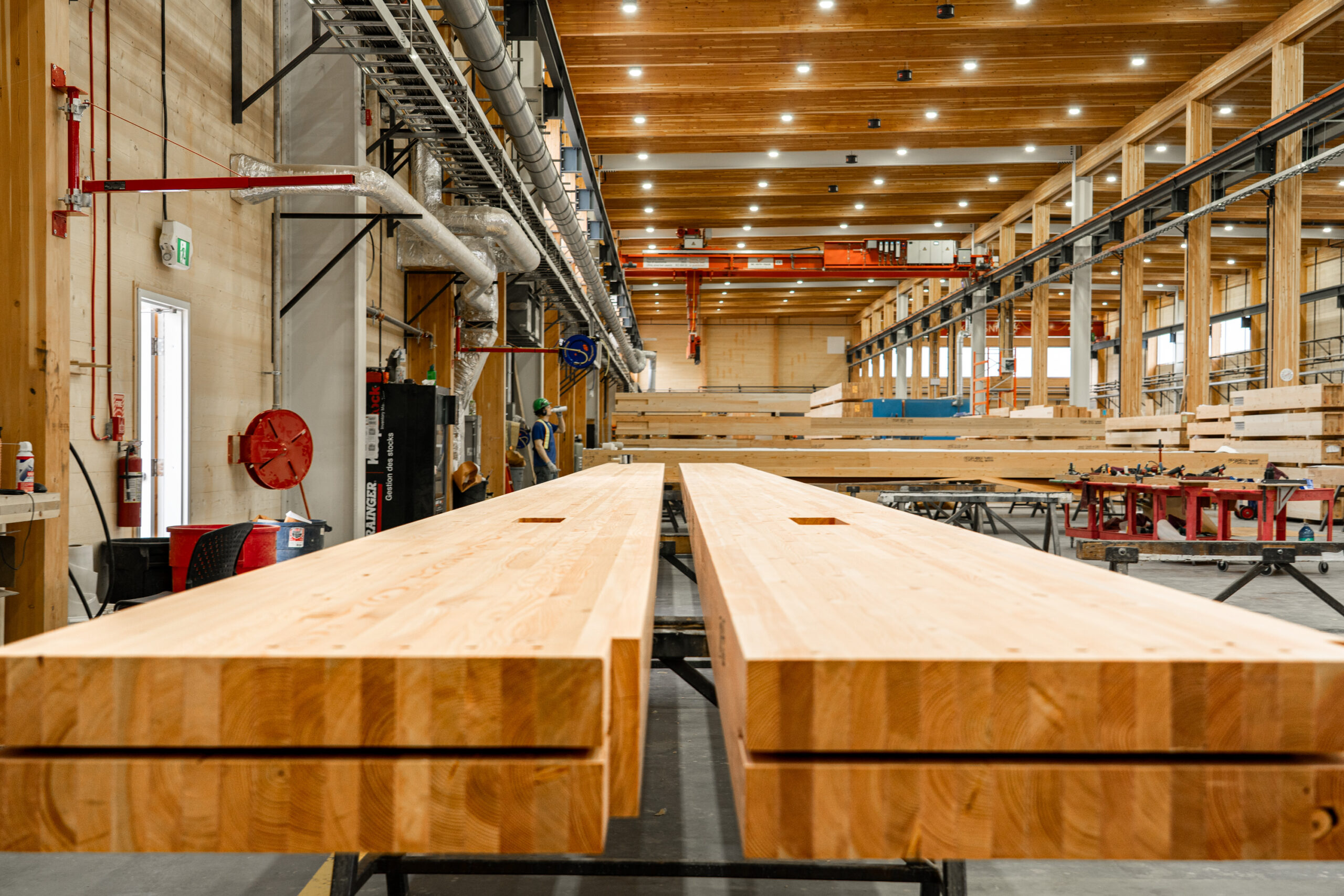
Kalesnikoff Mass Timber and K3 modular construction operations near Castlegar, British Columbia. Founded as a family-owned sawmill in 1940, Kalesnikoff has expanded into mass timber, modular components and finished building systems, investing about $65 million across major facilities in South Slocan and Castlegar. The site shows how a traditional forestry company can move up the value chain, supporting regional employment while producing engineered wood products that can contribute to faster construction and lower embodied carbon in some building applications.
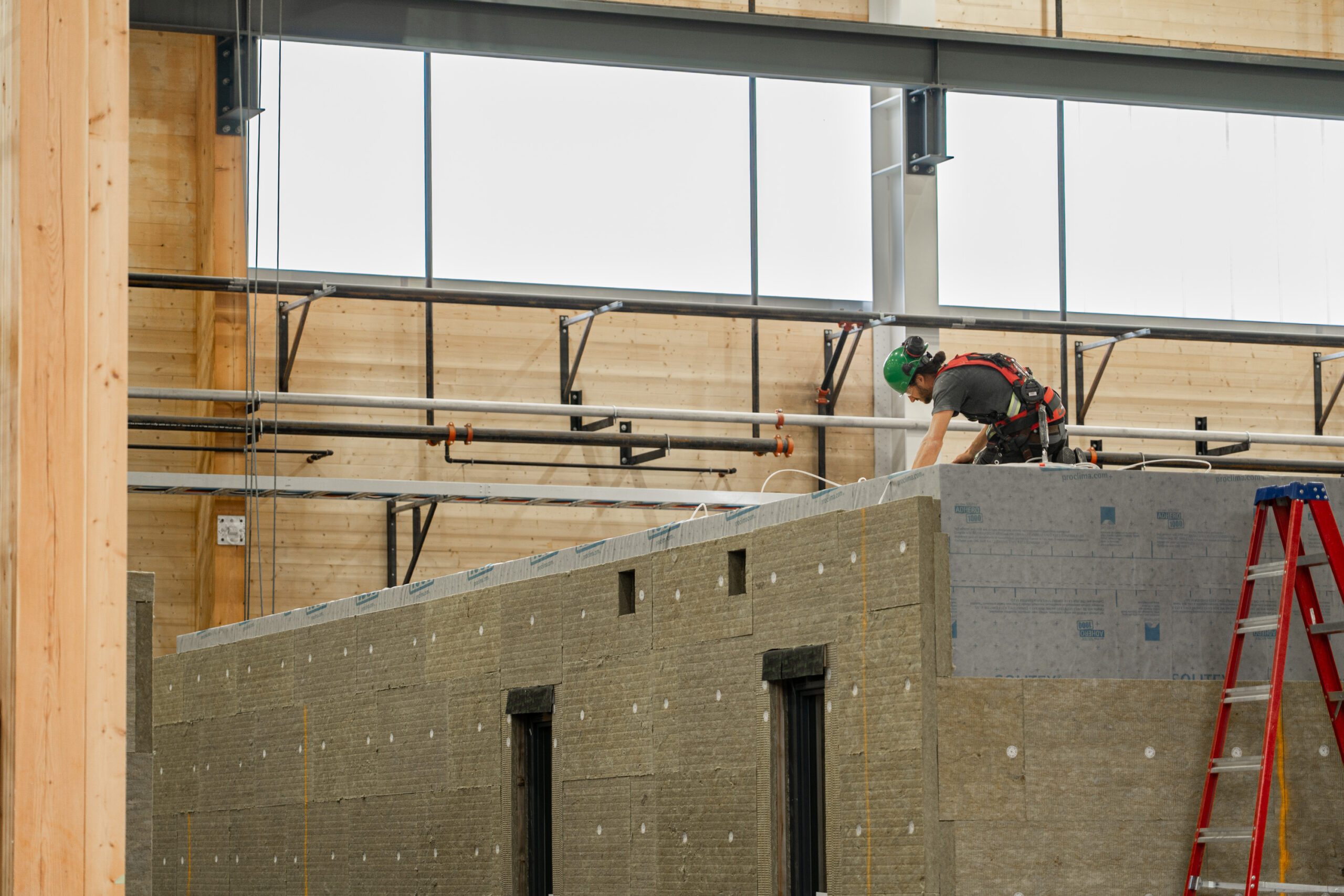
Kalesnikoff Mass Timber and K3 modular construction operations near Castlegar, British Columbia. Founded as a family-owned sawmill in 1940, Kalesnikoff has expanded into mass timber, modular components and finished building systems, investing about $65 million across major facilities in South Slocan and Castlegar. The site shows how a traditional forestry company can move up the value chain, supporting regional employment while producing engineered wood products that can contribute to faster construction and lower embodied carbon in some building applications.

Kalesnikoff Mass Timber and K3 modular construction operations near Castlegar, British Columbia. Founded as a family-owned sawmill in 1940, Kalesnikoff has expanded into mass timber, modular components and finished building systems, investing about $65 million across major facilities in South Slocan and Castlegar. The site shows how a traditional forestry company can move up the value chain, supporting regional employment while producing engineered wood products that can contribute to faster construction and lower embodied carbon in some building applications.
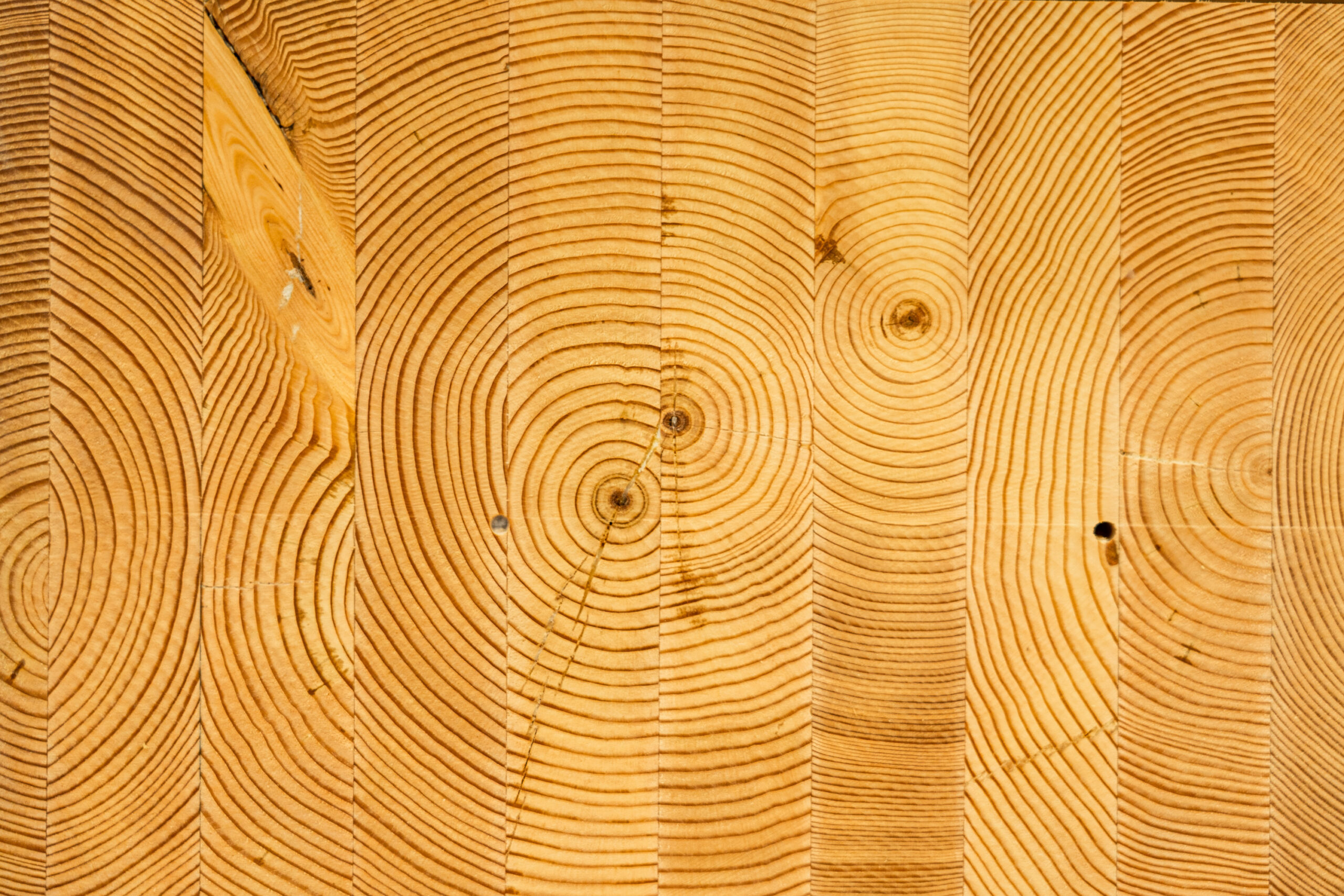
Kalesnikoff Mass Timber and K3 modular construction operations near Castlegar, British Columbia. Founded as a family-owned sawmill in 1940, Kalesnikoff has expanded into mass timber, modular components and finished building systems, investing about $65 million across major facilities in South Slocan and Castlegar. The site shows how a traditional forestry company can move up the value chain, supporting regional employment while producing engineered wood products that can contribute to faster construction and lower embodied carbon in some building applications.
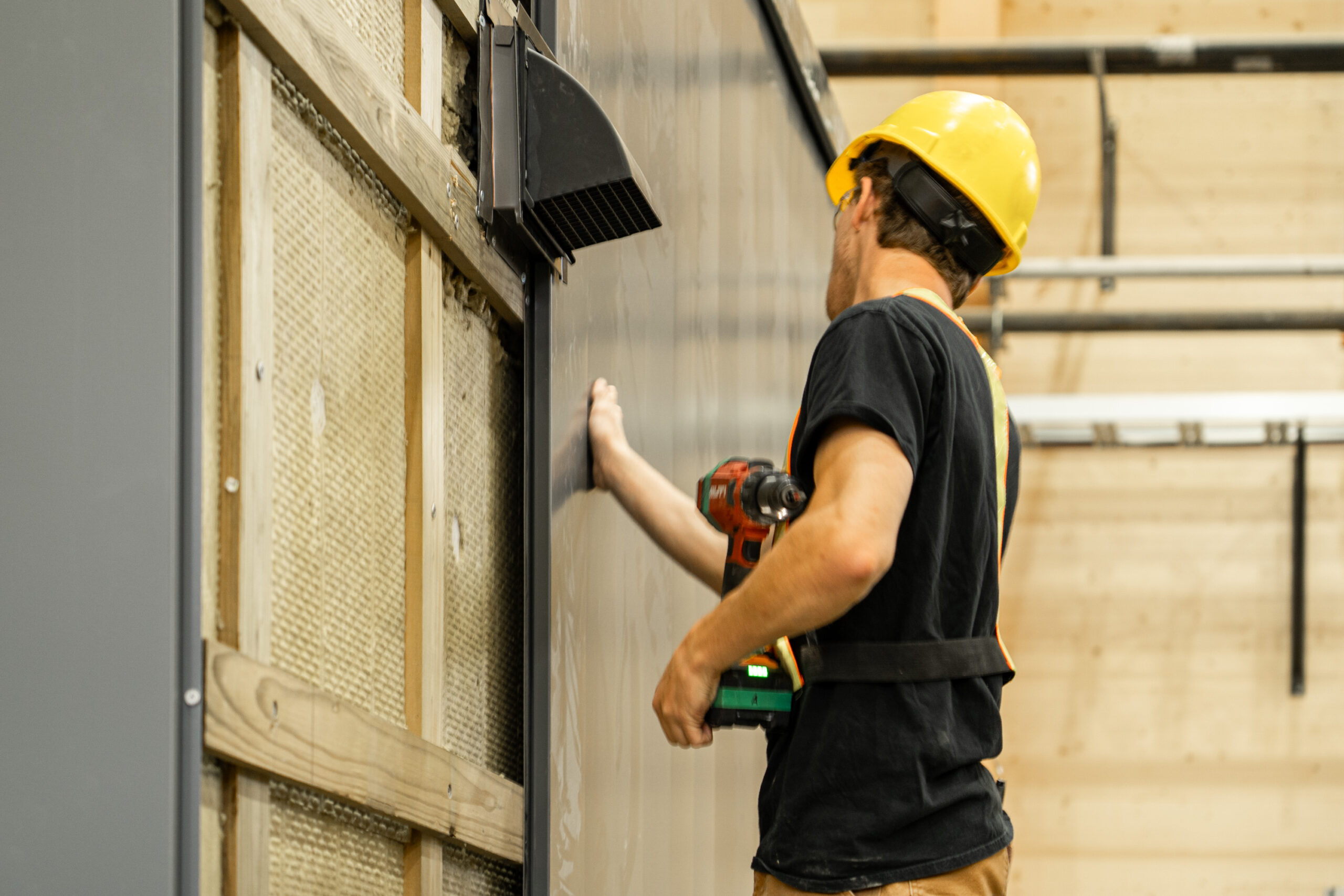
Kalesnikoff Mass Timber and K3 modular construction operations near Castlegar, British Columbia. Founded as a family-owned sawmill in 1940, Kalesnikoff has expanded into mass timber, modular components and finished building systems, investing about $65 million across major facilities in South Slocan and Castlegar. The site shows how a traditional forestry company can move up the value chain, supporting regional employment while producing engineered wood products that can contribute to faster construction and lower embodied carbon in some building applications.
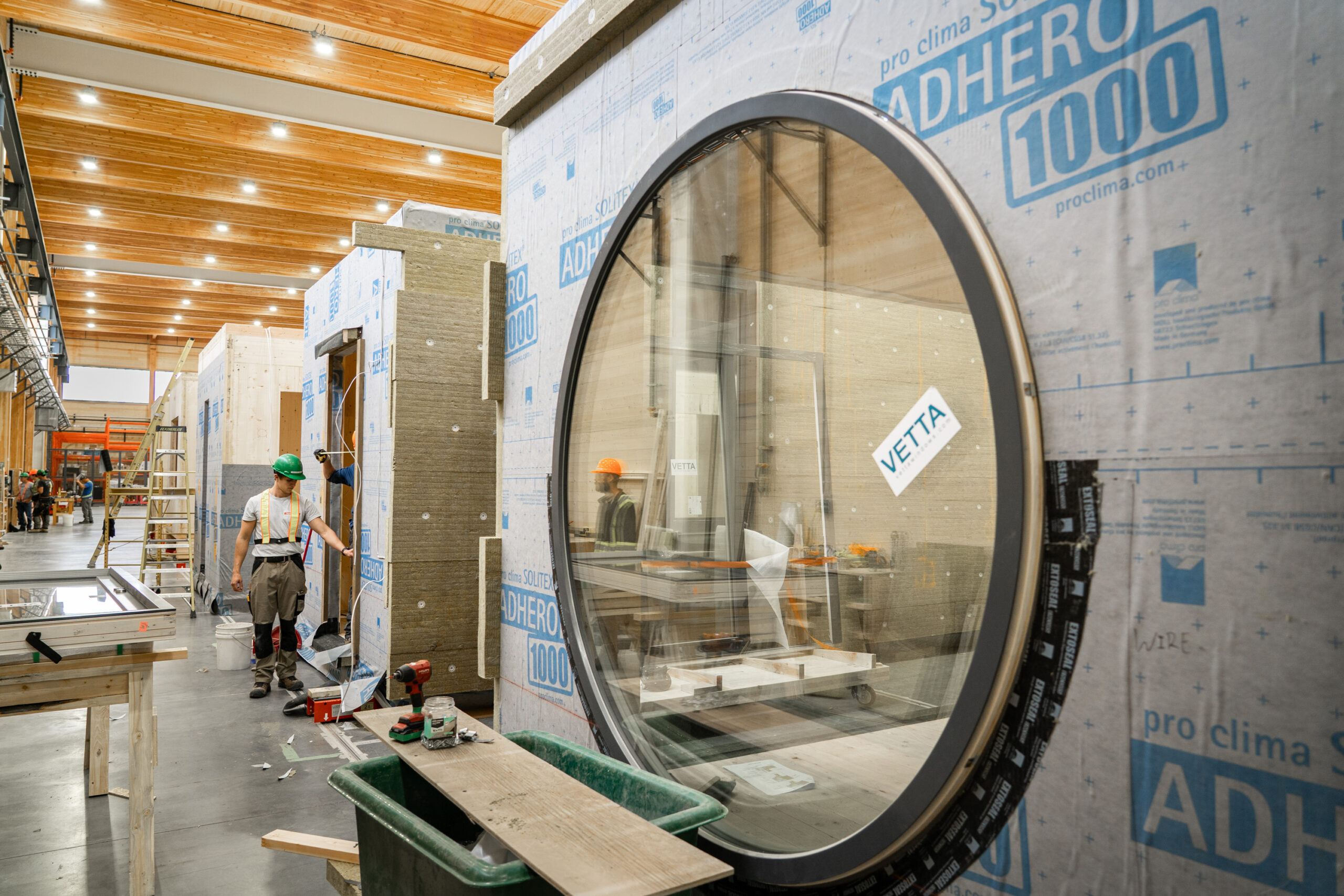
Kalesnikoff Mass Timber and K3 modular construction operations near Castlegar, British Columbia. Founded as a family-owned sawmill in 1940, Kalesnikoff has expanded into mass timber, modular components and finished building systems, investing about $65 million across major facilities in South Slocan and Castlegar. The site shows how a traditional forestry company can move up the value chain, supporting regional employment while producing engineered wood products that can contribute to faster construction and lower embodied carbon in some building applications.
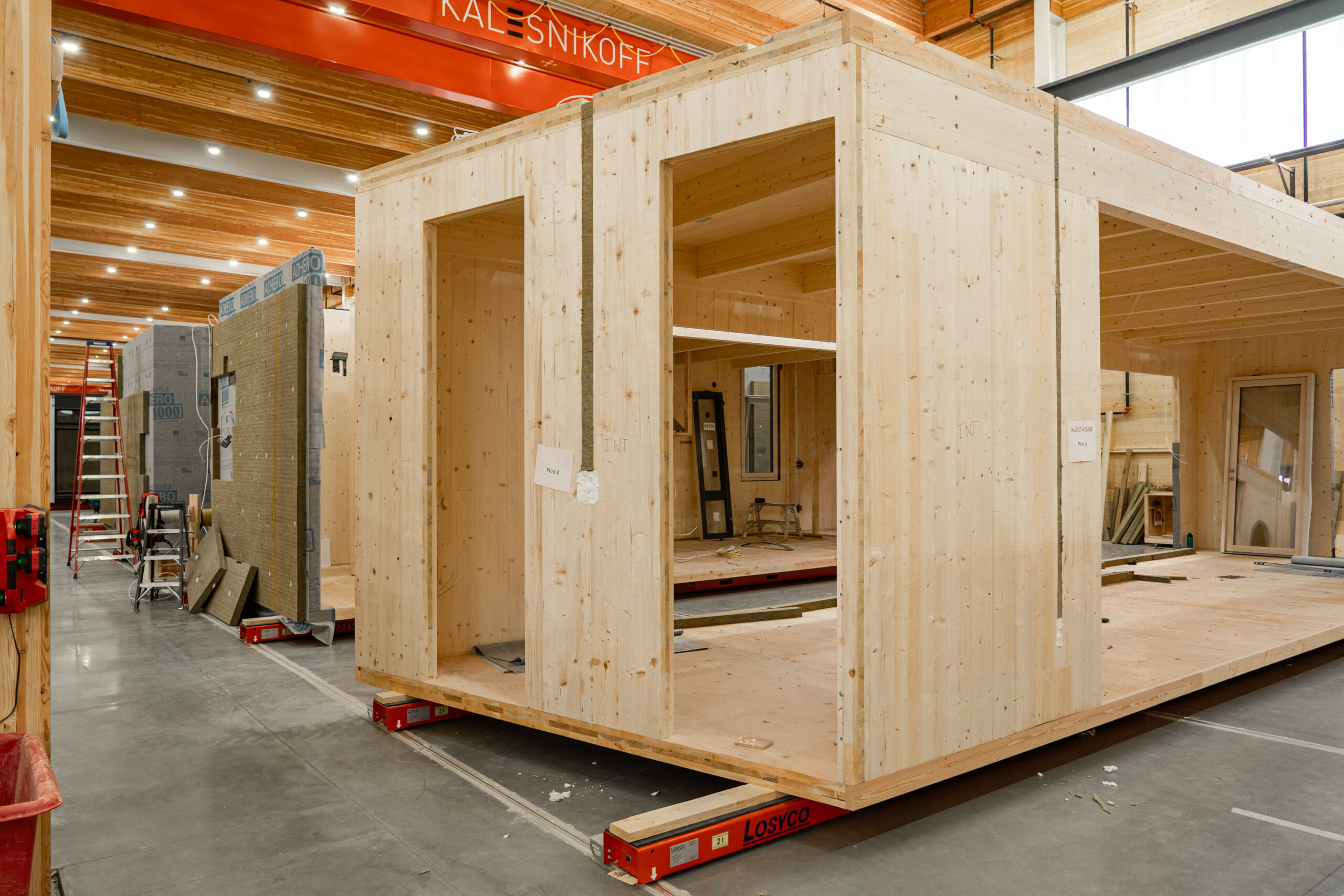
Kalesnikoff Mass Timber and K3 modular construction operations near Castlegar, British Columbia. Founded as a family-owned sawmill in 1940, Kalesnikoff has expanded into mass timber, modular components and finished building systems, investing about $65 million across major facilities in South Slocan and Castlegar. The site shows how a traditional forestry company can move up the value chain, supporting regional employment while producing engineered wood products that can contribute to faster construction and lower embodied carbon in some building applications.
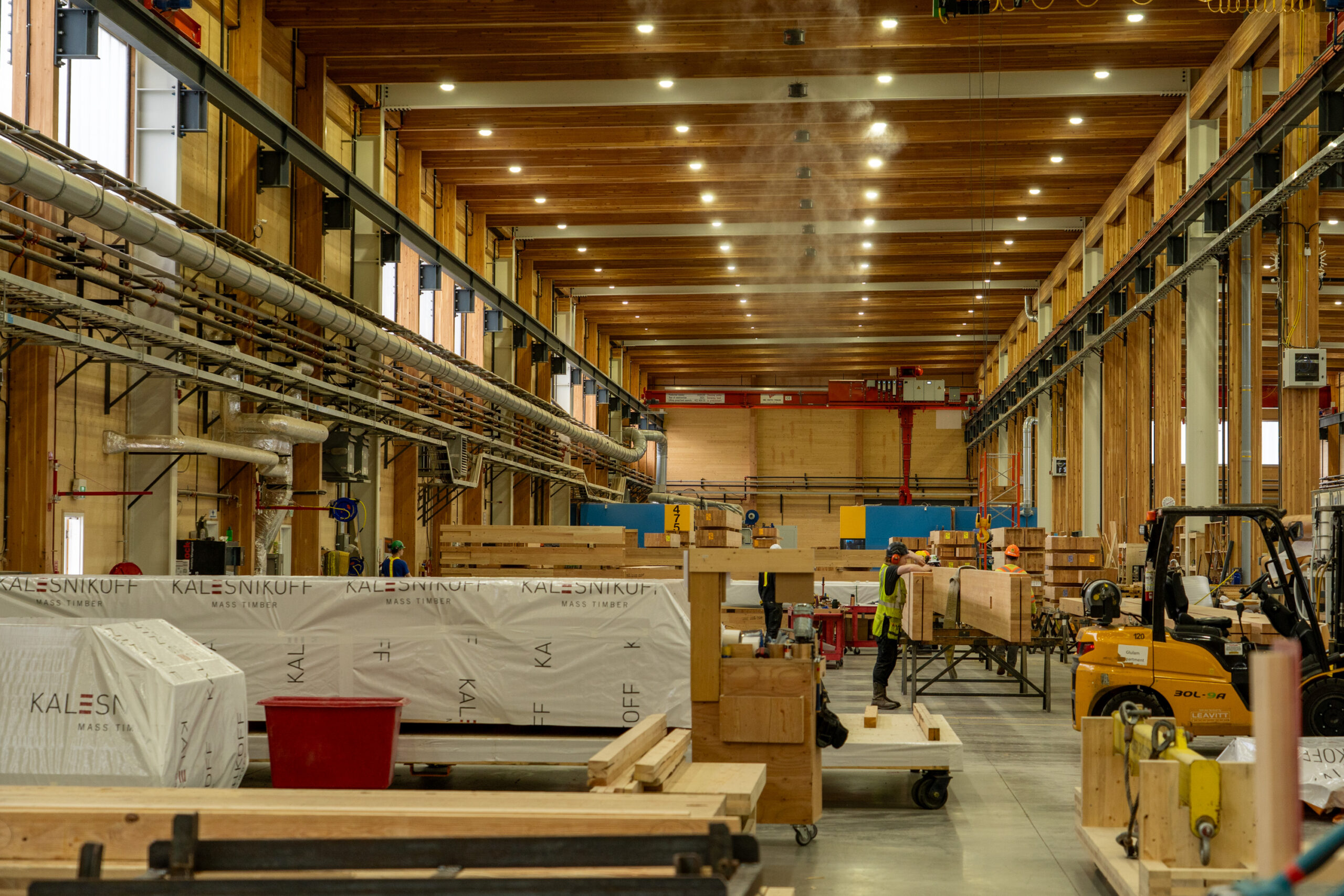
Kalesnikoff Mass Timber and K3 modular construction operations near Castlegar, British Columbia. Founded as a family-owned sawmill in 1940, Kalesnikoff has expanded into mass timber, modular components and finished building systems, investing about $65 million across major facilities in South Slocan and Castlegar. The site shows how a traditional forestry company can move up the value chain, supporting regional employment while producing engineered wood products that can contribute to faster construction and lower embodied carbon in some building applications.
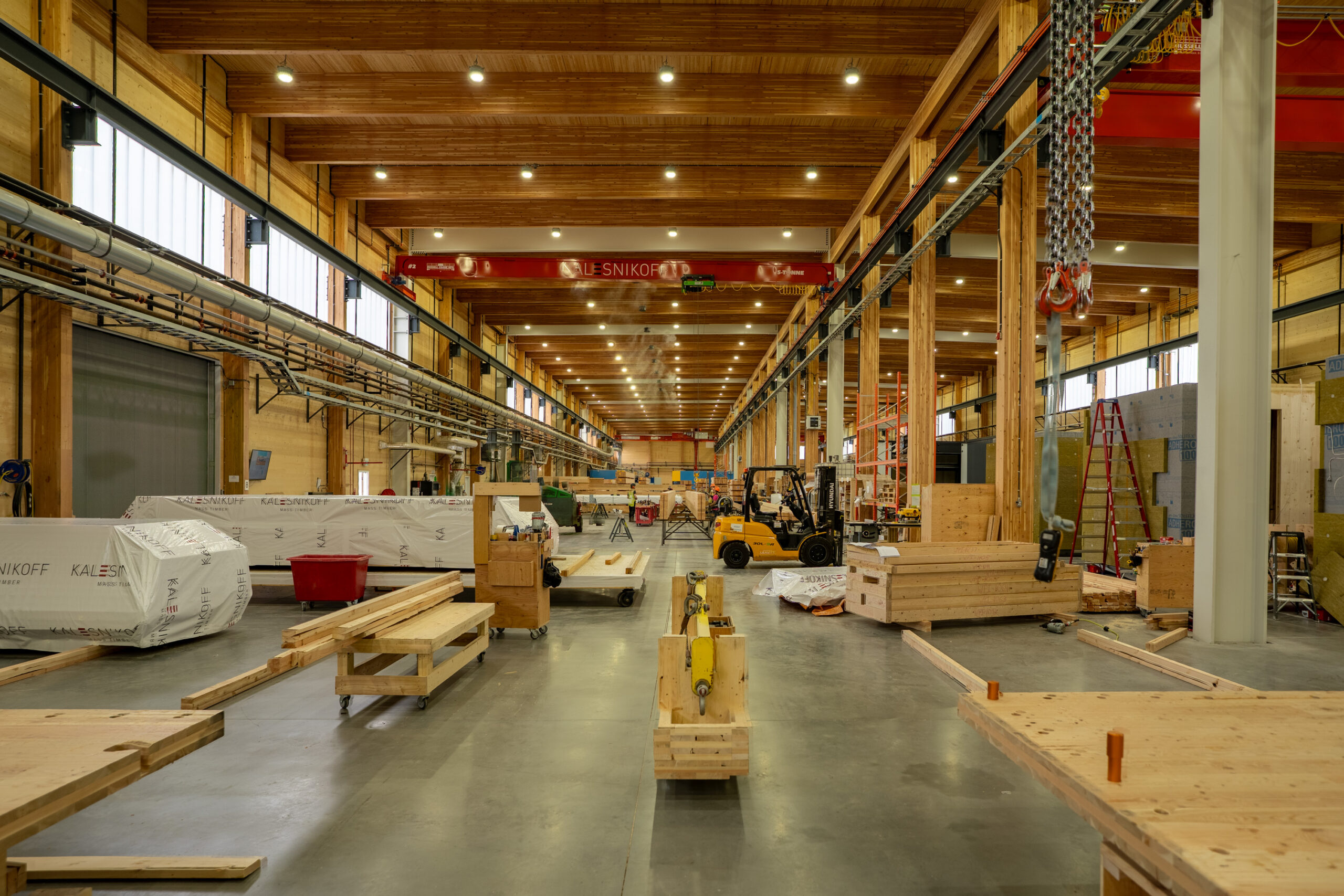
Kalesnikoff Mass Timber and K3 modular construction operations near Castlegar, British Columbia. Founded as a family-owned sawmill in 1940, Kalesnikoff has expanded into mass timber, modular components and finished building systems, investing about $65 million across major facilities in South Slocan and Castlegar. The site shows how a traditional forestry company can move up the value chain, supporting regional employment while producing engineered wood products that can contribute to faster construction and lower embodied carbon in some building applications.

Kalesnikoff Mass Timber and K3 modular construction operations near Castlegar, British Columbia. Founded as a family-owned sawmill in 1940, Kalesnikoff has expanded into mass timber, modular components and finished building systems, investing about $65 million across major facilities in South Slocan and Castlegar. The site shows how a traditional forestry company can move up the value chain, supporting regional employment while producing engineered wood products that can contribute to faster construction and lower embodied carbon in some building applications.
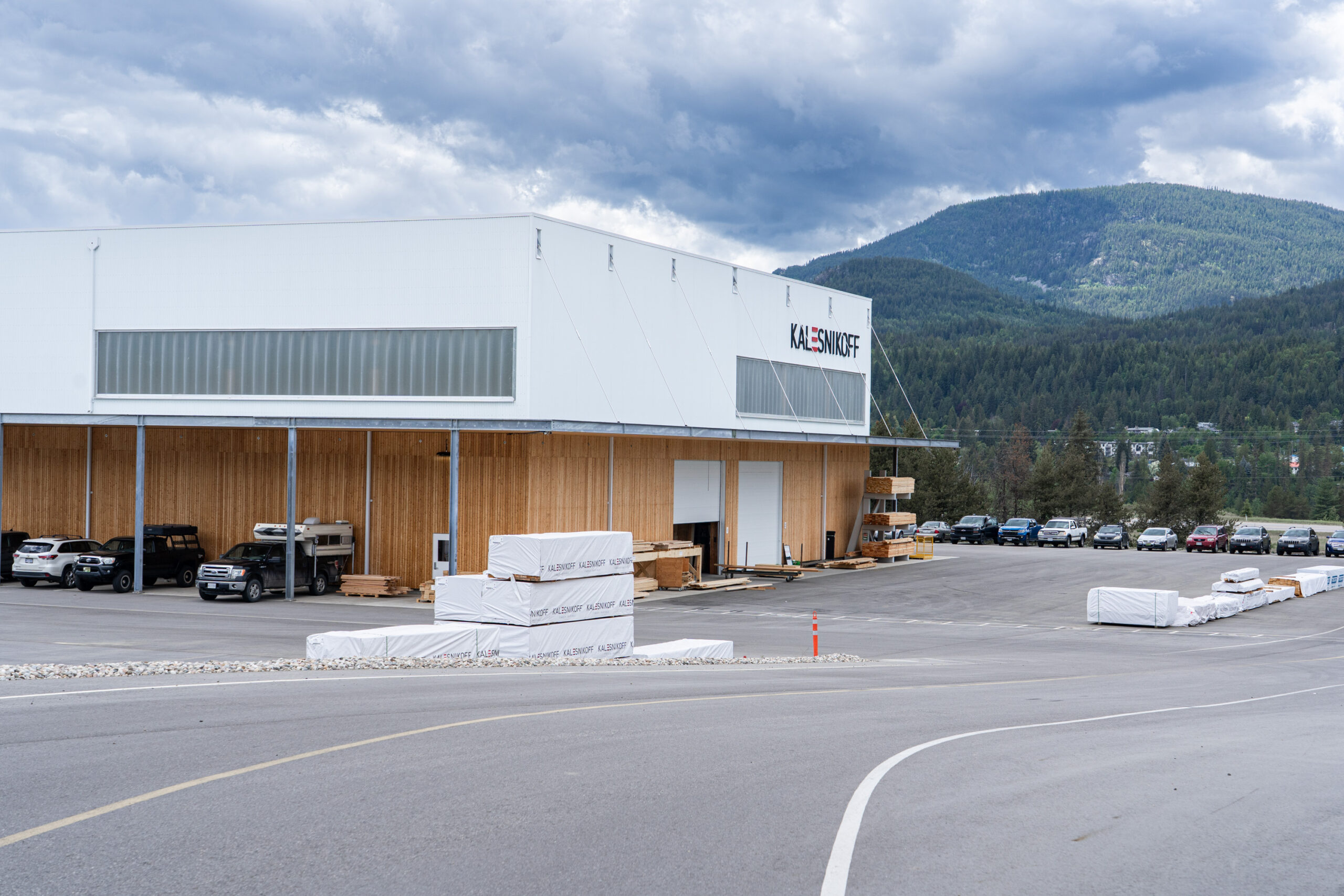
Kalesnikoff Mass Timber and K3 modular construction operations near Castlegar, British Columbia. Founded as a family-owned sawmill in 1940, Kalesnikoff has expanded into mass timber, modular components and finished building systems, investing about $65 million across major facilities in South Slocan and Castlegar. The site shows how a traditional forestry company can move up the value chain, supporting regional employment while producing engineered wood products that can contribute to faster construction and lower embodied carbon in some building applications.
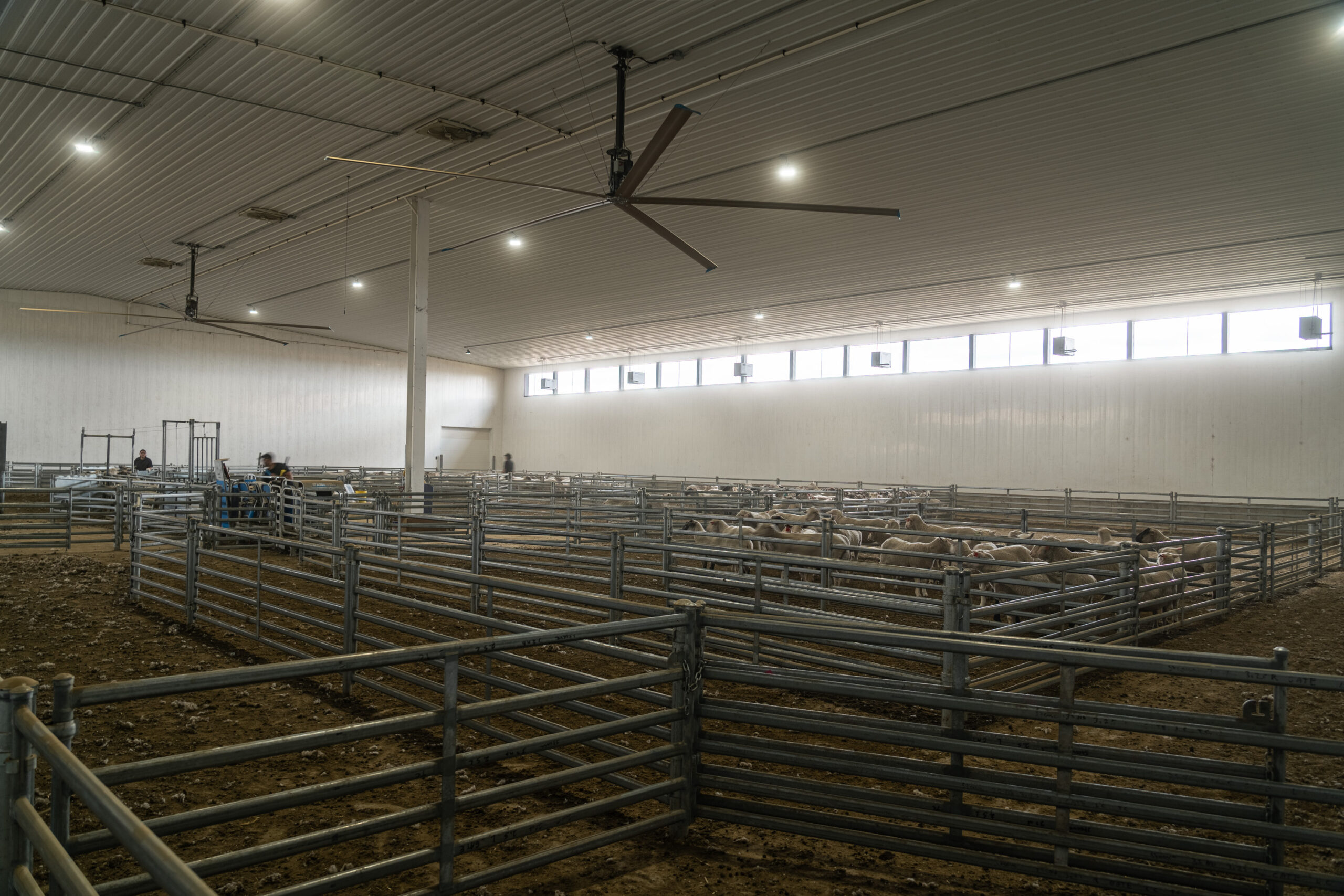
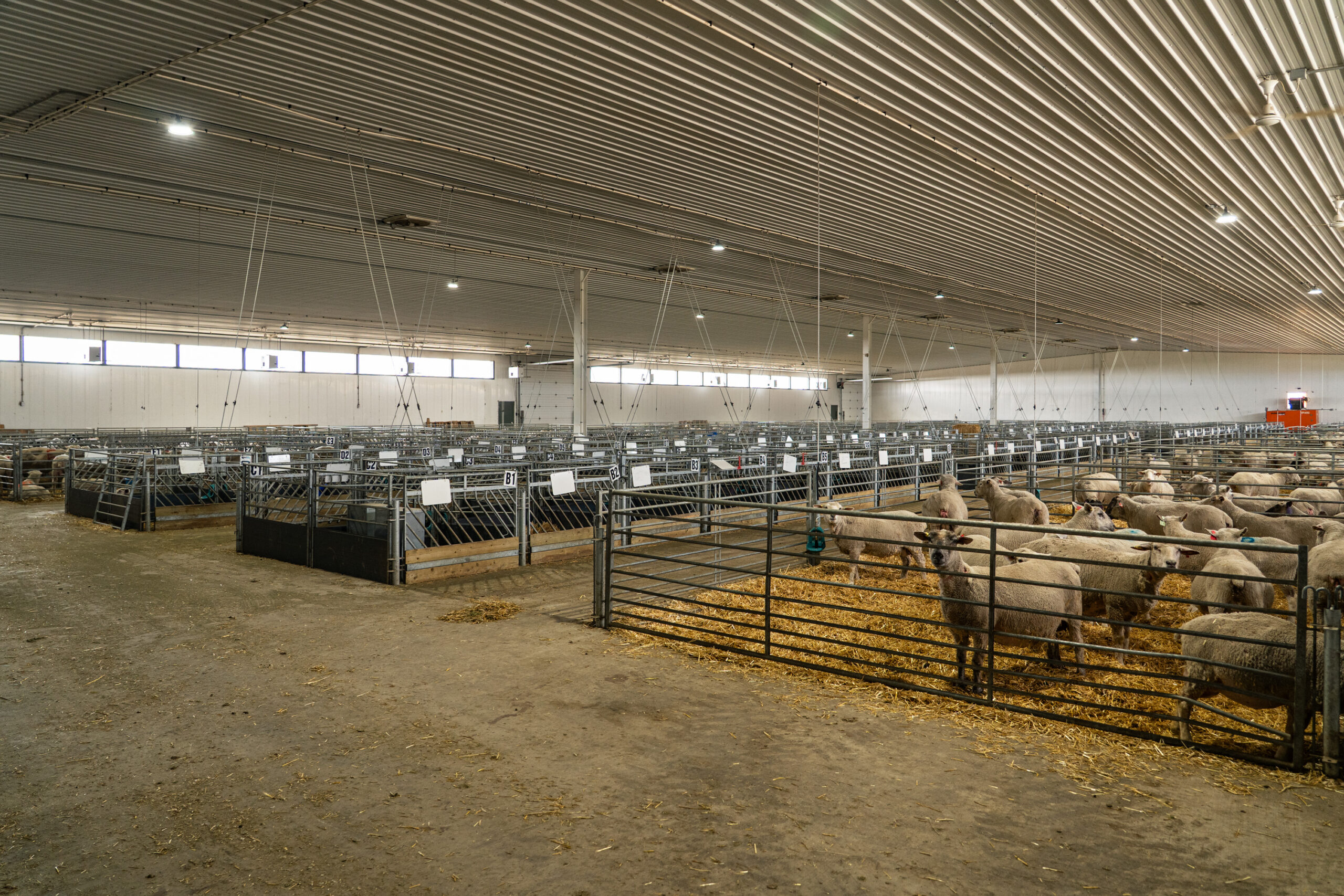
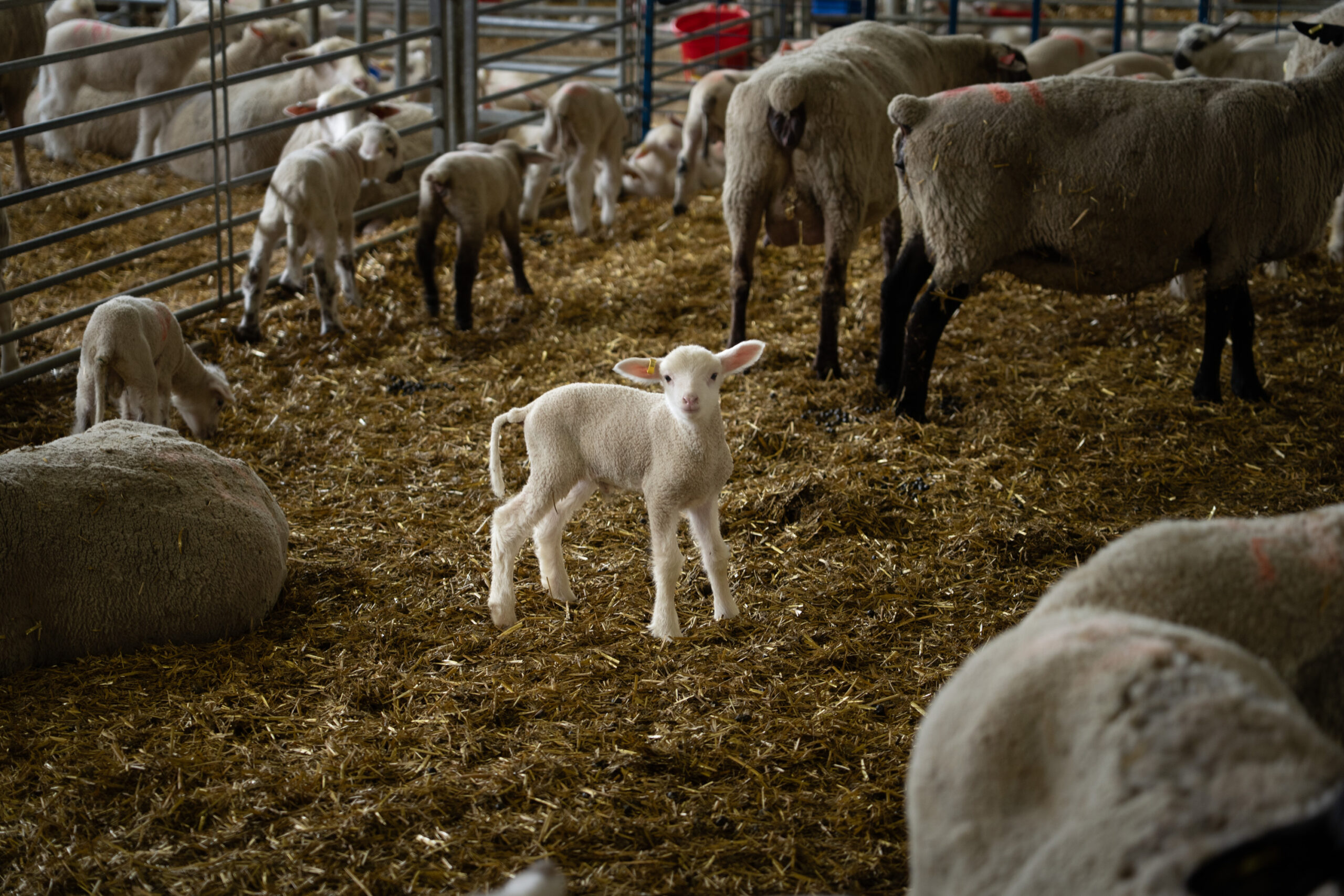
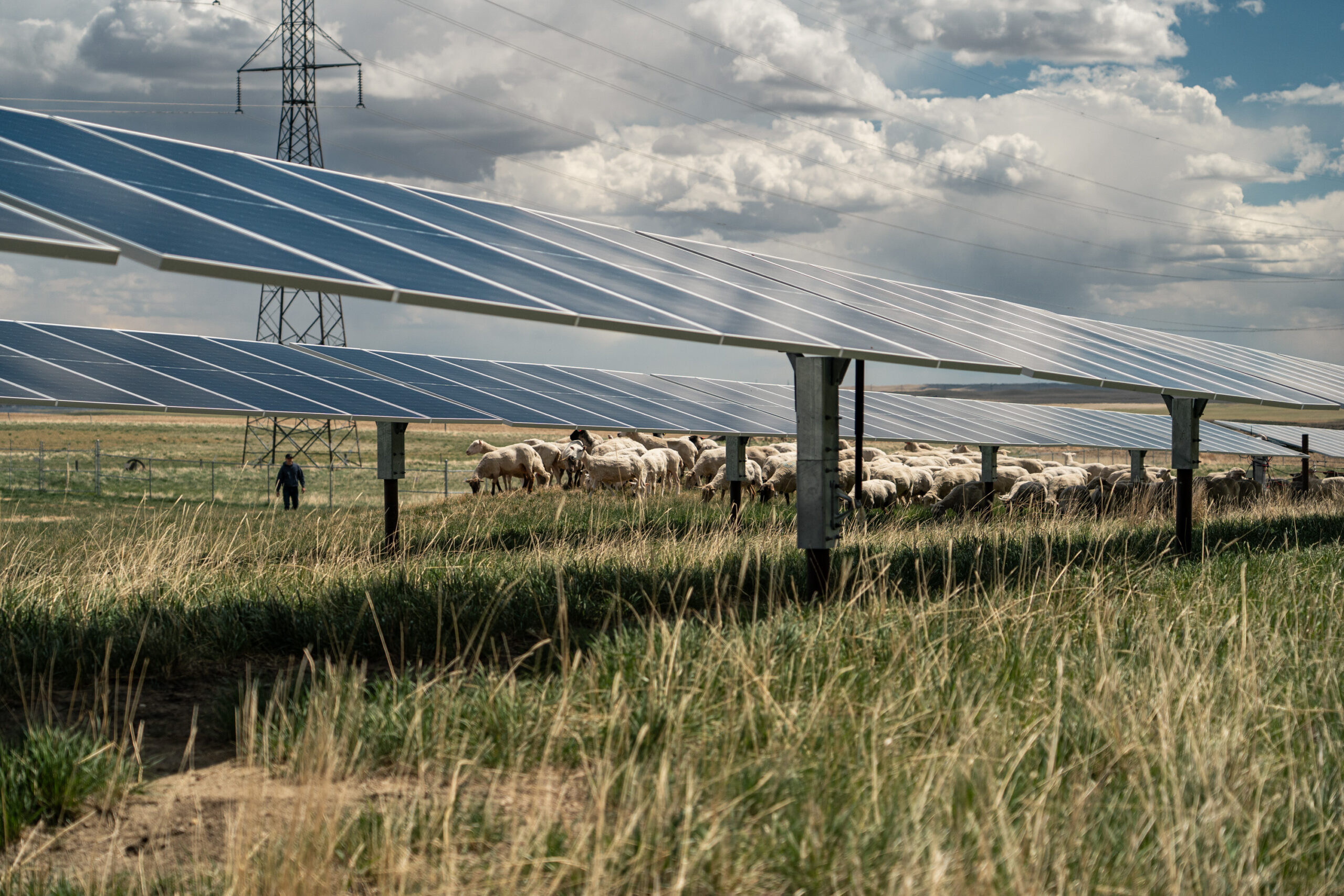
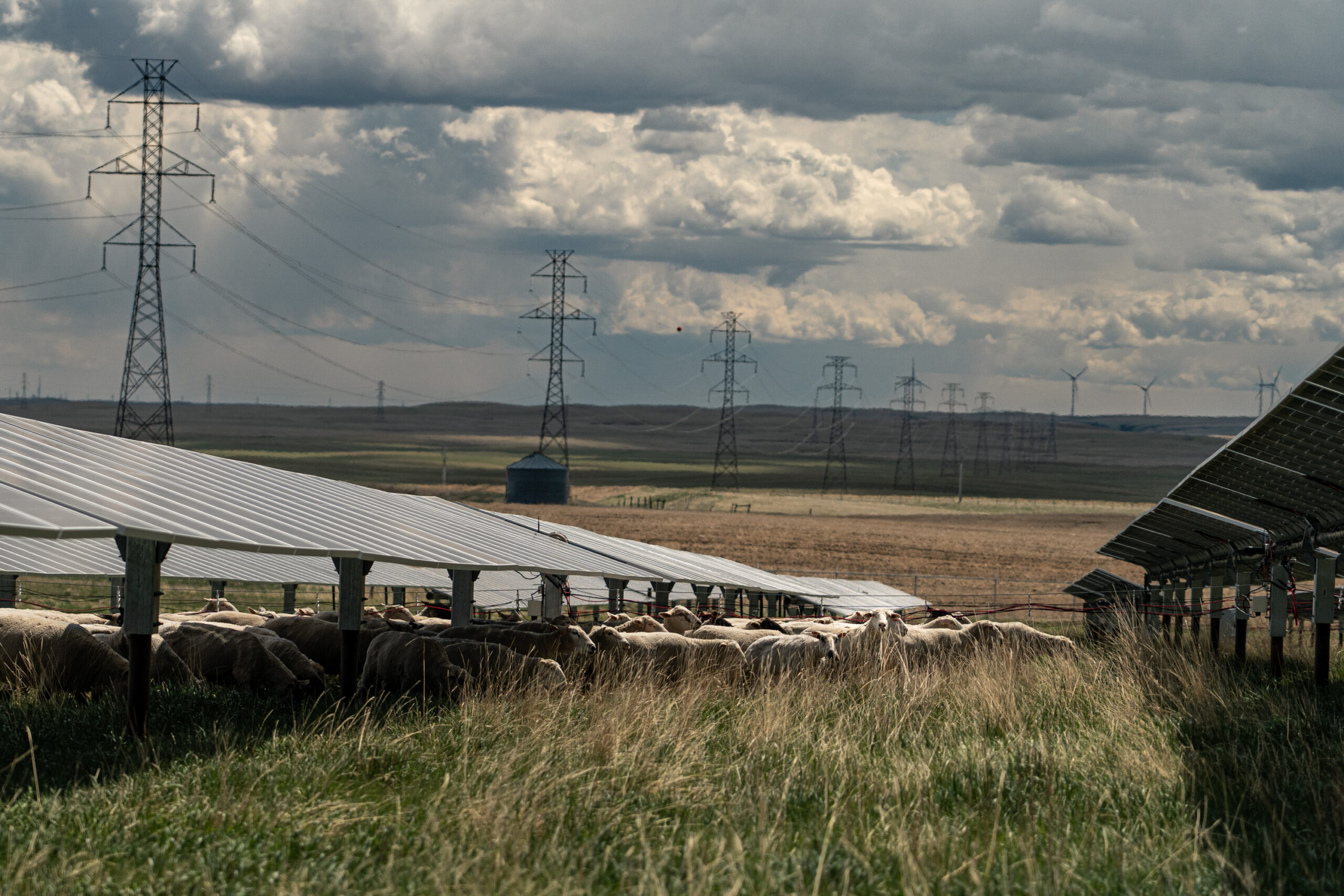
Travers Solar near Lomond, Alberta, is a 465 MW solar project covering roughly 3,300 acres in Vulcan County. Opened in 2022, the CAD 700 million project is backed by a 15-year Amazon agreement for 400 MW of output. More than 3,000 sheep graze beneath the panels, while CAD 700–900 per acre lease payments helped stabilize the Steeves family farm, Yetwood Farms.
Travers Solar near Lomond, Alberta, is a 465 MW solar project covering roughly 3,300 acres in Vulcan County. Opened in 2022, the CAD 700 million project is backed by a 15-year Amazon agreement for 400 MW of output. More than 3,000 sheep graze beneath the panels, while CAD 700–900 per acre lease payments helped stabilize the Steeves family farm, Yetwood Farms.
Travers Solar near Lomond, Alberta, is a 465 MW solar project covering roughly 3,300 acres in Vulcan County. Opened in 2022, the CAD 700 million project is backed by a 15-year Amazon agreement for 400 MW of output. More than 3,000 sheep graze beneath the panels, while CAD 700–900 per acre lease payments helped stabilize the Steeves family farm, Yetwood Farms.
Travers Solar near Lomond, Alberta, is a 465 MW solar project covering roughly 3,300 acres in Vulcan County. Opened in 2022, the CAD 700 million project is backed by a 15-year Amazon agreement for 400 MW of output. More than 3,000 sheep graze beneath the panels, while CAD 700–900 per acre lease payments helped stabilize the Steeves family farm, Yetwood Farms.
Travers Solar near Lomond, Alberta, is a 465 MW solar project covering roughly 3,300 acres in Vulcan County. Opened in 2022, the CAD 700 million project is backed by a 15-year Amazon agreement for 400 MW of output. More than 3,000 sheep graze beneath the panels, while CAD 700–900 per acre lease payments helped stabilize the Steeves family farm, Yetwood Farms.

Travers Solar near Lomond, Alberta, is a 465 MW solar project covering roughly 3,300 acres in Vulcan County. Opened in 2022, the CAD 700 million project is backed by a 15-year Amazon agreement for 400 MW of output. More than 3,000 sheep graze beneath the panels, while CAD 700–900 per acre lease payments helped stabilize the Steeves family farm, Yetwood Farms.
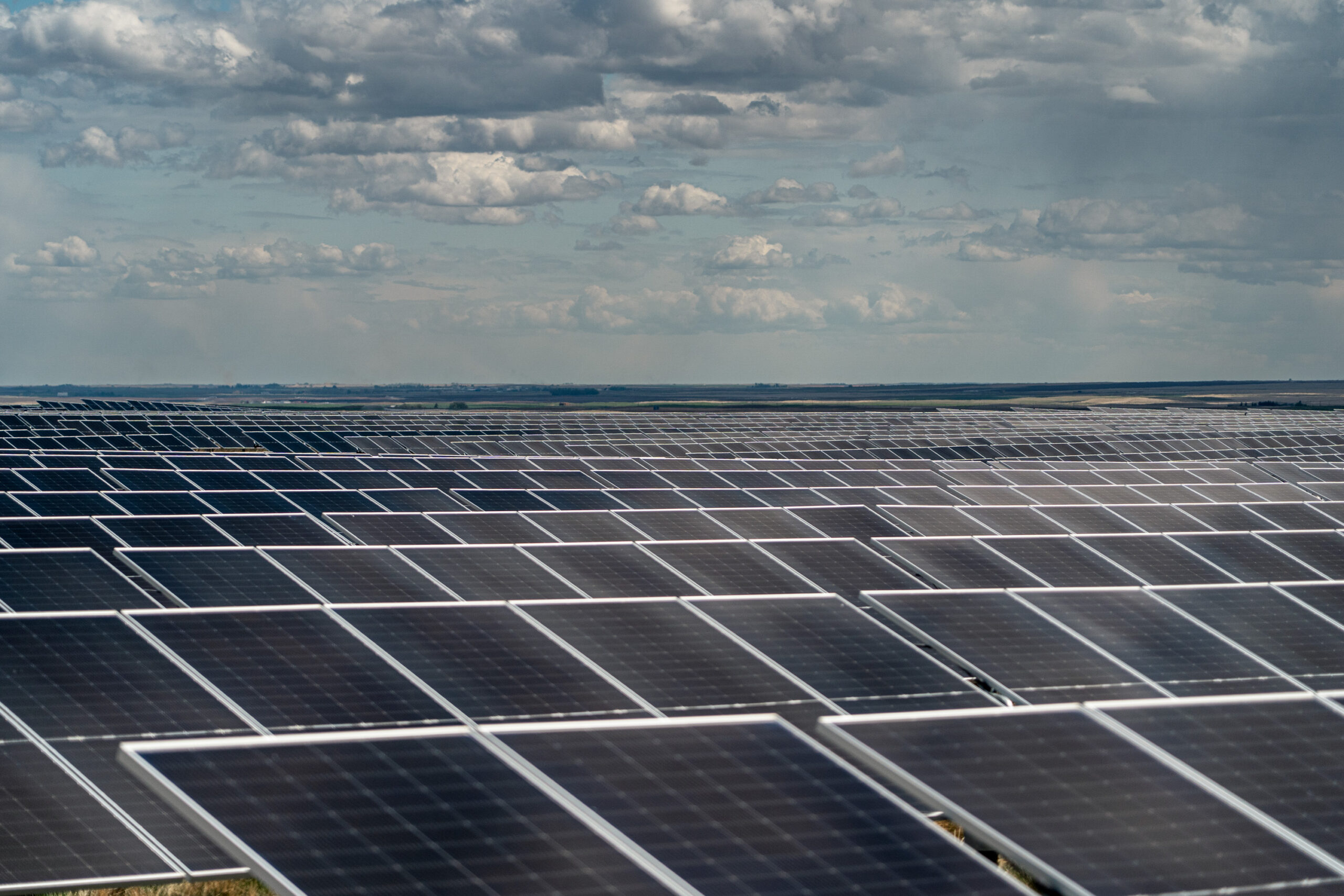
Travers Solar near Lomond, Alberta, is a 465 MW solar project covering roughly 3,300 acres in Vulcan County. Opened in 2022, the CAD 700 million project is backed by a 15-year Amazon agreement for 400 MW of output. More than 3,000 sheep graze beneath the panels, while CAD 700–900 per acre lease payments helped stabilize the Steeves family farm, Yetwood Farms.
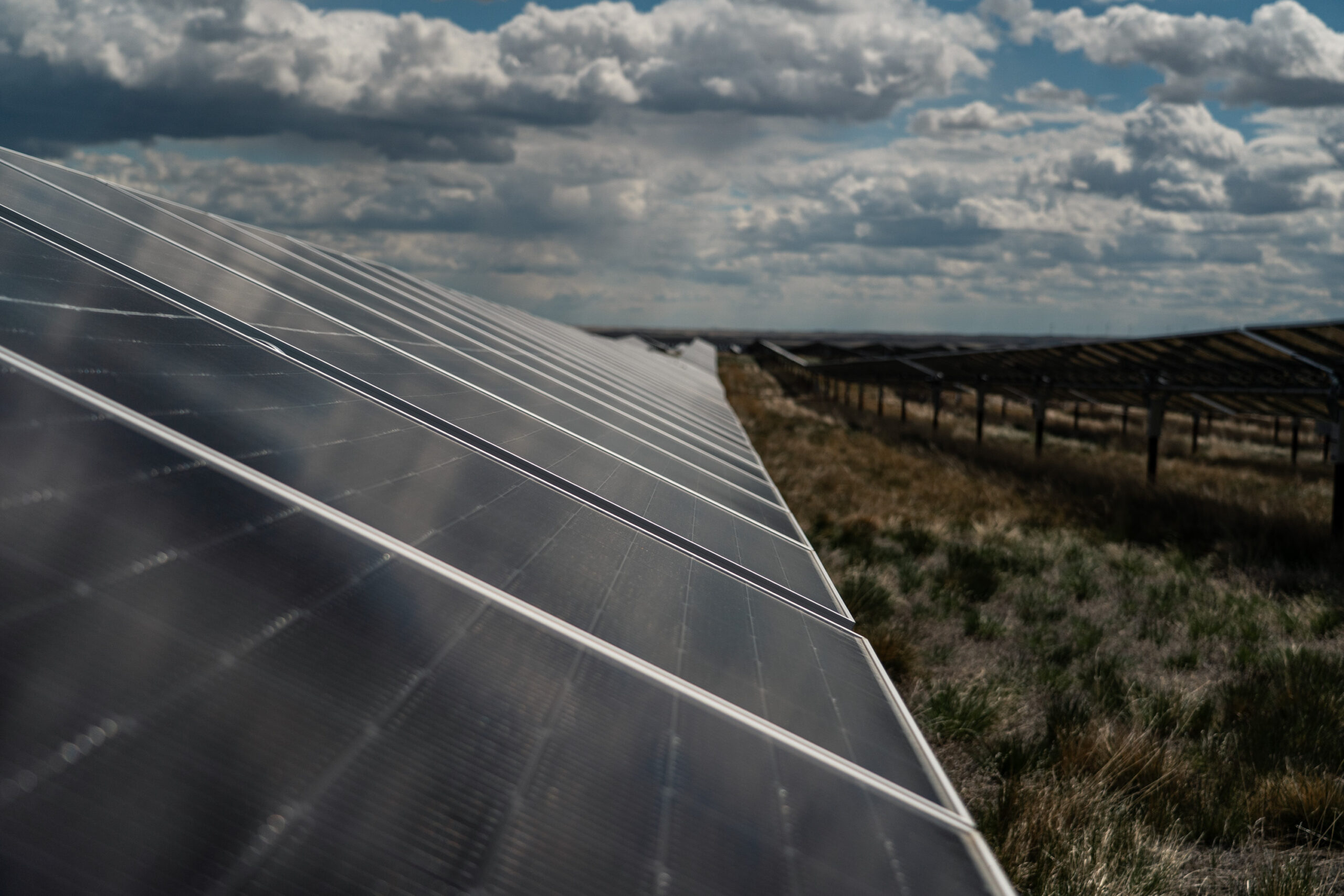
Travers Solar near Lomond, Alberta, is a 465 MW solar project covering roughly 3,300 acres in Vulcan County. Opened in 2022, the CAD 700 million project is backed by a 15-year Amazon agreement for 400 MW of output. More than 3,000 sheep graze beneath the panels, while CAD 700–900 per acre lease payments helped stabilize the Steeves family farm, Yetwood Farms.
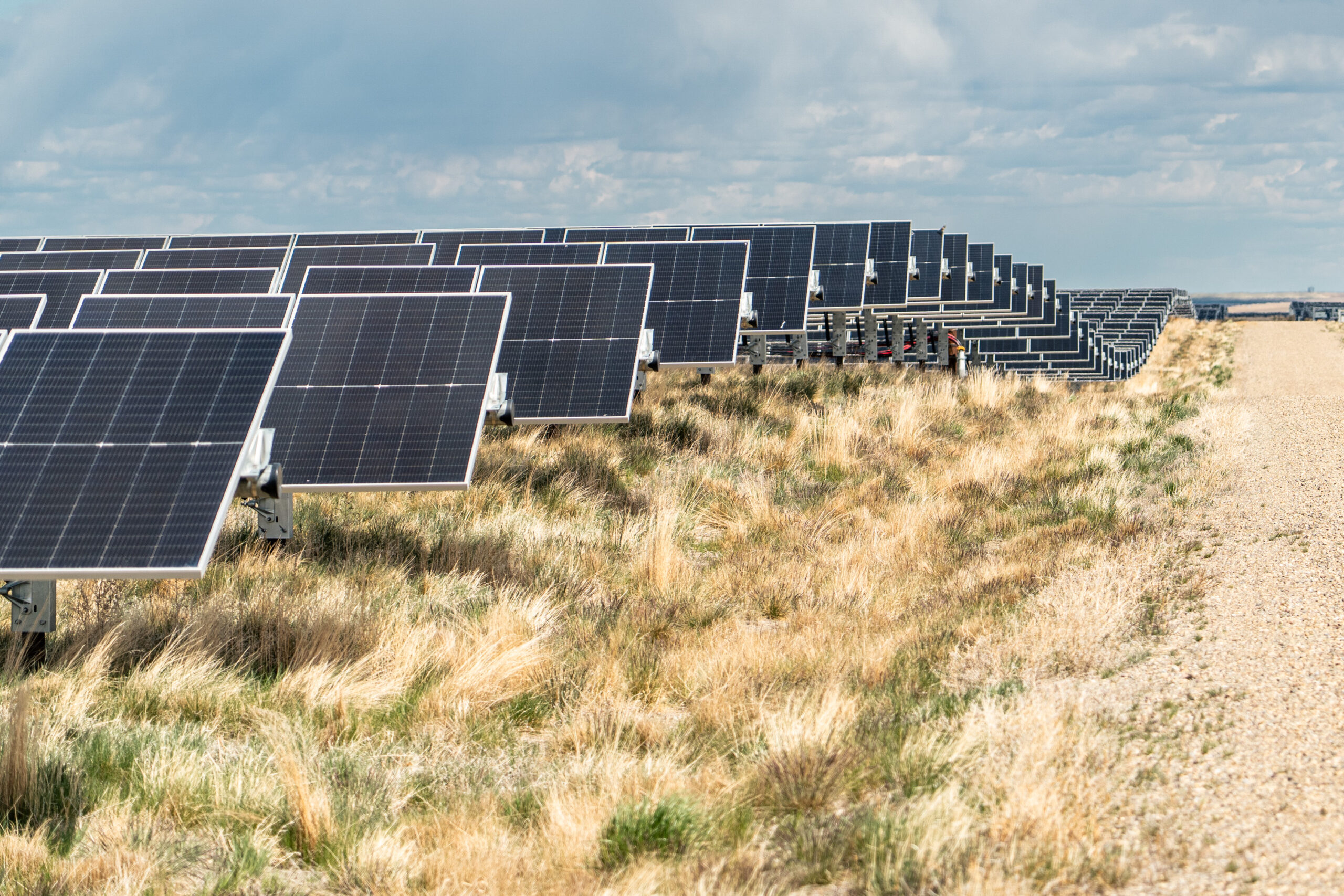
Travers Solar near Lomond, Alberta, is a 465 MW solar project covering roughly 3,300 acres in Vulcan County. Opened in 2022, the CAD 700 million project is backed by a 15-year Amazon agreement for 400 MW of output. More than 3,000 sheep graze beneath the panels, while CAD 700–900 per acre lease payments helped stabilize the Steeves family farm, Yetwood Farms.
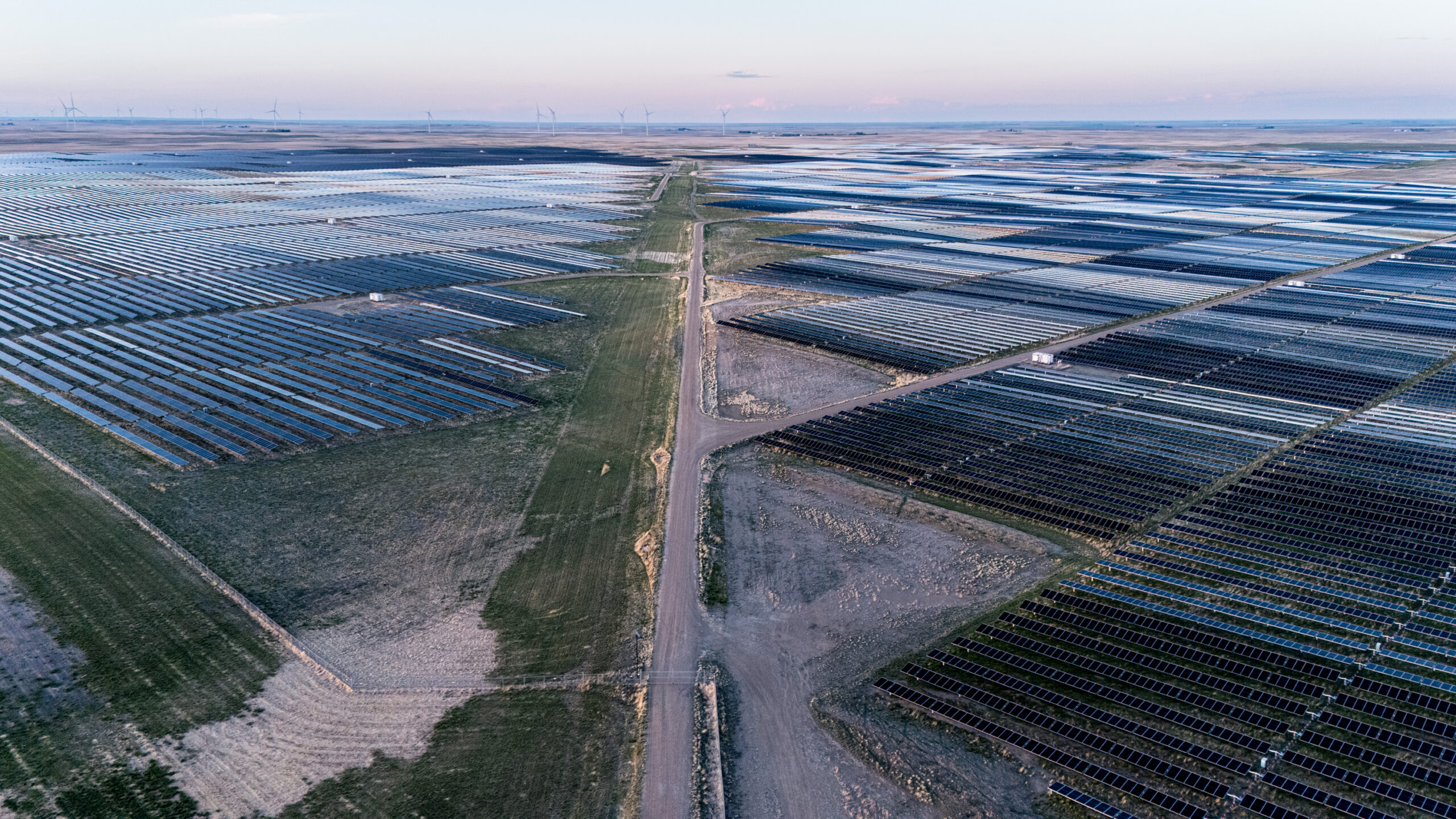
Travers Solar near Lomond, Alberta, is a 465 MW solar project covering roughly 3,300 acres in Vulcan County. Opened in 2022, the CAD 700 million project is backed by a 15-year Amazon agreement for 400 MW of output. More than 3,000 sheep graze beneath the panels, while CAD 700–900 per acre lease payments helped stabilize the Steeves family farm, Yetwood Farms.

Travers Solar near Lomond, Alberta, is a 465 MW solar project covering roughly 3,300 acres in Vulcan County. Opened in 2022, the CAD 700 million project is backed by a 15-year Amazon agreement for 400 MW of output. More than 3,000 sheep graze beneath the panels, while CAD 700–900 per acre lease payments helped stabilize the Steeves family farm, Yetwood Farms.

Travers Solar near Lomond, Alberta, is a 465 MW solar project covering roughly 3,300 acres in Vulcan County. Opened in 2022, the CAD 700 million project is backed by a 15-year Amazon agreement for 400 MW of output. More than 3,000 sheep graze beneath the panels, while CAD 700–900 per acre lease payments helped stabilize the Steeves family farm, Yetwood Farms.
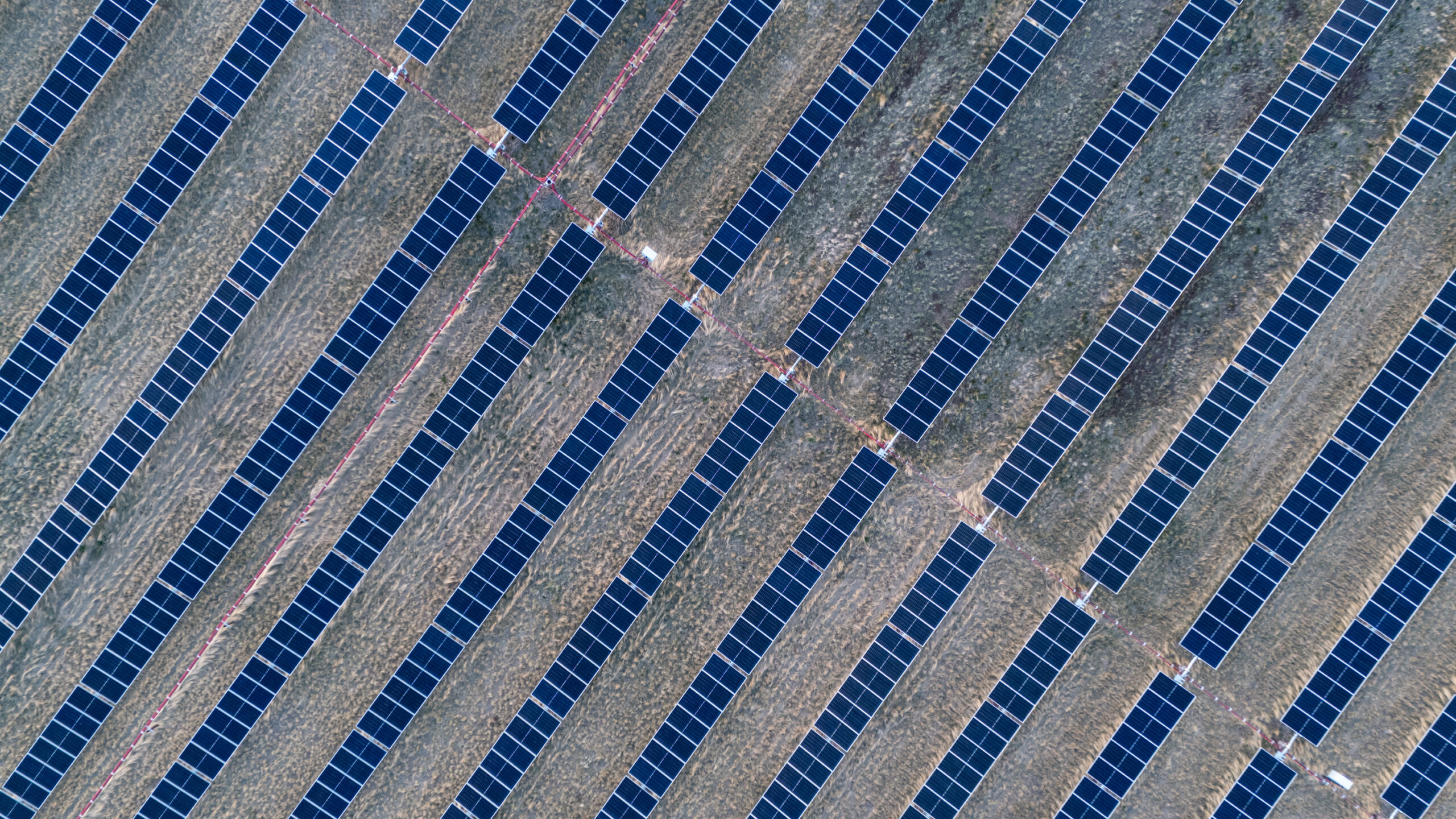
Travers Solar near Lomond, Alberta, is a 465 MW solar project covering roughly 3,300 acres in Vulcan County. Opened in 2022, the CAD 700 million project is backed by a 15-year Amazon agreement for 400 MW of output. More than 3,000 sheep graze beneath the panels, while CAD 700–900 per acre lease payments helped stabilize the Steeves family farm, Yetwood Farms.
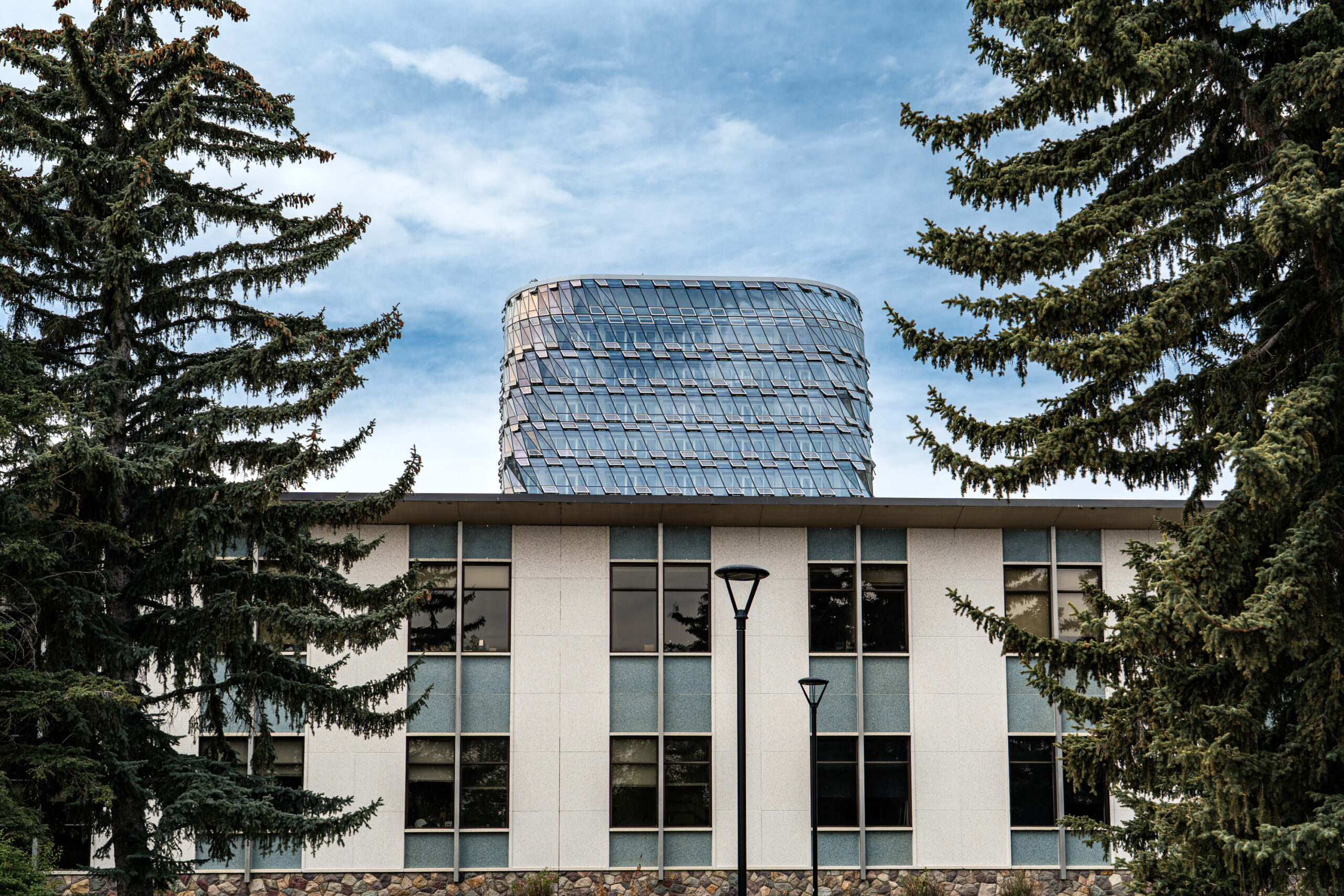
MacKimmie Complex at the University of Calgary in Calgary, Alberta. Completed in 2022 and designed by DIALOG, the redevelopment transformed the former MacKimmie Tower and Block into a 33,000-square-metre high-performance academic and administrative complex. The project achieved LEED Platinum certification and Canada Green Building Council Zero Carbon Building certification, using a dynamic double-skin façade with automated windows and shades, passive ventilation, thermal mass, heat recovery, solar exposure and on-site solar PV.. With 80% less energy than the former MacKimmie, more than 600 MWh/year of solar generation, and 2,800 tonnes of avoided CO₂ from reusing the existing tower structure.
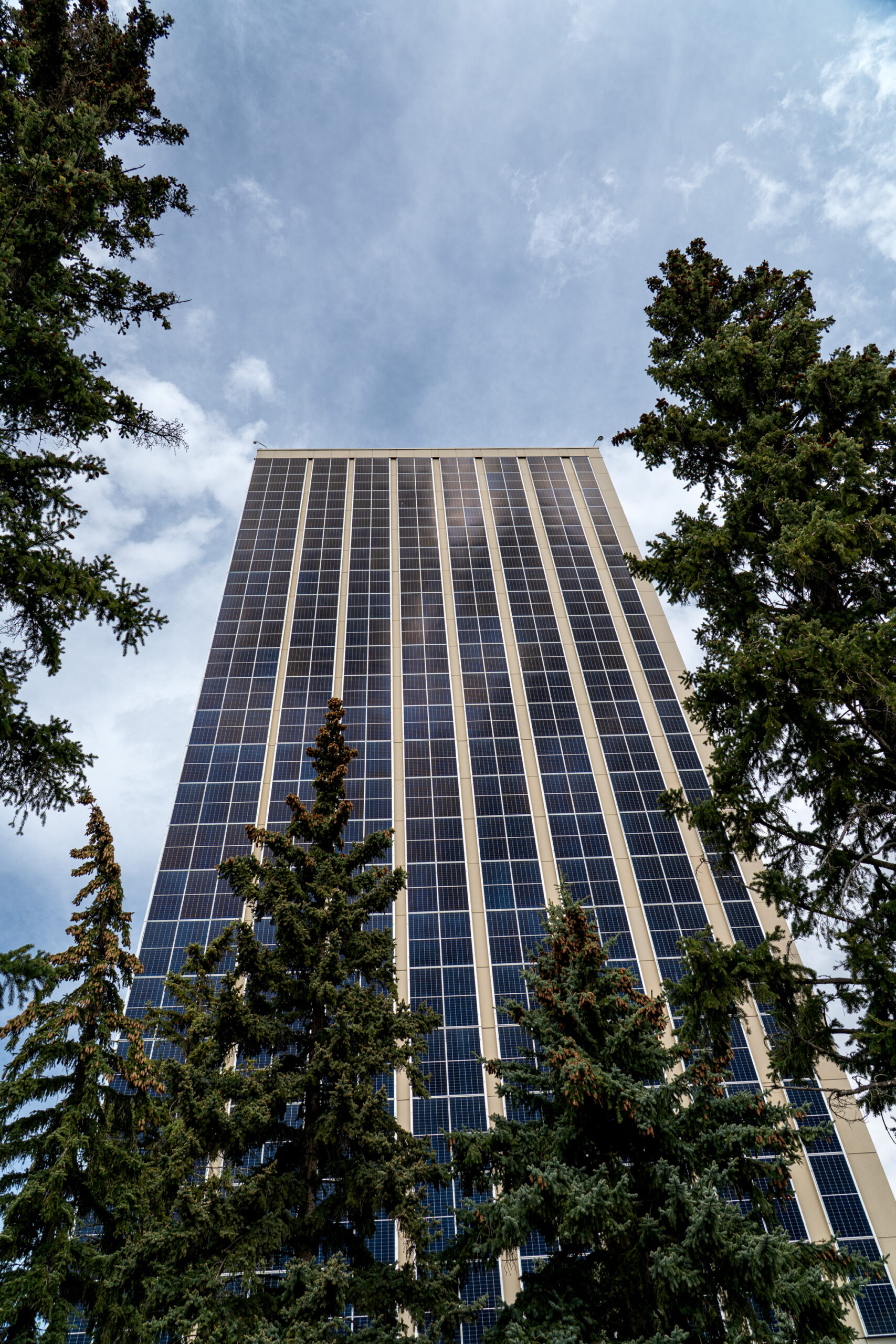
Social Sciences Building at the University of Calgary in Calgary, Alberta. Opened in 1969 as part of the university’s early campus expansion, the tower is now an example of how older academic buildings are being renewed as part of campus decarbonization. In 2023, UCalgary completed the installation of 1,100 square metres of solar photovoltaic panels on the building’s south façade, creating a 225-kilowatt system expected to cover about 90% of the building’s electrical load. The project formed part of a broader recladding effort to replace aging precast concrete panels, improve the building envelope and extend the useful life of a major mid-century campus building. It is part of the clean energy buildout because it shows that emissions reductions on large campuses depend not only on new high-performance buildings, but also on practical retrofits to the existing building stock that still shapes daily energy use.
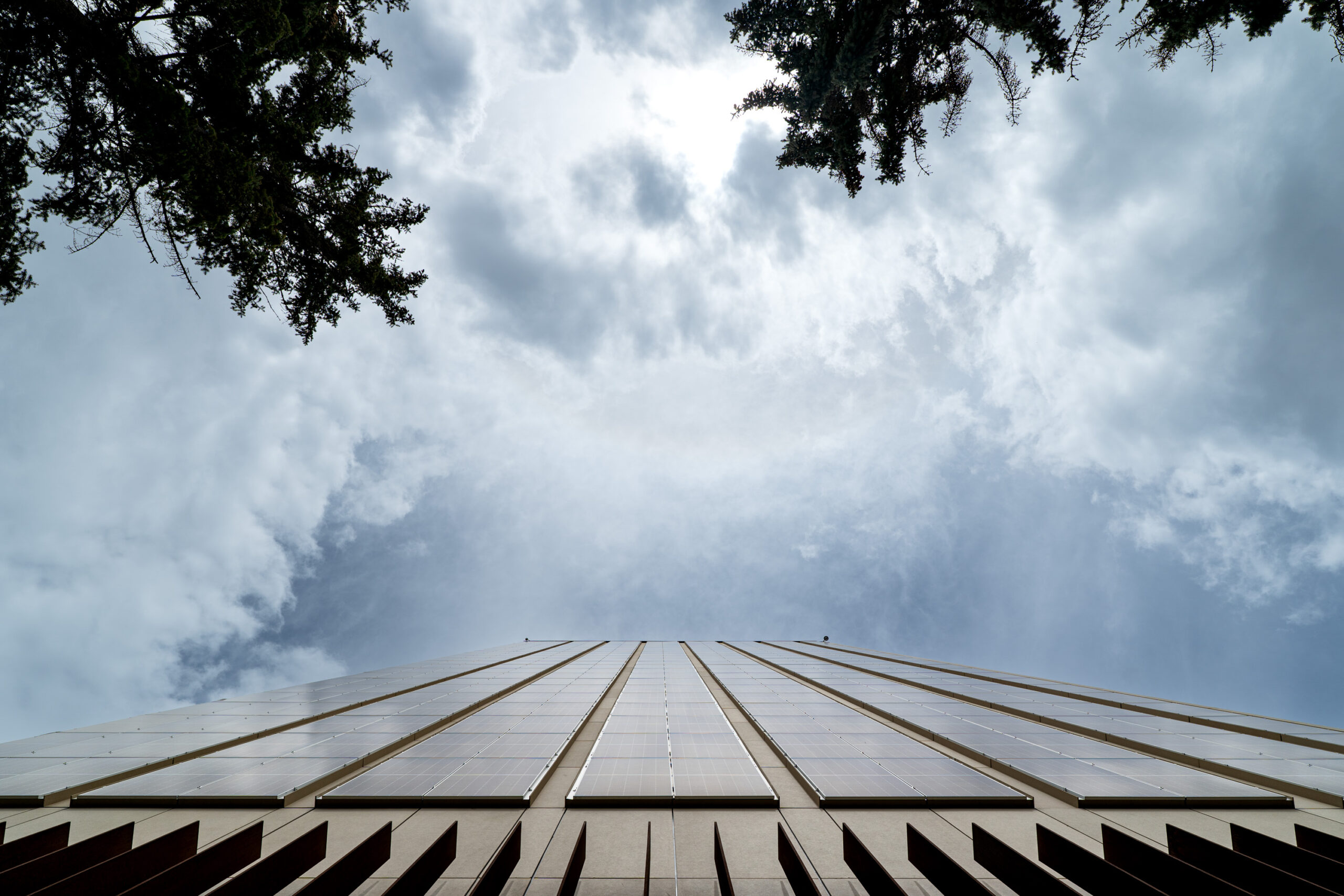
Social Sciences Building at the University of Calgary in Calgary, Alberta. Opened in 1969 as part of the university’s early campus expansion, the tower is now an example of how older academic buildings are being renewed as part of campus decarbonization. In 2023, UCalgary completed the installation of 1,100 square metres of solar photovoltaic panels on the building’s south façade, creating a 225-kilowatt system expected to cover about 90% of the building’s electrical load. The project formed part of a broader recladding effort to replace aging precast concrete panels, improve the building envelope and extend the useful life of a major mid-century campus building. It is part of the clean energy buildout because it shows that emissions reductions on large campuses depend not only on new high-performance buildings, but also on practical retrofits to the existing building stock that still shapes daily energy use.
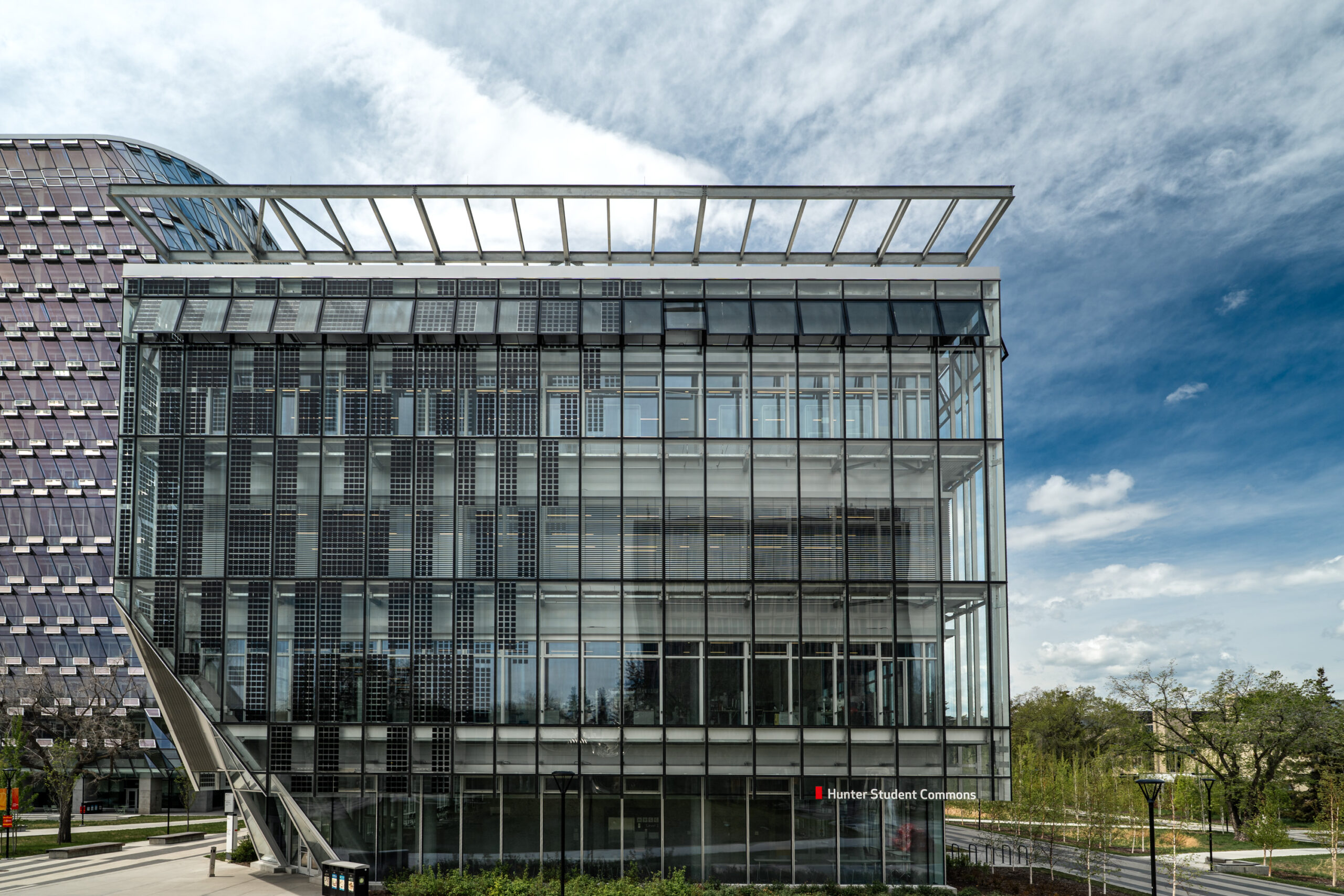
MacKimmie Complex at the University of Calgary in Calgary, Alberta. Completed in 2022 and designed by DIALOG, the redevelopment transformed the former MacKimmie Tower and Block into a 33,000-square-metre high-performance academic and administrative complex. The project achieved LEED Platinum certification and Canada Green Building Council Zero Carbon Building certification, using a dynamic double-skin façade with automated windows and shades, passive ventilation, thermal mass, heat recovery, solar exposure and on-site solar PV.. With 80% less energy than the former MacKimmie, more than 600 MWh/year of solar generation, and 2,800 tonnes of avoided CO₂ from reusing the existing tower structure.
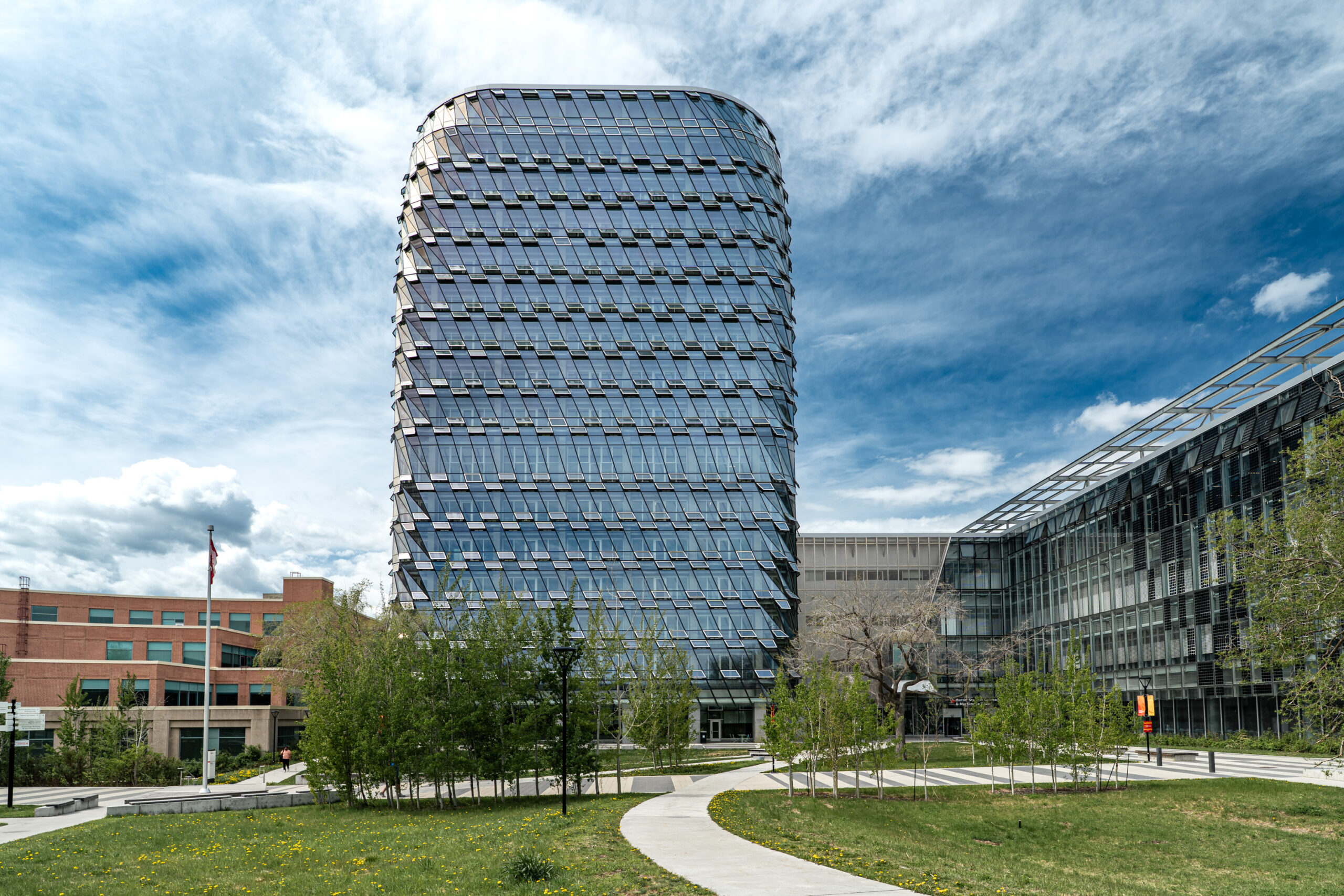
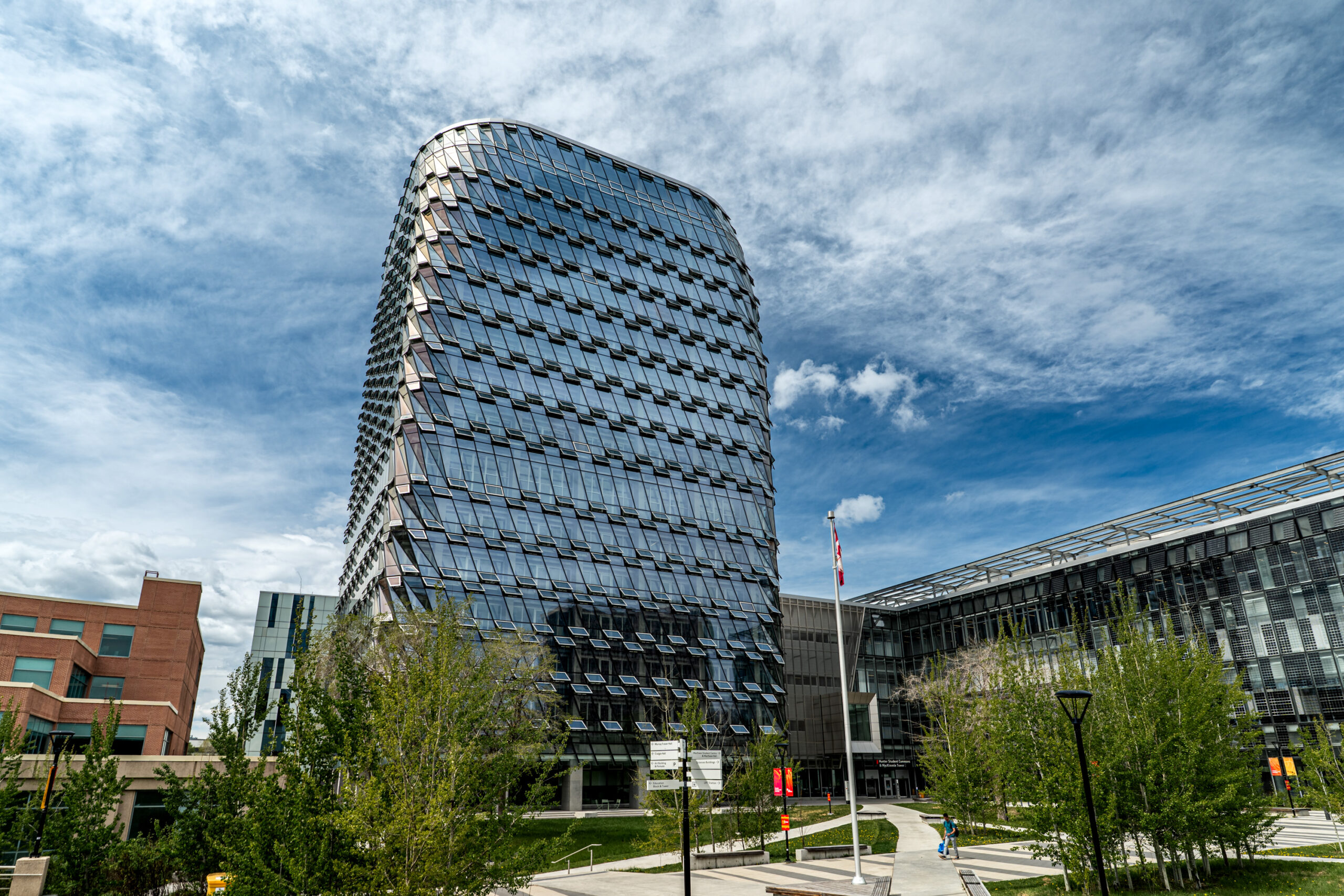
MacKimmie Complex at the University of Calgary in Calgary, Alberta. Completed in 2022 and designed by DIALOG, the redevelopment transformed the former MacKimmie Tower and Block into a 33,000-square-metre high-performance academic and administrative complex. The project achieved LEED Platinum certification and Canada Green Building Council Zero Carbon Building certification, using a dynamic double-skin façade with automated windows and shades, passive ventilation, thermal mass, heat recovery, solar exposure and on-site solar PV.. With 80% less energy than the former MacKimmie, more than 600 MWh/year of solar generation, and 2,800 tonnes of avoided CO₂ from reusing the existing tower structure.
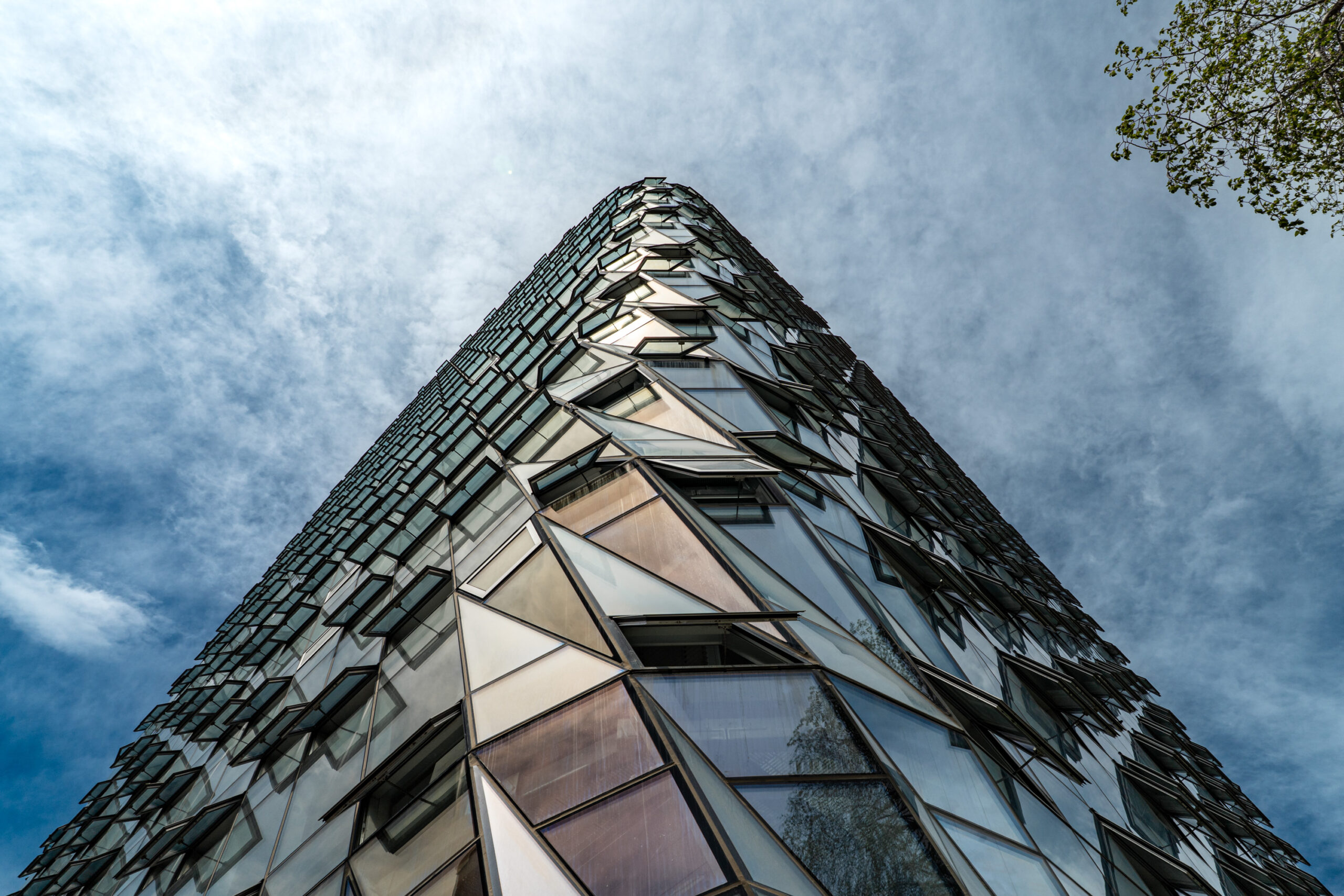
MacKimmie Complex at the University of Calgary in Calgary, Alberta. Completed in 2022 and designed by DIALOG, the redevelopment transformed the former MacKimmie Tower and Block into a 33,000-square-metre high-performance academic and administrative complex. The project achieved LEED Platinum certification and Canada Green Building Council Zero Carbon Building certification, using a dynamic double-skin façade with automated windows and shades, passive ventilation, thermal mass, heat recovery, solar exposure and on-site solar PV.. With 80% less energy than the former MacKimmie, more than 600 MWh/year of solar generation, and 2,800 tonnes of avoided CO₂ from reusing the existing tower structure.
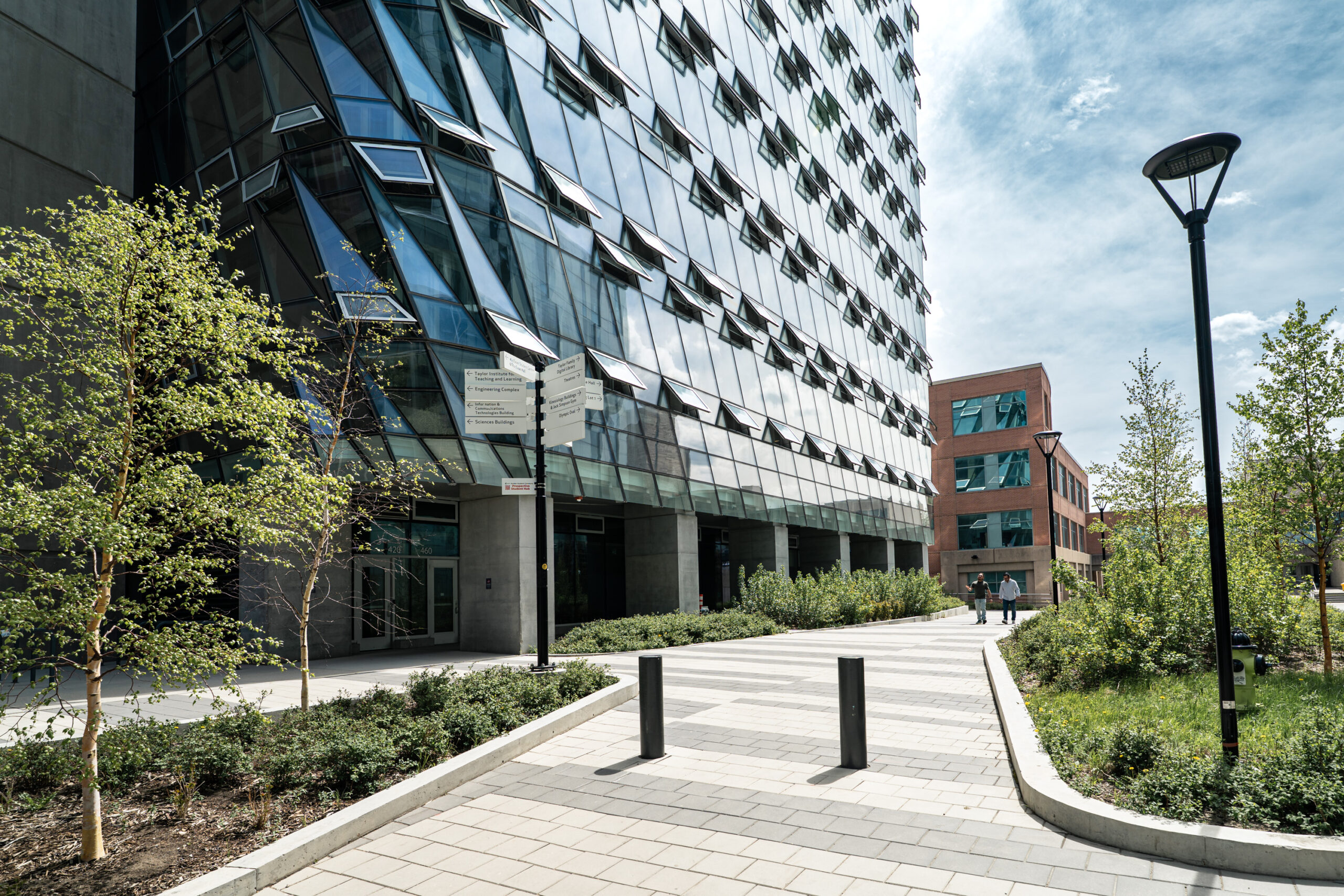
MacKimmie Complex at the University of Calgary in Calgary, Alberta. Completed in 2022 and designed by DIALOG, the redevelopment transformed the former MacKimmie Tower and Block into a 33,000-square-metre high-performance academic and administrative complex. The project achieved LEED Platinum certification and Canada Green Building Council Zero Carbon Building certification, using a dynamic double-skin façade with automated windows and shades, passive ventilation, thermal mass, heat recovery, solar exposure and on-site solar PV.. With 80% less energy than the former MacKimmie, more than 600 MWh/year of solar generation, and 2,800 tonnes of avoided CO₂ from reusing the existing tower structure.
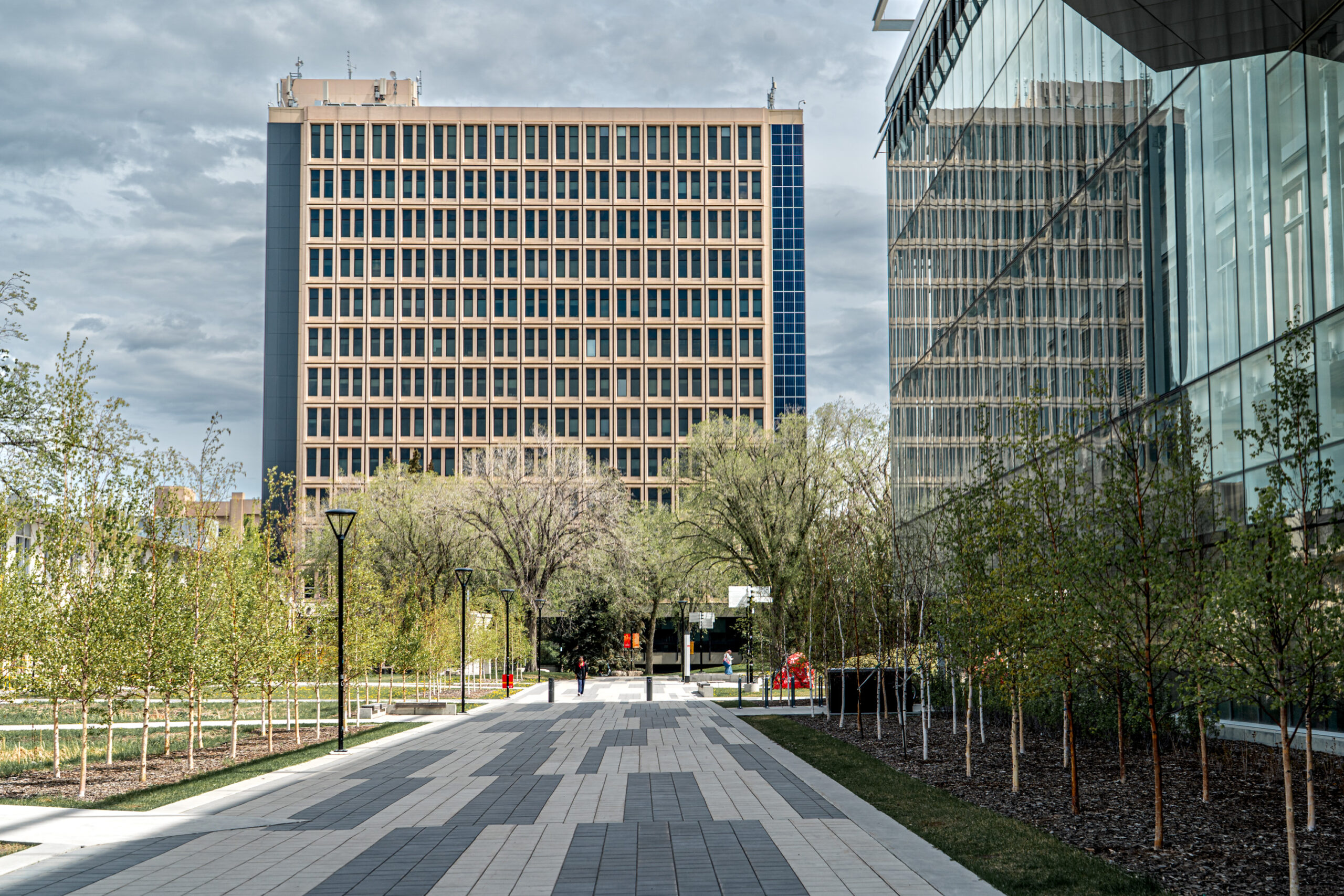
Social Sciences Building at the University of Calgary in Calgary, Alberta. Opened in 1969 as part of the university’s early campus expansion, the tower is now an example of how older academic buildings are being renewed as part of campus decarbonization. In 2023, UCalgary completed the installation of 1,100 square metres of solar photovoltaic panels on the building’s south façade, creating a 225-kilowatt system expected to cover about 90% of the building’s electrical load. The project formed part of a broader recladding effort to replace aging precast concrete panels, improve the building envelope and extend the useful life of a major mid-century campus building. It is part of the clean energy buildout because it shows that emissions reductions on large campuses depend not only on new high-performance buildings, but also on practical retrofits to the existing building stock that still shapes daily energy use.

Social Sciences Building at the University of Calgary in Calgary, Alberta. Opened in 1969 as part of the university’s early campus expansion, the tower is now an example of how older academic buildings are being renewed as part of campus decarbonization. In 2023, UCalgary completed the installation of 1,100 square metres of solar photovoltaic panels on the building’s south façade, creating a 225-kilowatt system expected to cover about 90% of the building’s electrical load. The project formed part of a broader recladding effort to replace aging precast concrete panels, improve the building envelope and extend the useful life of a major mid-century campus building. It is part of the clean energy buildout because it shows that emissions reductions on large campuses depend not only on new high-performance buildings, but also on practical retrofits to the existing building stock that still shapes daily energy use.

MacKimmie Complex at the University of Calgary in Calgary, Alberta. Completed in 2022 and designed by DIALOG, the redevelopment transformed the former MacKimmie Tower and Block into a 33,000-square-metre high-performance academic and administrative complex. The project achieved LEED Platinum certification and Canada Green Building Council Zero Carbon Building certification, using a dynamic double-skin façade with automated windows and shades, passive ventilation, thermal mass, heat recovery, solar exposure and on-site solar PV.. With 80% less energy than the former MacKimmie, more than 600 MWh/year of solar generation, and 2,800 tonnes of avoided CO₂ from reusing the existing tower structure.
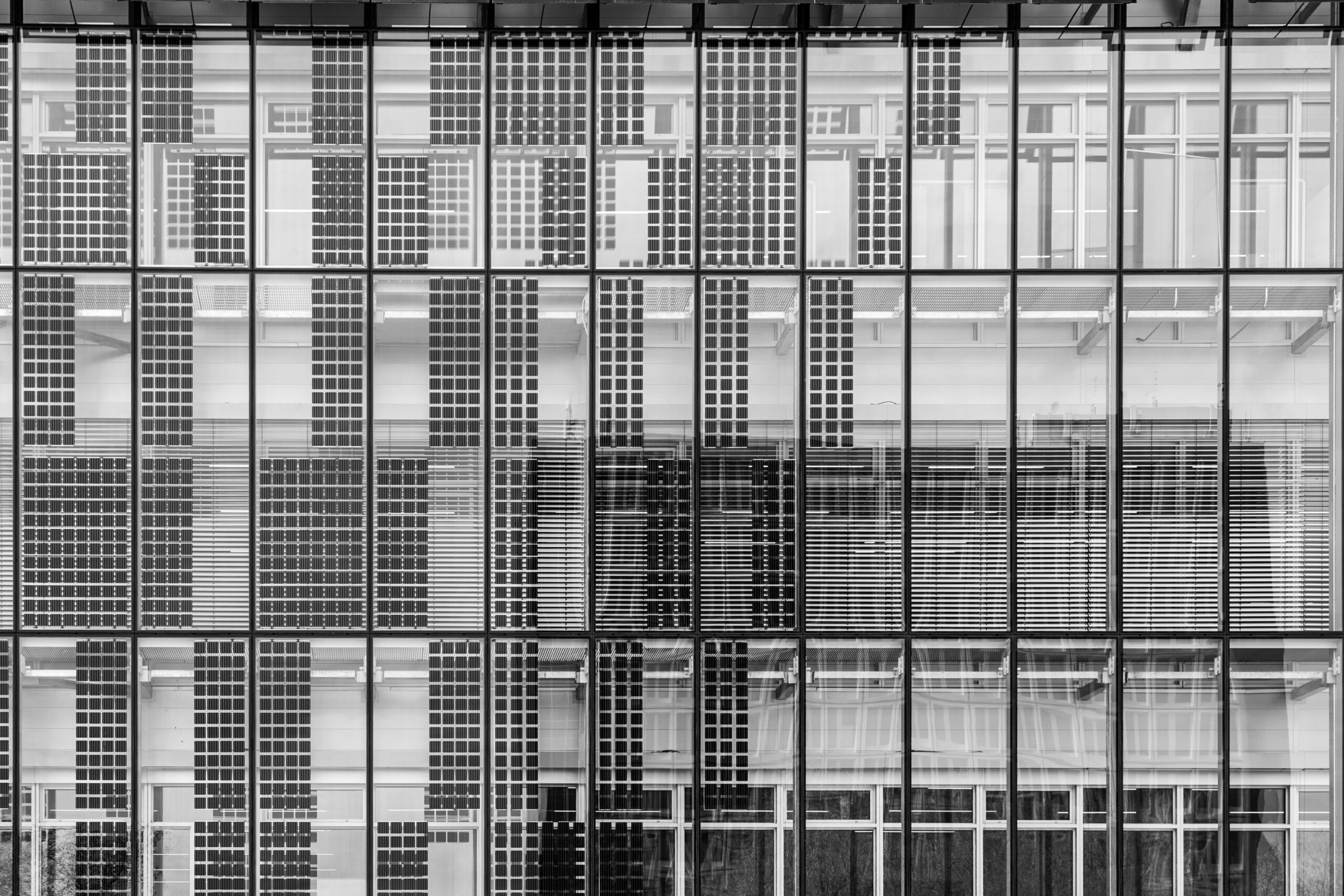
MacKimmie Complex at the University of Calgary in Calgary, Alberta. Completed in 2022 and designed by DIALOG, the redevelopment transformed the former MacKimmie Tower and Block into a 33,000-square-metre high-performance academic and administrative complex. The project achieved LEED Platinum certification and Canada Green Building Council Zero Carbon Building certification, using a dynamic double-skin façade with automated windows and shades, passive ventilation, thermal mass, heat recovery, solar exposure and on-site solar PV.. With 80% less energy than the former MacKimmie, more than 600 MWh/year of solar generation, and 2,800 tonnes of avoided CO₂ from reusing the existing tower structure.

MacKimmie Complex at the University of Calgary in Calgary, Alberta. Completed in 2022 and designed by DIALOG, the redevelopment transformed the former MacKimmie Tower and Block into a 33,000-square-metre high-performance academic and administrative complex. The project achieved LEED Platinum certification and Canada Green Building Council Zero Carbon Building certification, using a dynamic double-skin façade with automated windows and shades, passive ventilation, thermal mass, heat recovery, solar exposure and on-site solar PV.. With 80% less energy than the former MacKimmie, more than 600 MWh/year of solar generation, and 2,800 tonnes of avoided CO₂ from reusing the existing tower structure.
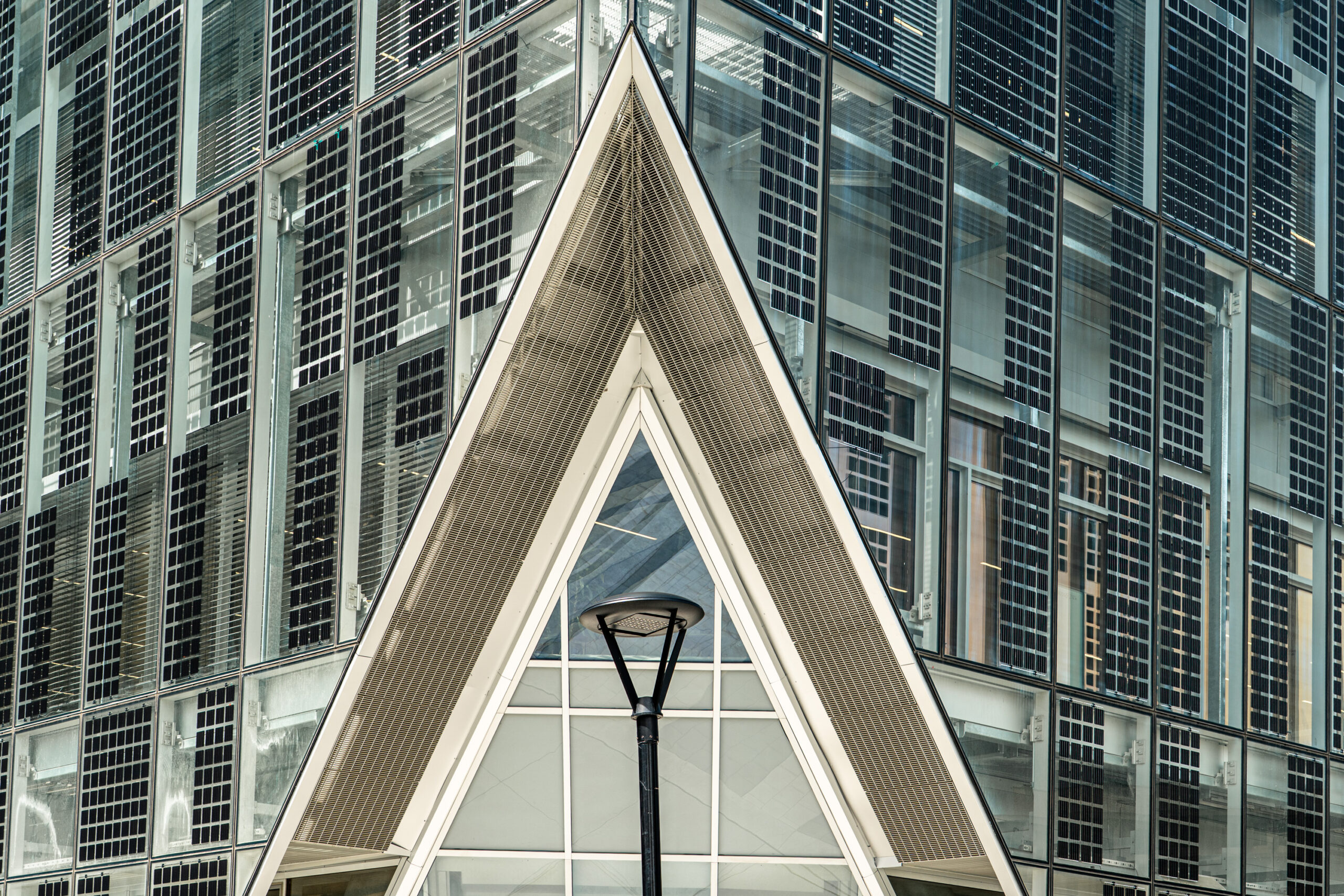
MacKimmie Complex at the University of Calgary in Calgary, Alberta. Completed in 2022 and designed by DIALOG, the redevelopment transformed the former MacKimmie Tower and Block into a 33,000-square-metre high-performance academic and administrative complex. The project achieved LEED Platinum certification and Canada Green Building Council Zero Carbon Building certification, using a dynamic double-skin façade with automated windows and shades, passive ventilation, thermal mass, heat recovery, solar exposure and on-site solar PV.. With 80% less energy than the former MacKimmie, more than 600 MWh/year of solar generation, and 2,800 tonnes of avoided CO₂ from reusing the existing tower structure.

MacKimmie Complex at the University of Calgary in Calgary, Alberta. Completed in 2022 and designed by DIALOG, the redevelopment transformed the former MacKimmie Tower and Block into a 33,000-square-metre high-performance academic and administrative complex. The project achieved LEED Platinum certification and Canada Green Building Council Zero Carbon Building certification, using a dynamic double-skin façade with automated windows and shades, passive ventilation, thermal mass, heat recovery, solar exposure and on-site solar PV.. With 80% less energy than the former MacKimmie, more than 600 MWh/year of solar generation, and 2,800 tonnes of avoided CO₂ from reusing the existing tower structure.

MacKimmie Complex at the University of Calgary in Calgary, Alberta. Completed in 2022 and designed by DIALOG, the redevelopment transformed the former MacKimmie Tower and Block into a 33,000-square-metre high-performance academic and administrative complex. The project achieved LEED Platinum certification and Canada Green Building Council Zero Carbon Building certification, using a dynamic double-skin façade with automated windows and shades, passive ventilation, thermal mass, heat recovery, solar exposure and on-site solar PV.. With 80% less energy than the former MacKimmie, more than 600 MWh/year of solar generation, and 2,800 tonnes of avoided CO₂ from reusing the existing tower structure.

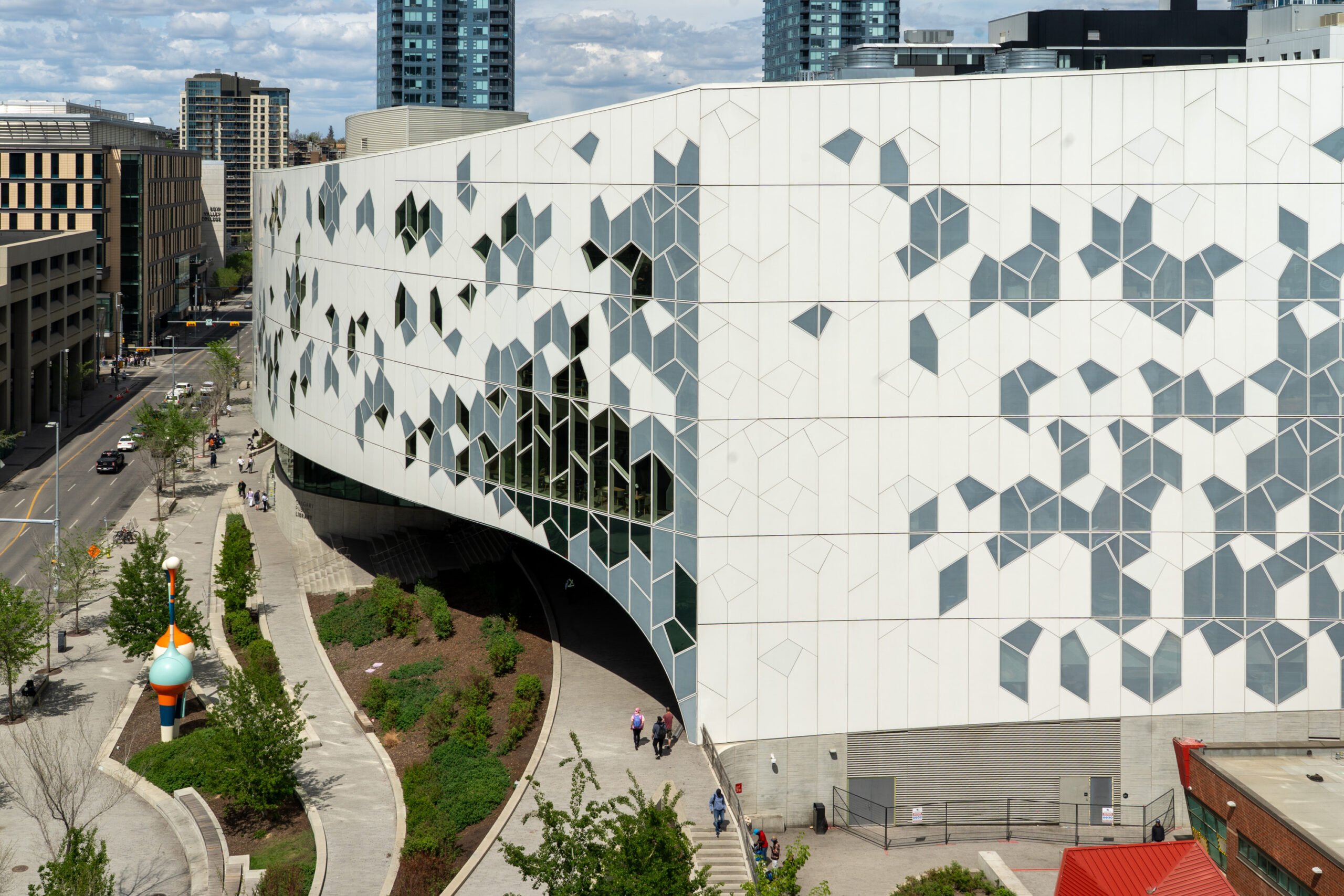
Calgary Central Library opened in 2018 in Calgary, Alberta, as a $245 million, 240,000-square-foot public building designed by Snøhetta and DIALOG. The project achieved LEED Gold certification through energy- and resource-efficiency measures including high-performance glazing, solar shading, efficient mechanical systems, stormwater collection for irrigation and FSC-certified wood. It delivers more than 26% energy cost savings, reduces indoor water use by 30%, and diverted more than 79% of construction waste from landfill.
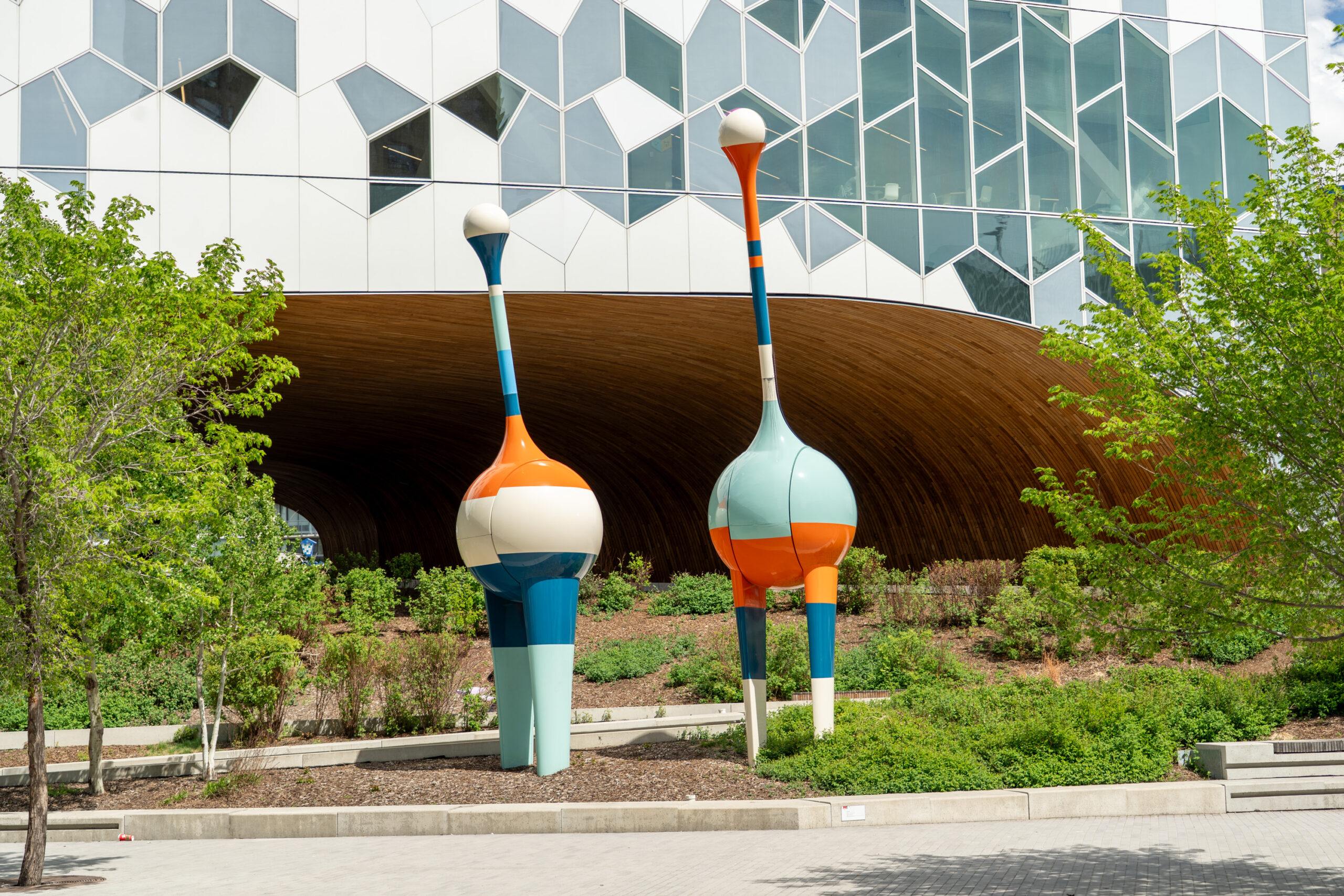
Calgary Central Library opened in 2018 in Calgary, Alberta, as a $245 million, 240,000-square-foot public building designed by Snøhetta and DIALOG. The project achieved LEED Gold certification through energy- and resource-efficiency measures including high-performance glazing, solar shading, efficient mechanical systems, stormwater collection for irrigation and FSC-certified wood. It delivers more than 26% energy cost savings, reduces indoor water use by 30%, and diverted more than 79% of construction waste from landfill.
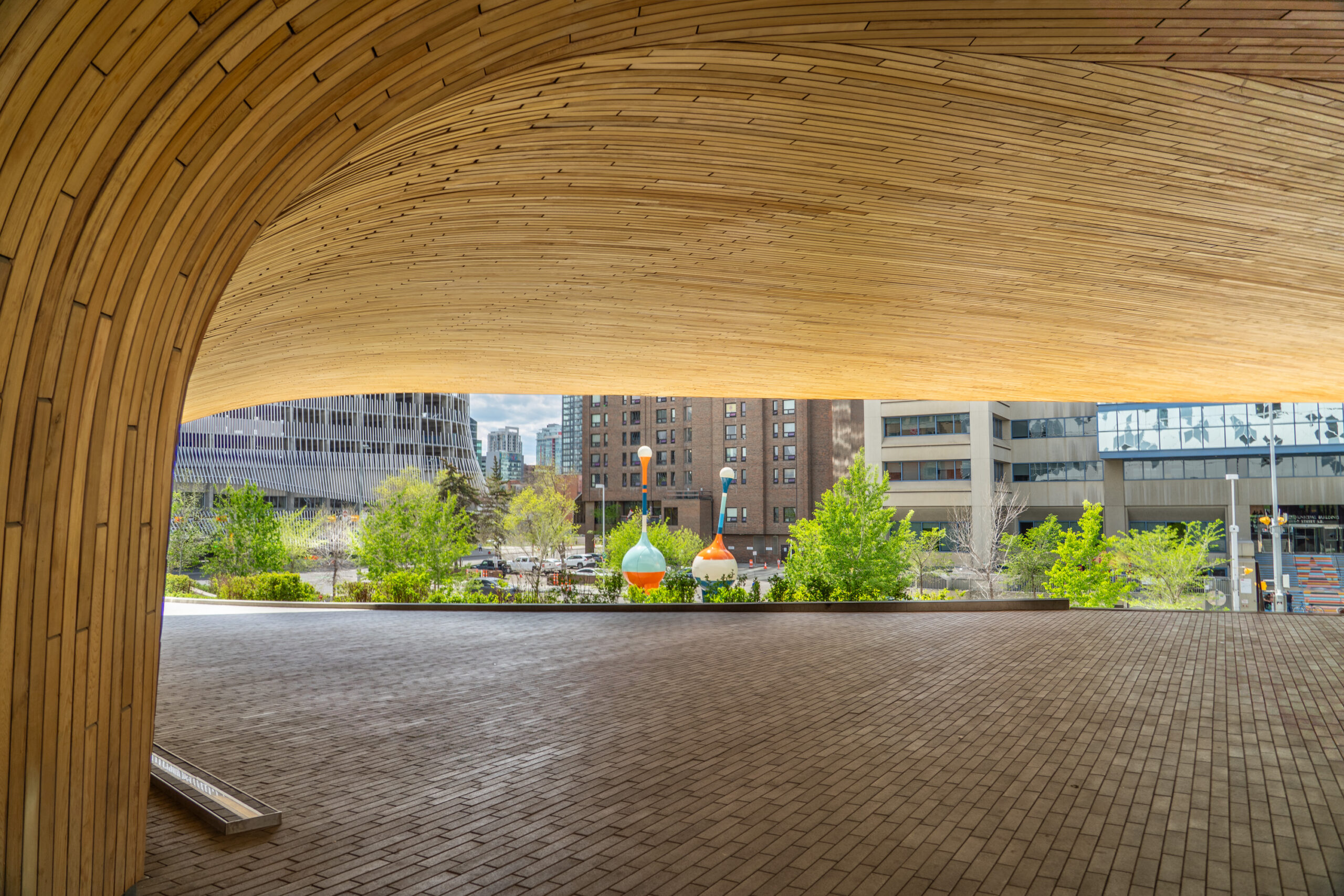
Calgary Central Library opened in 2018 in Calgary, Alberta, as a $245 million, 240,000-square-foot public building designed by Snøhetta and DIALOG. The project achieved LEED Gold certification through energy- and resource-efficiency measures including high-performance glazing, solar shading, efficient mechanical systems, stormwater collection for irrigation and FSC-certified wood. It delivers more than 26% energy cost savings, reduces indoor water use by 30%, and diverted more than 79% of construction waste from landfill.
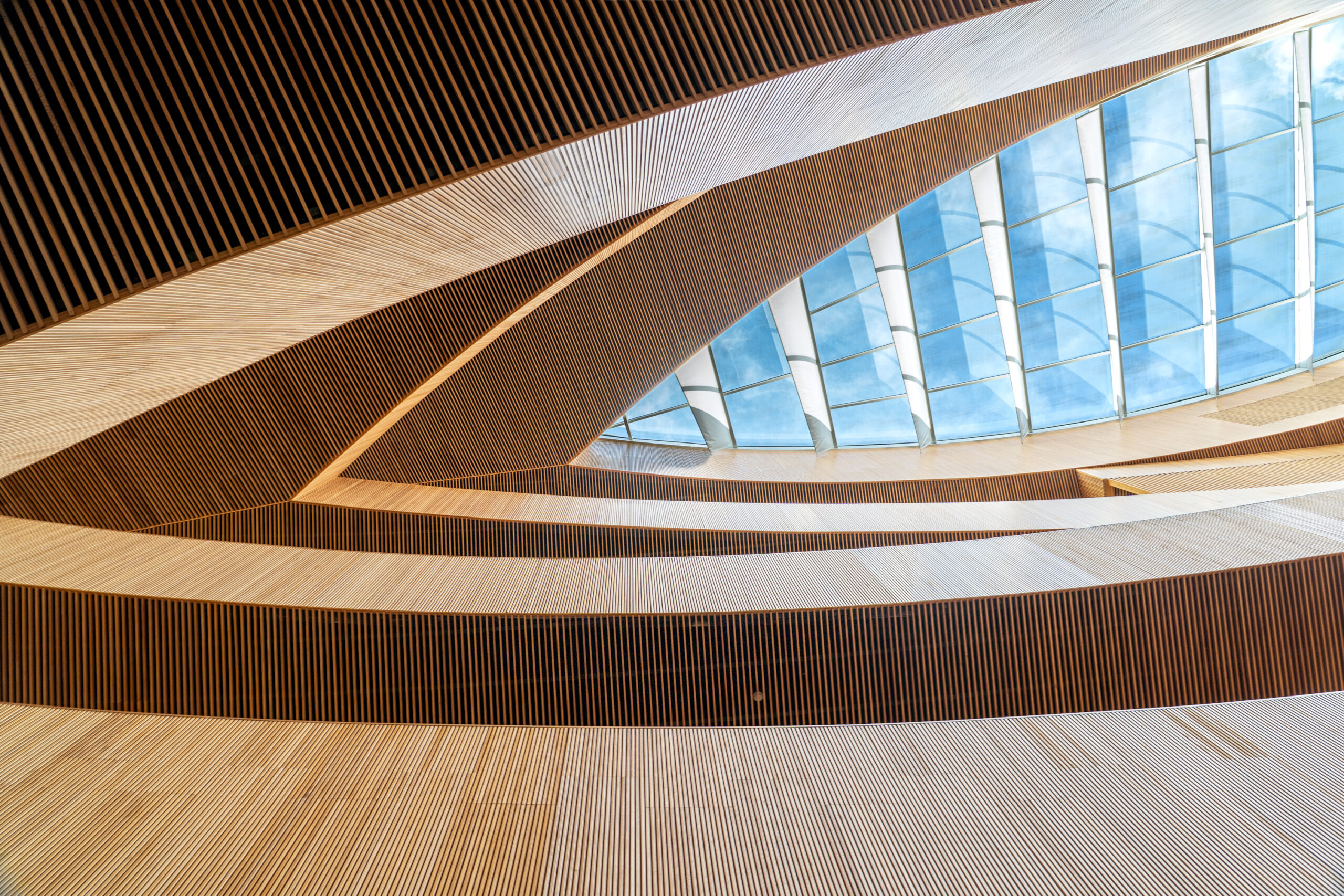
Calgary Central Library opened in 2018 in Calgary, Alberta, as a $245 million, 240,000-square-foot public building designed by Snøhetta and DIALOG. The project achieved LEED Gold certification through energy- and resource-efficiency measures including high-performance glazing, solar shading, efficient mechanical systems, stormwater collection for irrigation and FSC-certified wood. It delivers more than 26% energy cost savings, reduces indoor water use by 30%, and diverted more than 79% of construction waste from landfill.
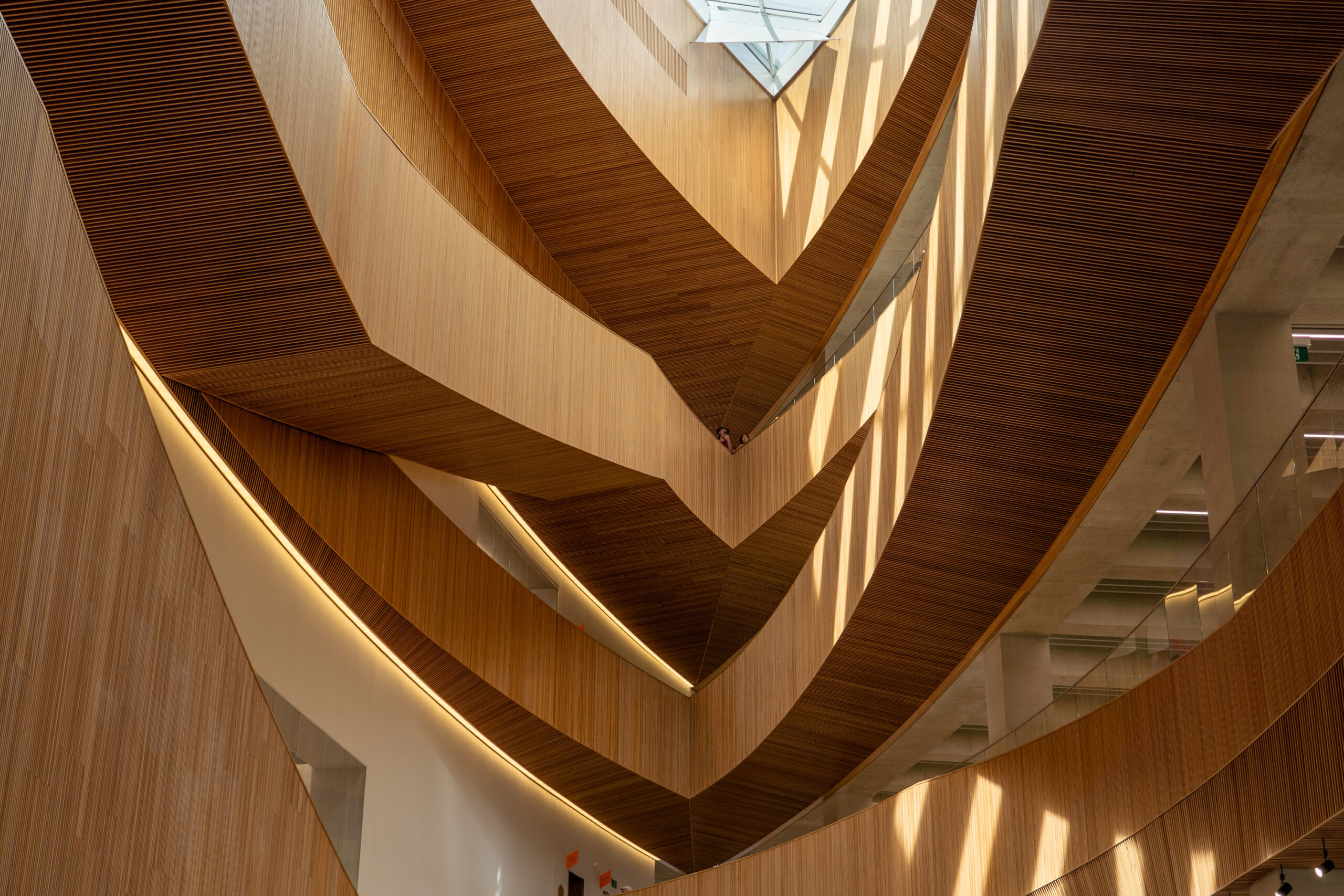
Calgary Central Library opened in 2018 in Calgary, Alberta, as a $245 million, 240,000-square-foot public building designed by Snøhetta and DIALOG. The project achieved LEED Gold certification through energy- and resource-efficiency measures including high-performance glazing, solar shading, efficient mechanical systems, stormwater collection for irrigation and FSC-certified wood. It delivers more than 26% energy cost savings, reduces indoor water use by 30%, and diverted more than 79% of construction waste from landfill.
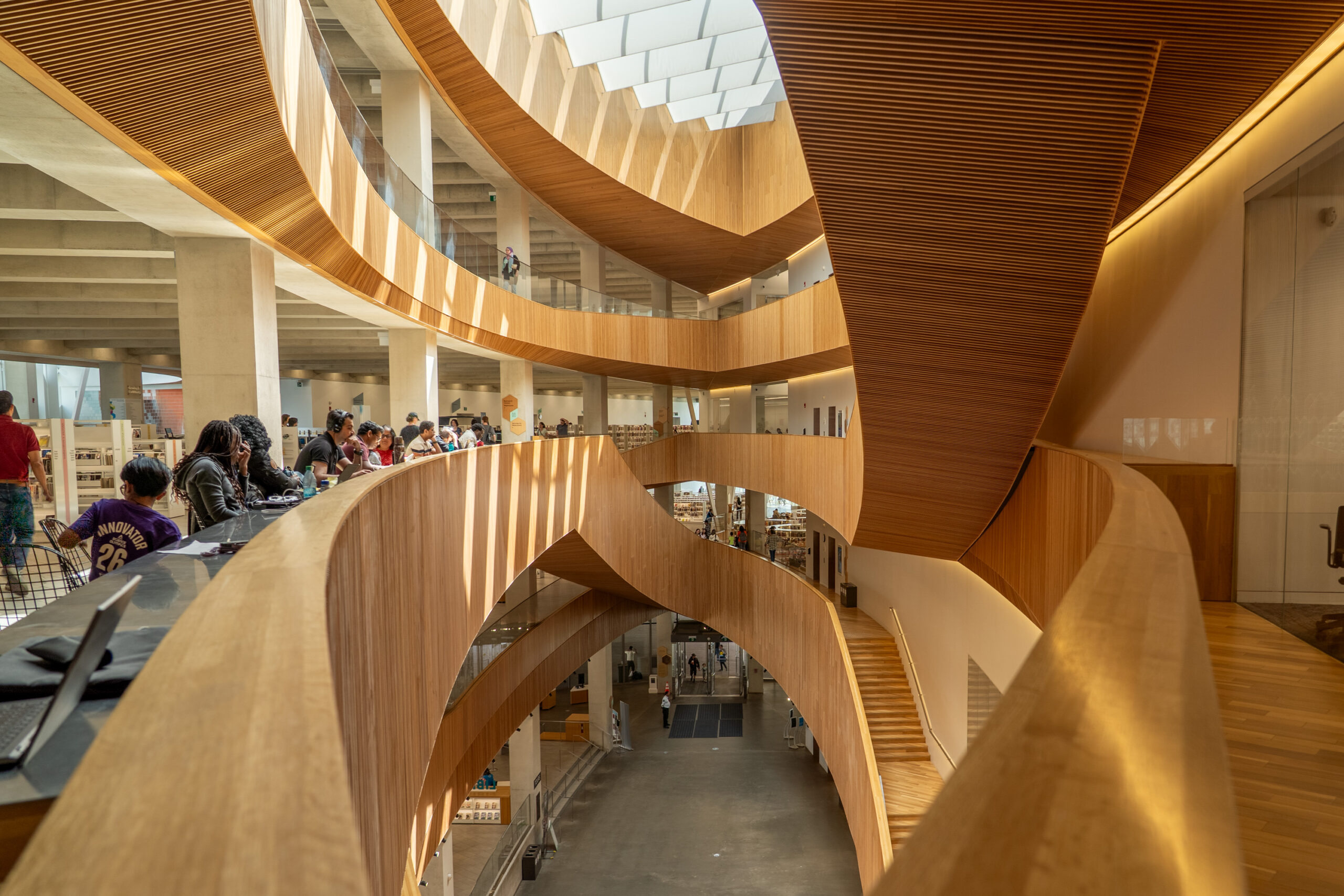
Calgary Central Library opened in 2018 in Calgary, Alberta, as a $245 million, 240,000-square-foot public building designed by Snøhetta and DIALOG. The project achieved LEED Gold certification through energy- and resource-efficiency measures including high-performance glazing, solar shading, efficient mechanical systems, stormwater collection for irrigation and FSC-certified wood. It delivers more than 26% energy cost savings, reduces indoor water use by 30%, and diverted more than 79% of construction waste from landfill.
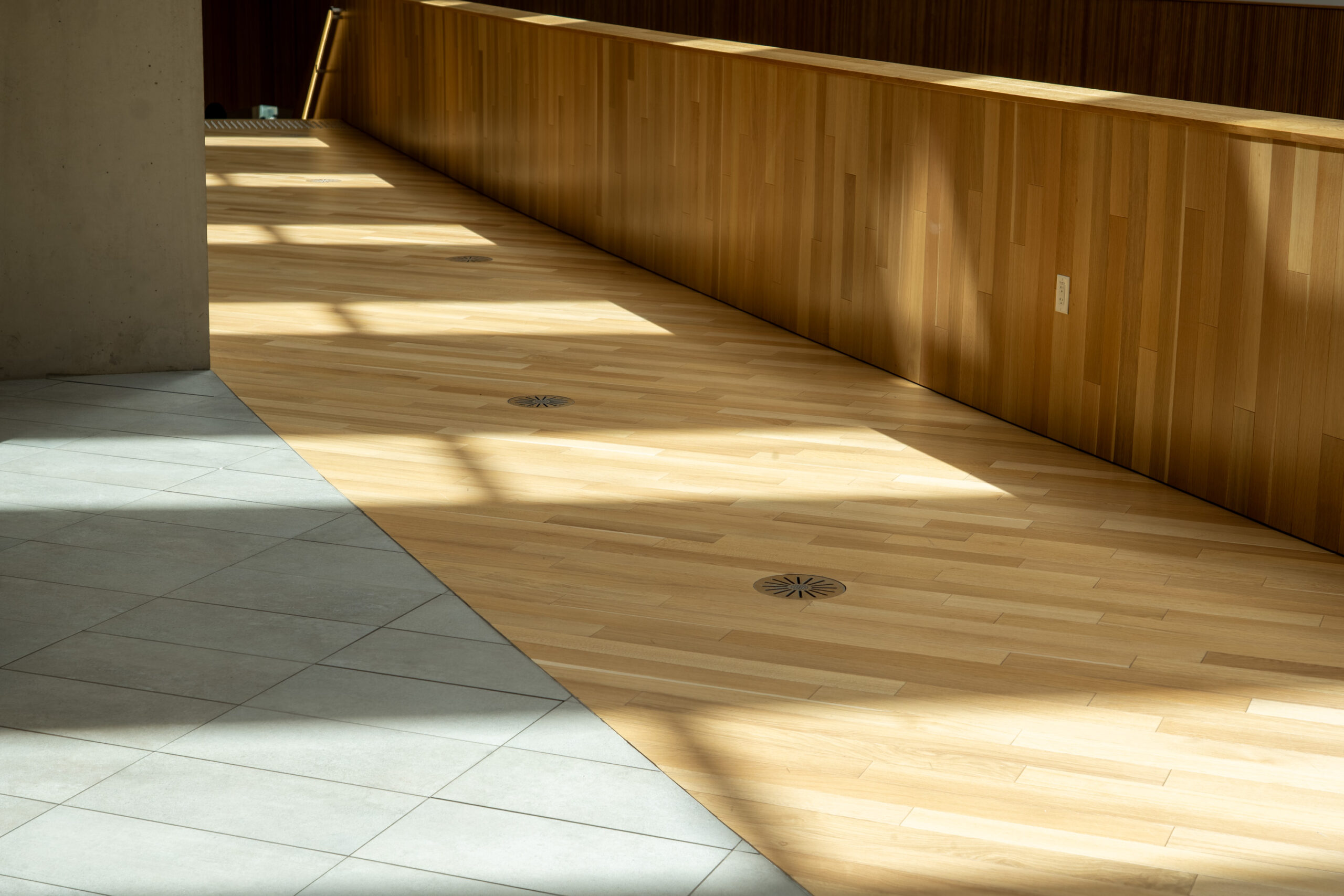
Calgary Central Library opened in 2018 in Calgary, Alberta, as a $245 million, 240,000-square-foot public building designed by Snøhetta and DIALOG. The project achieved LEED Gold certification through energy- and resource-efficiency measures including high-performance glazing, solar shading, efficient mechanical systems, stormwater collection for irrigation and FSC-certified wood. It delivers more than 26% energy cost savings, reduces indoor water use by 30%, and diverted more than 79% of construction waste from landfill.
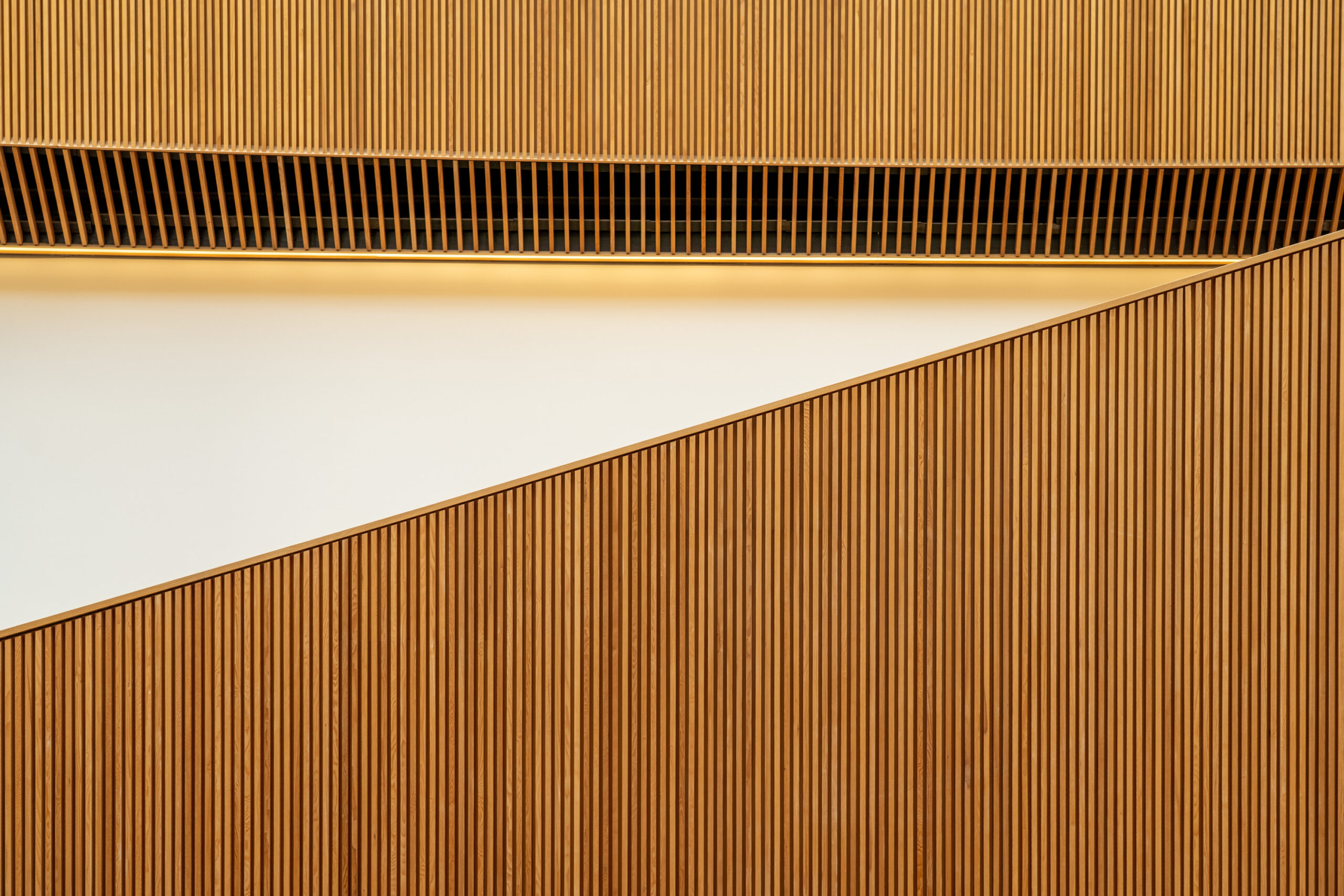
Calgary Central Library opened in 2018 in Calgary, Alberta, as a $245 million, 240,000-square-foot public building designed by Snøhetta and DIALOG. The project achieved LEED Gold certification through energy- and resource-efficiency measures including high-performance glazing, solar shading, efficient mechanical systems, stormwater collection for irrigation and FSC-certified wood. It delivers more than 26% energy cost savings, reduces indoor water use by 30%, and diverted more than 79% of construction waste from landfill.
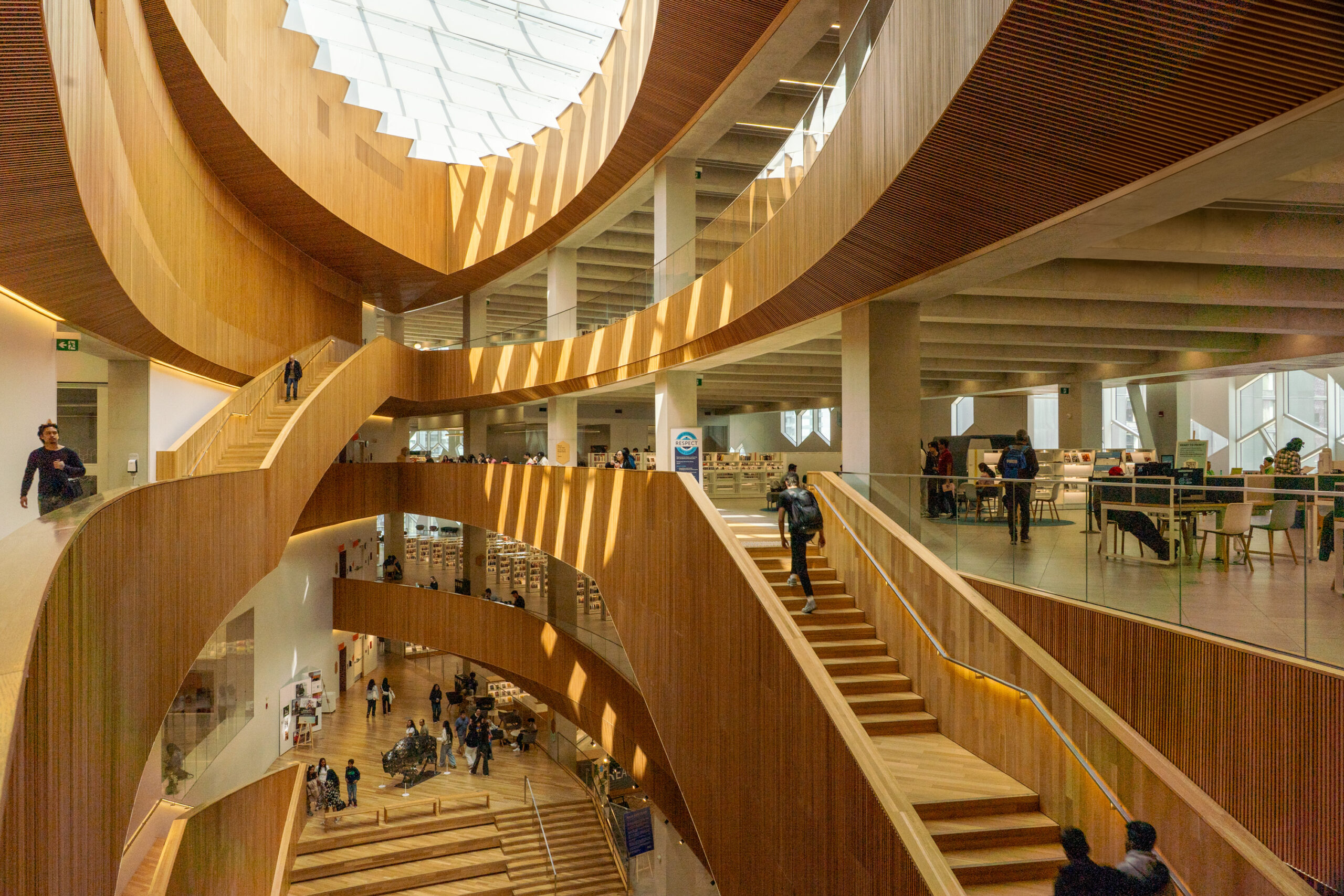
Calgary Central Library opened in 2018 in Calgary, Alberta, as a $245 million, 240,000-square-foot public building designed by Snøhetta and DIALOG. The project achieved LEED Gold certification through energy- and resource-efficiency measures including high-performance glazing, solar shading, efficient mechanical systems, stormwater collection for irrigation and FSC-certified wood. It delivers more than 26% energy cost savings, reduces indoor water use by 30%, and diverted more than 79% of construction waste from landfill.
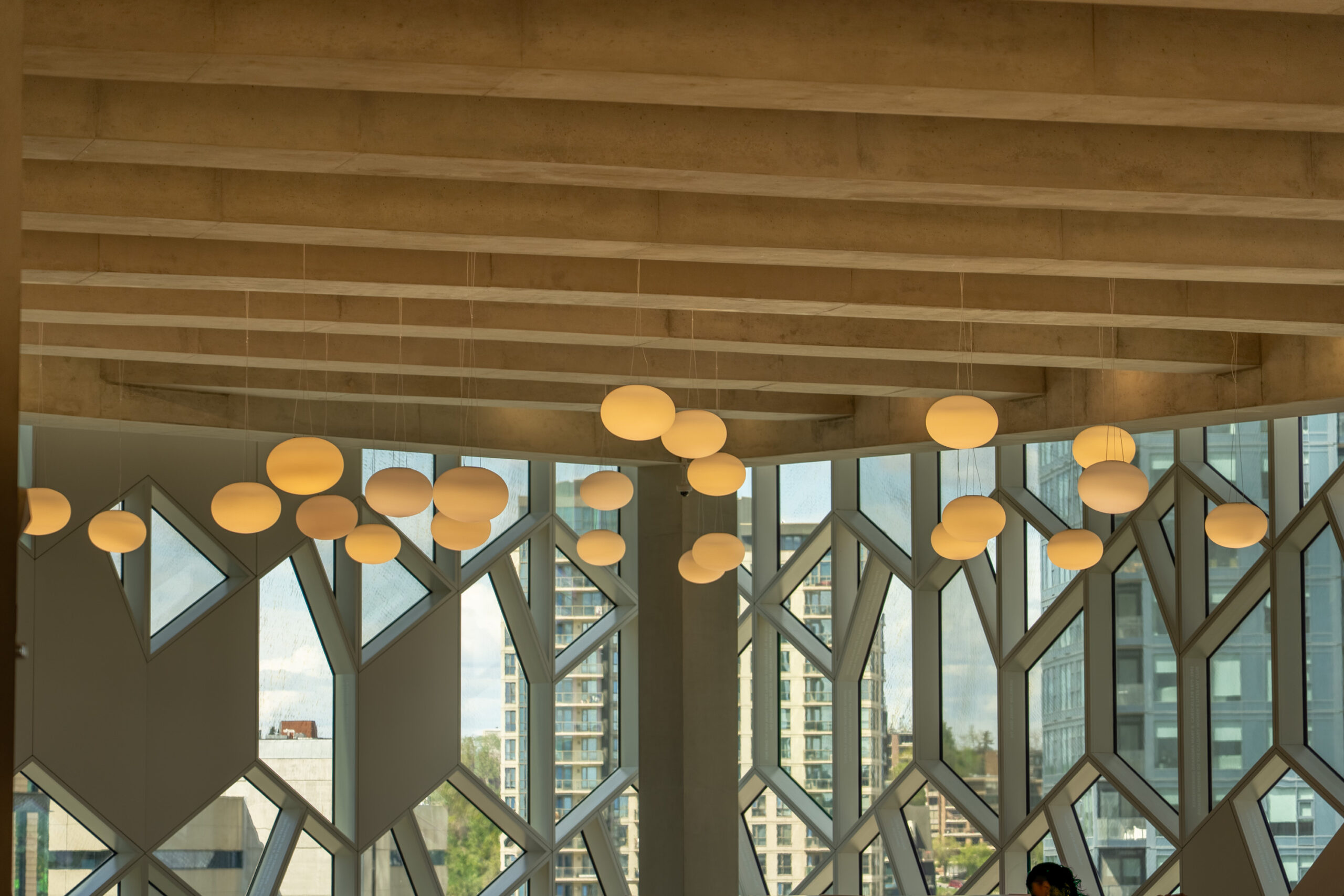
Calgary Central Library opened in 2018 in Calgary, Alberta, as a $245 million, 240,000-square-foot public building designed by Snøhetta and DIALOG. The project achieved LEED Gold certification through energy- and resource-efficiency measures including high-performance glazing, solar shading, efficient mechanical systems, stormwater collection for irrigation and FSC-certified wood. It delivers more than 26% energy cost savings, reduces indoor water use by 30%, and diverted more than 79% of construction waste from landfill.
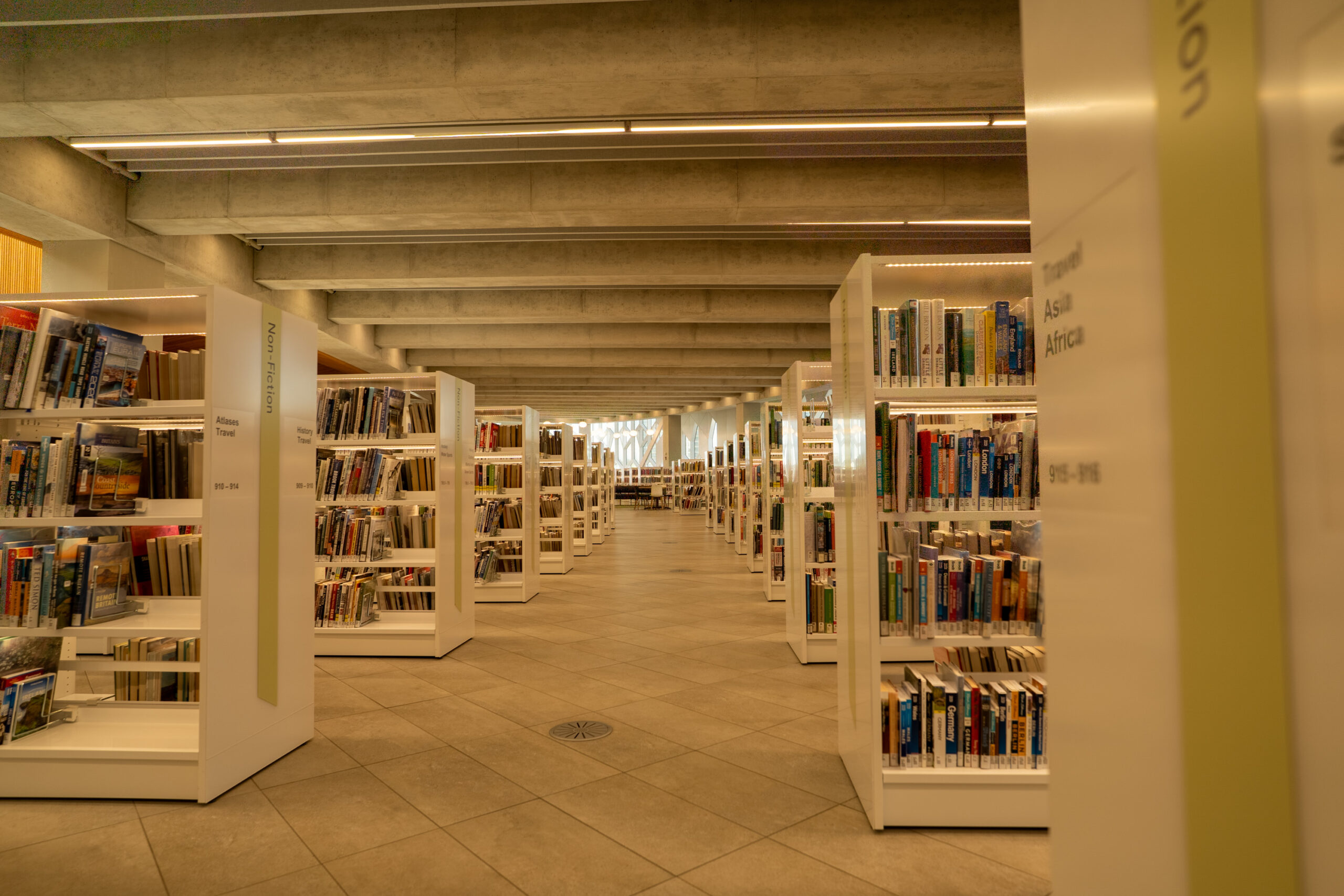
Calgary Central Library opened in 2018 in Calgary, Alberta, as a $245 million, 240,000-square-foot public building designed by Snøhetta and DIALOG. The project achieved LEED Gold certification through energy- and resource-efficiency measures including high-performance glazing, solar shading, efficient mechanical systems, stormwater collection for irrigation and FSC-certified wood. It delivers more than 26% energy cost savings, reduces indoor water use by 30%, and diverted more than 79% of construction waste from landfill.

Calgary Central Library opened in 2018 in Calgary, Alberta, as a $245 million, 240,000-square-foot public building designed by Snøhetta and DIALOG. The project achieved LEED Gold certification through energy- and resource-efficiency measures including high-performance glazing, solar shading, efficient mechanical systems, stormwater collection for irrigation and FSC-certified wood. It delivers more than 26% energy cost savings, reduces indoor water use by 30%, and diverted more than 79% of construction waste from landfill.
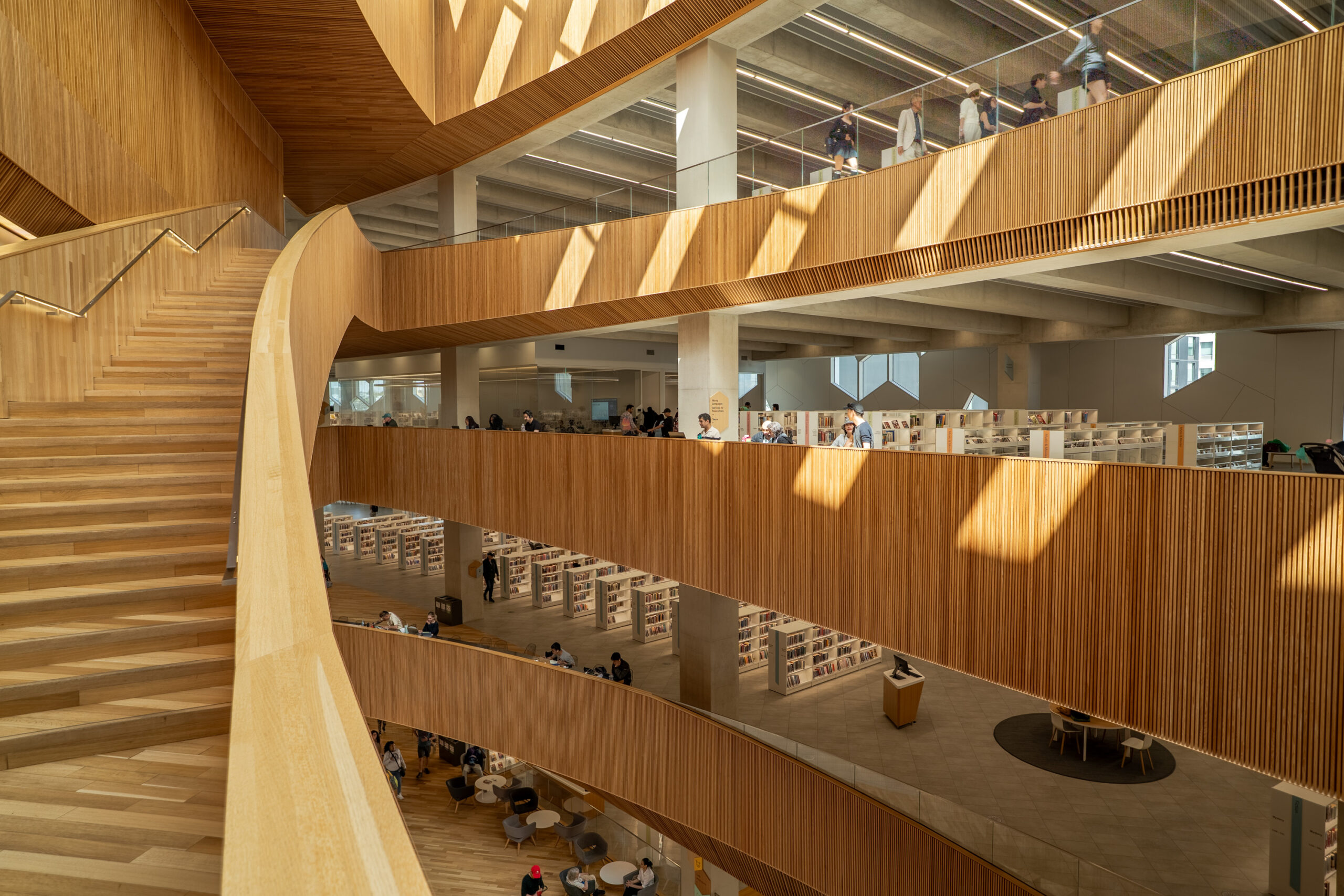
Calgary Central Library opened in 2018 in Calgary, Alberta, as a $245 million, 240,000-square-foot public building designed by Snøhetta and DIALOG. The project achieved LEED Gold certification through energy- and resource-efficiency measures including high-performance glazing, solar shading, efficient mechanical systems, stormwater collection for irrigation and FSC-certified wood. It delivers more than 26% energy cost savings, reduces indoor water use by 30%, and diverted more than 79% of construction waste from landfill.

Calgary Central Library opened in 2018 in Calgary, Alberta, as a $245 million, 240,000-square-foot public building designed by Snøhetta and DIALOG. The project achieved LEED Gold certification through energy- and resource-efficiency measures including high-performance glazing, solar shading, efficient mechanical systems, stormwater collection for irrigation and FSC-certified wood. It delivers more than 26% energy cost savings, reduces indoor water use by 30%, and diverted more than 79% of construction waste from landfill.
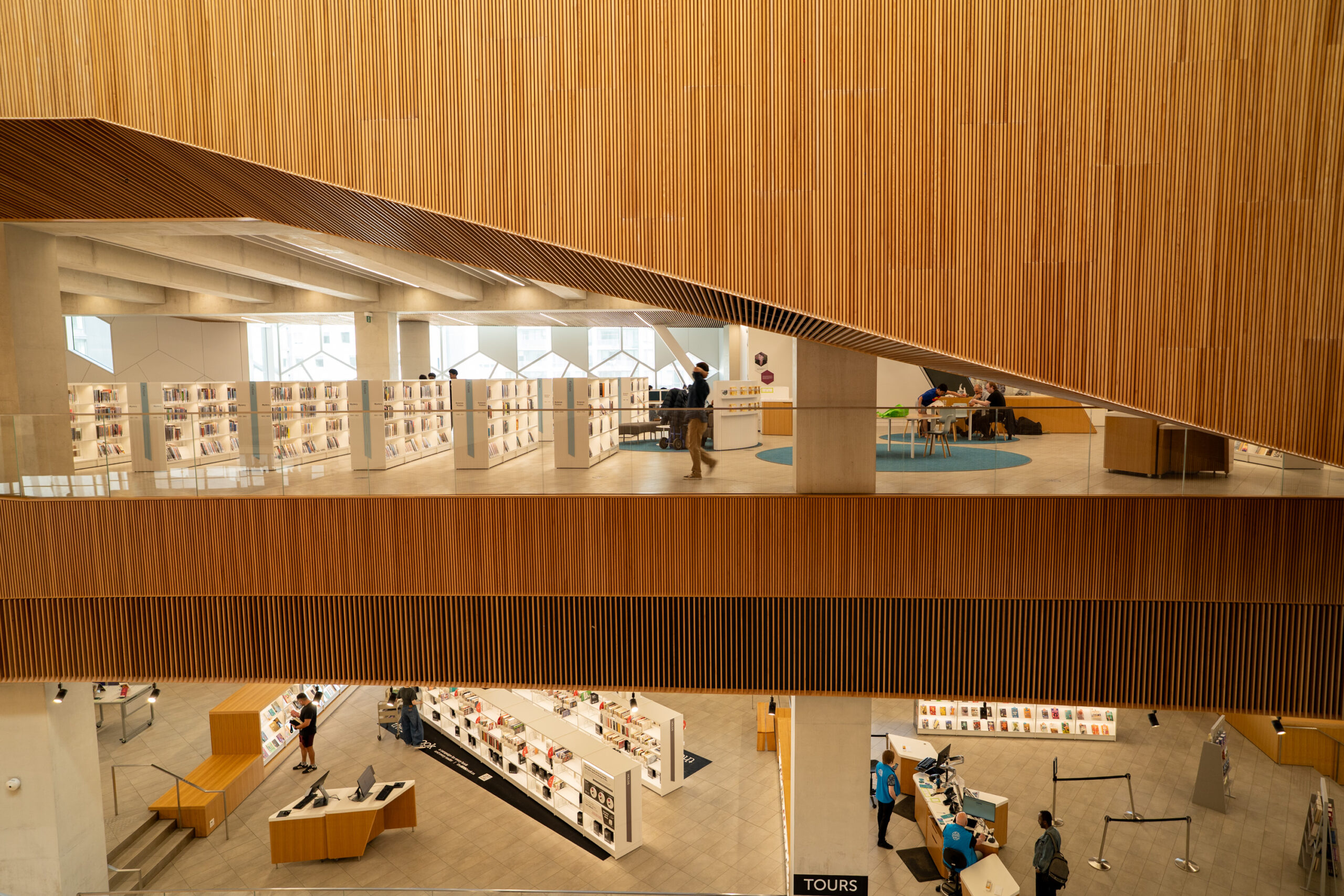
Calgary Central Library opened in 2018 in Calgary, Alberta, as a $245 million, 240,000-square-foot public building designed by Snøhetta and DIALOG. The project achieved LEED Gold certification through energy- and resource-efficiency measures including high-performance glazing, solar shading, efficient mechanical systems, stormwater collection for irrigation and FSC-certified wood. It delivers more than 26% energy cost savings, reduces indoor water use by 30%, and diverted more than 79% of construction waste from landfill.
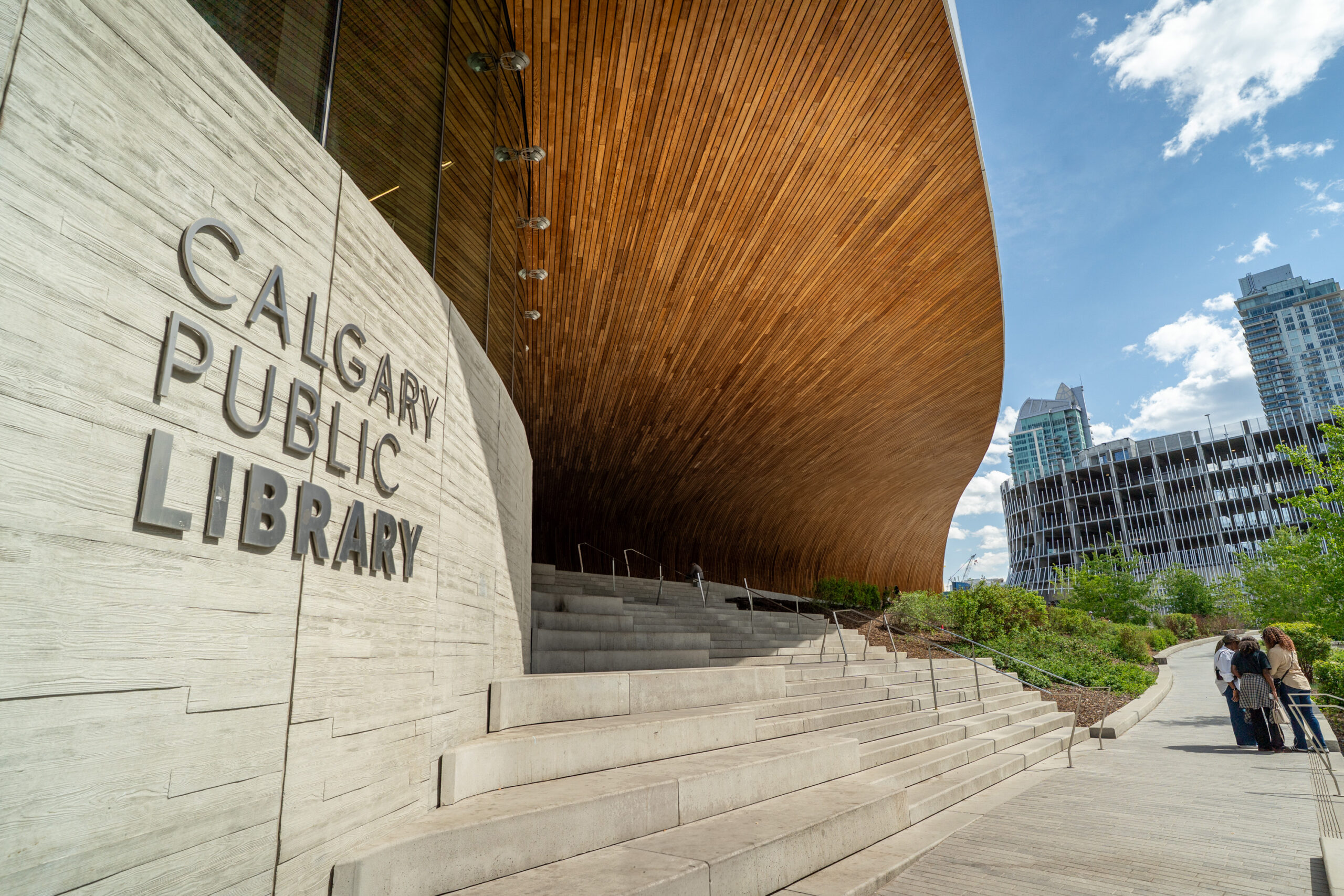
Calgary Central Library opened in 2018 in Calgary, Alberta, as a $245 million, 240,000-square-foot public building designed by Snøhetta and DIALOG. The project achieved LEED Gold certification through energy- and resource-efficiency measures including high-performance glazing, solar shading, efficient mechanical systems, stormwater collection for irrigation and FSC-certified wood. It delivers more than 26% energy cost savings, reduces indoor water use by 30%, and diverted more than 79% of construction waste from landfill.
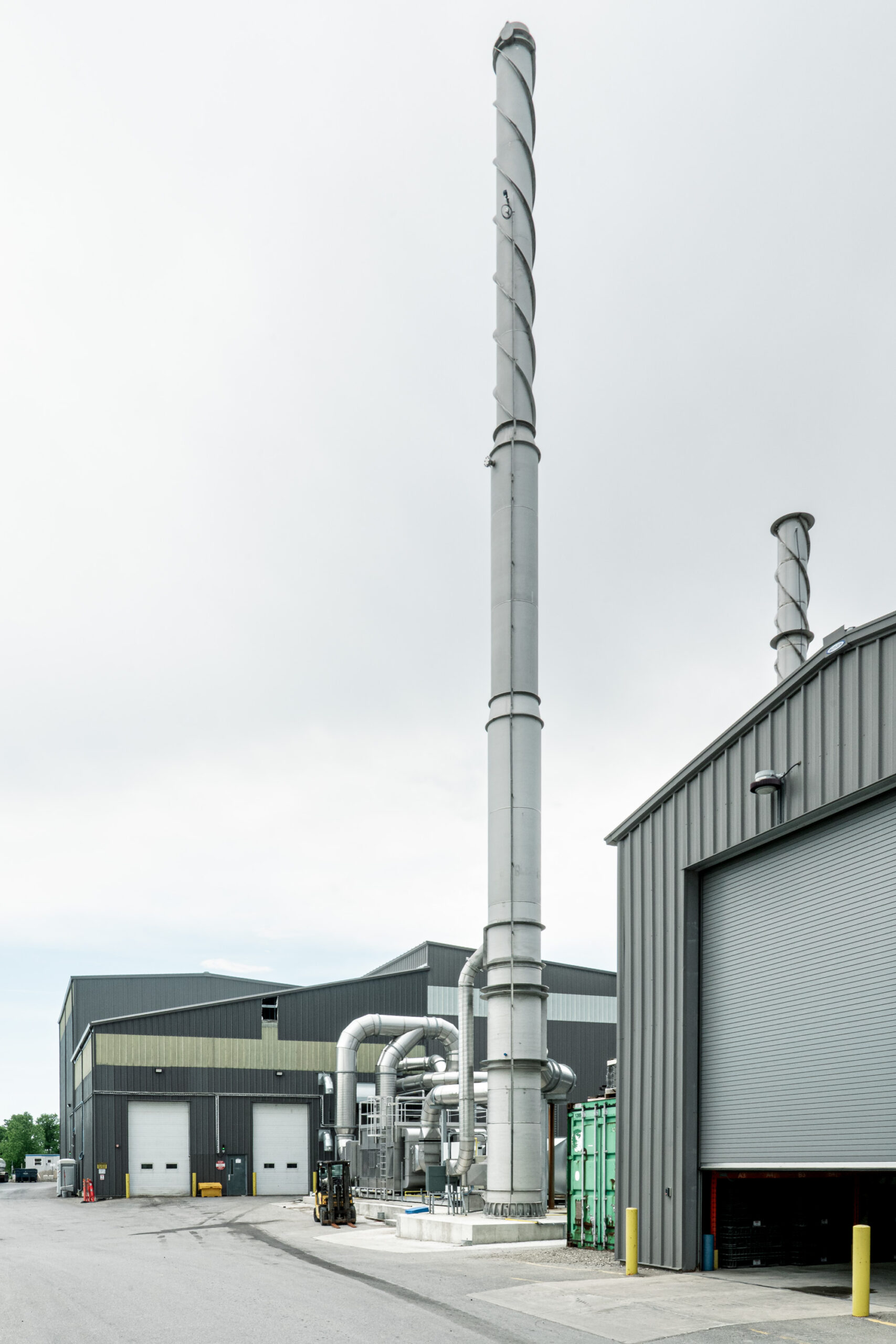
Generate Upcycle’s London, Ontario facility processes up to 225,000 tonnes of organic waste annually and can produce up to 832,000 GJ of renewable natural gas—enough to heat about 9,400 homes. The company has invested more than $175 million in Ontario over the past five years, and the facility supports 22 full-time jobs in London and about 20 more across the province.
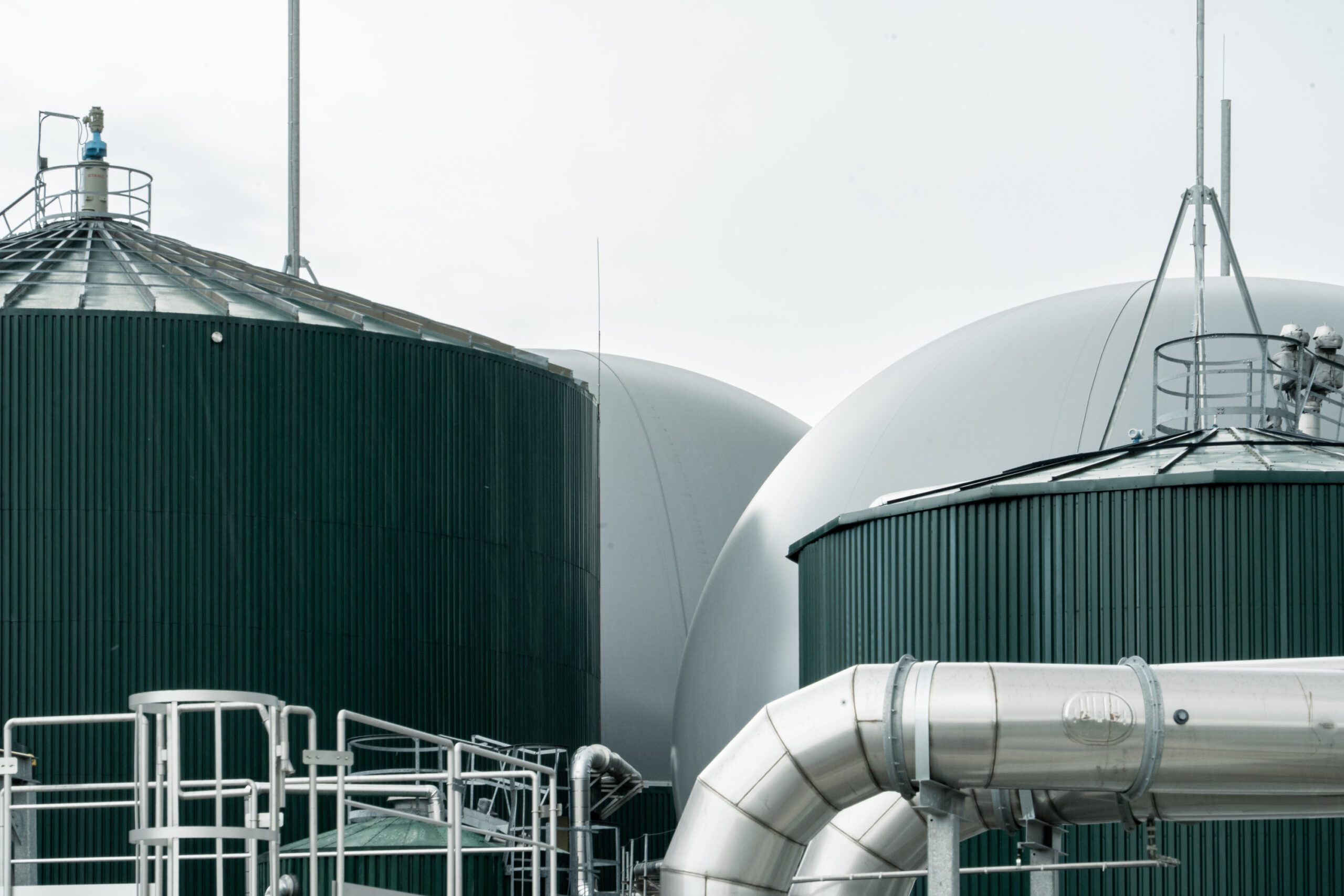
Generate Upcycle’s London, Ontario facility processes up to 225,000 tonnes of organic waste annually and can produce up to 832,000 GJ of renewable natural gas—enough to heat about 9,400 homes. The company has invested more than $175 million in Ontario over the past five years, and the facility supports 22 full-time jobs in London and about 20 more across the province.
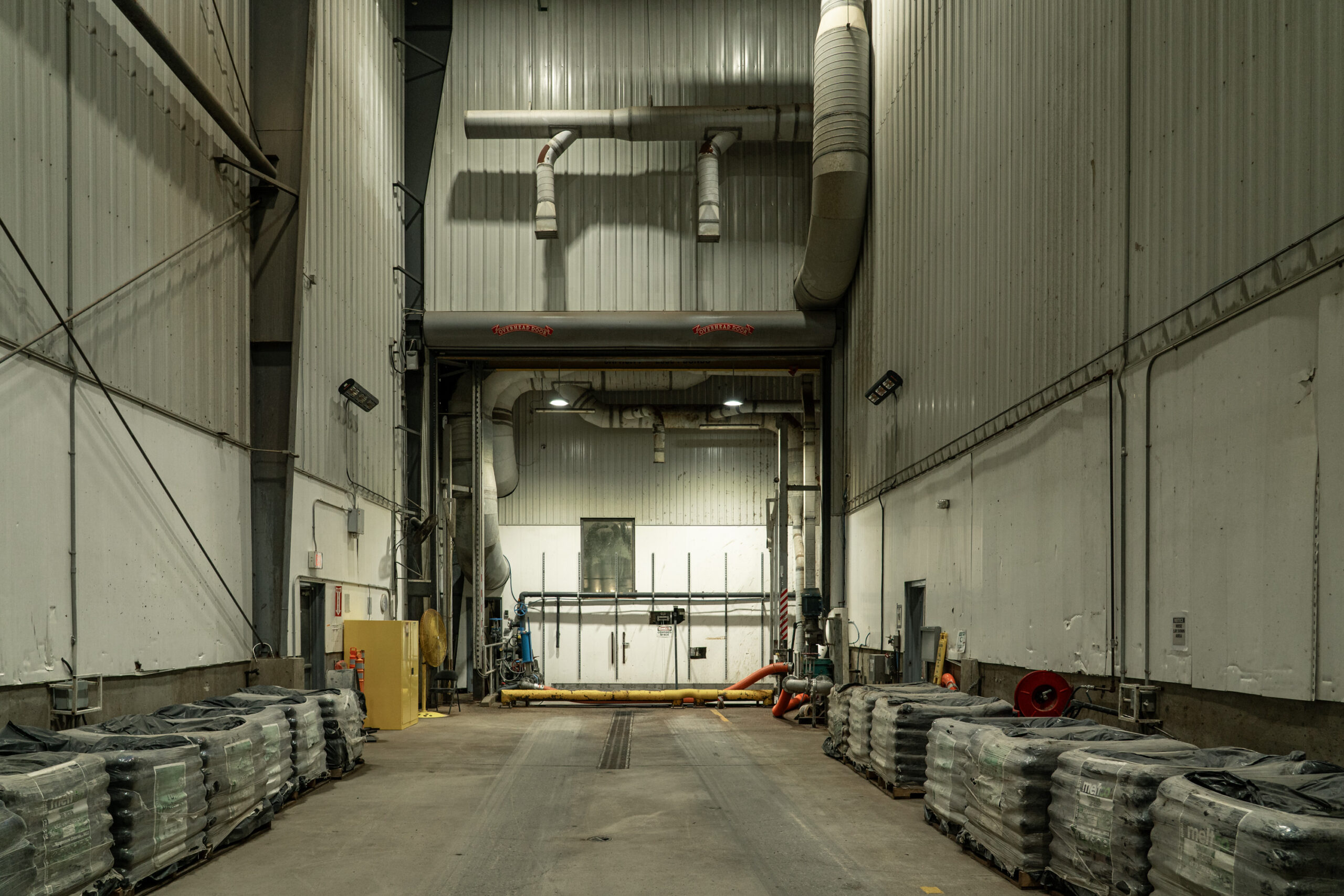
Generate Upcycle’s London, Ontario facility processes up to 225,000 tonnes of organic waste annually and can produce up to 832,000 GJ of renewable natural gas—enough to heat about 9,400 homes. The company has invested more than $175 million in Ontario over the past five years, and the facility supports 22 full-time jobs in London and about 20 more across the province.
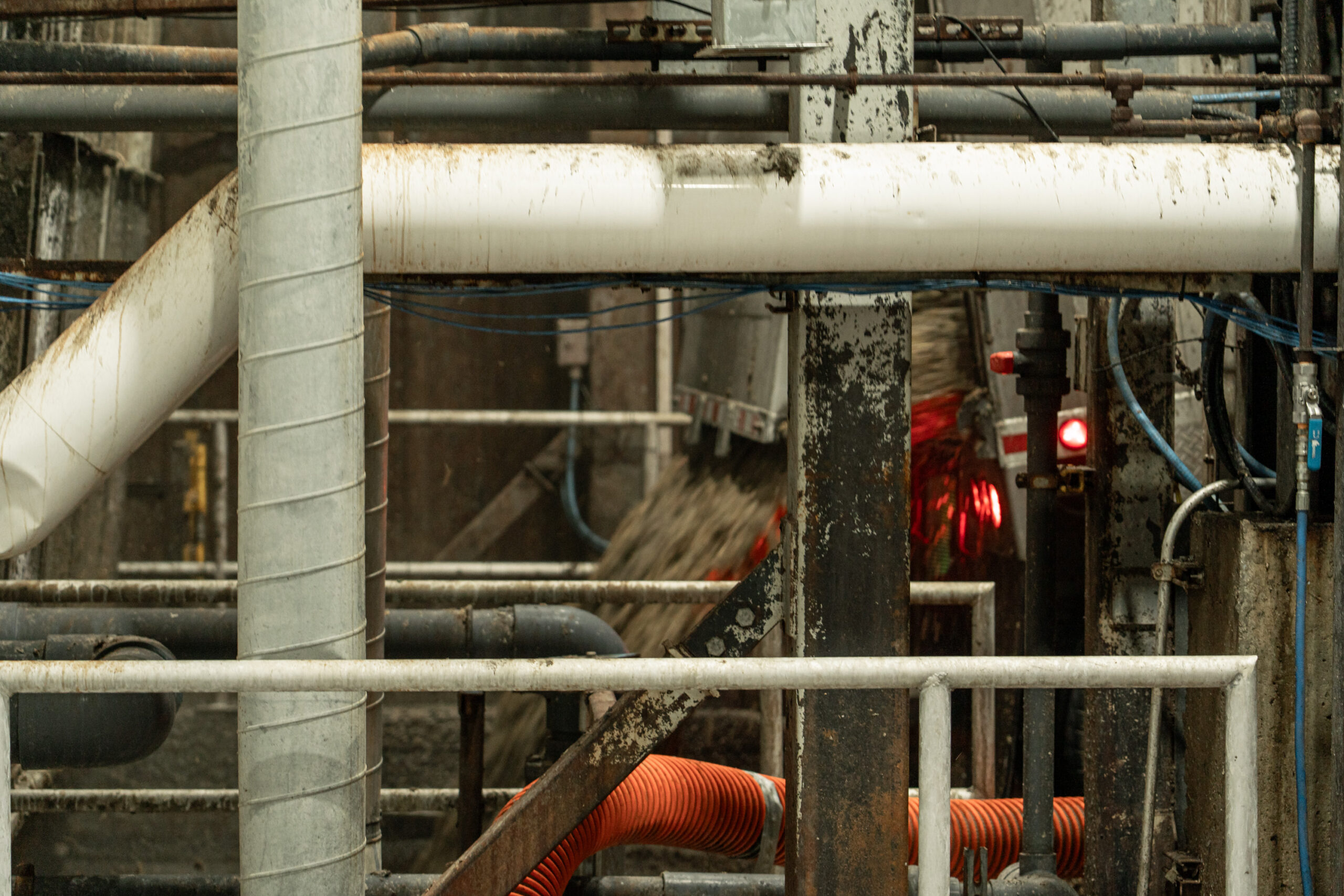
Generate Upcycle’s London, Ontario facility processes up to 225,000 tonnes of organic waste annually and can produce up to 832,000 GJ of renewable natural gas—enough to heat about 9,400 homes. The company has invested more than $175 million in Ontario over the past five years, and the facility supports 22 full-time jobs in London and about 20 more across the province.
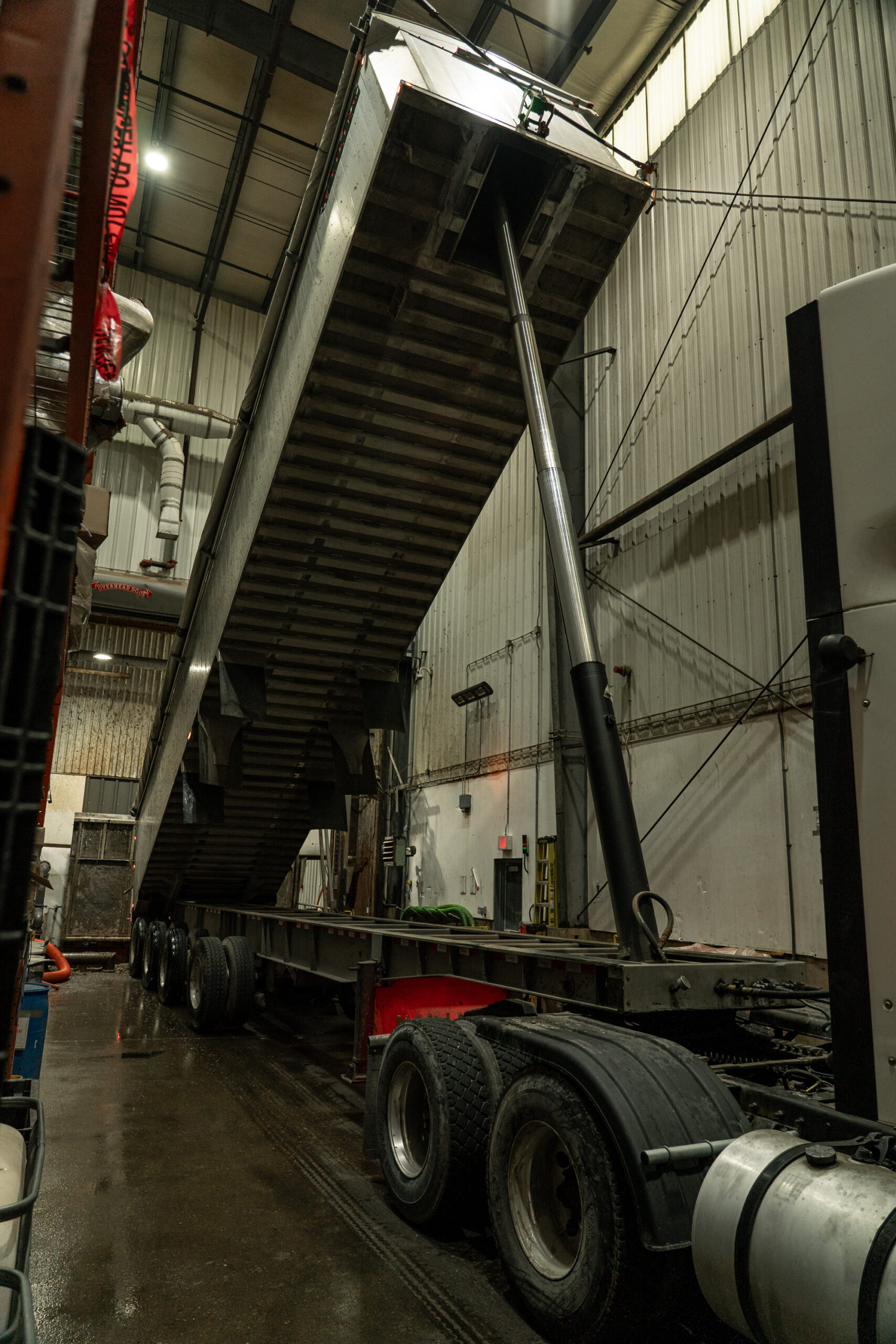
Generate Upcycle’s London, Ontario facility processes up to 225,000 tonnes of organic waste annually and can produce up to 832,000 GJ of renewable natural gas—enough to heat about 9,400 homes. The company has invested more than $175 million in Ontario over the past five years, and the facility supports 22 full-time jobs in London and about 20 more across the province.
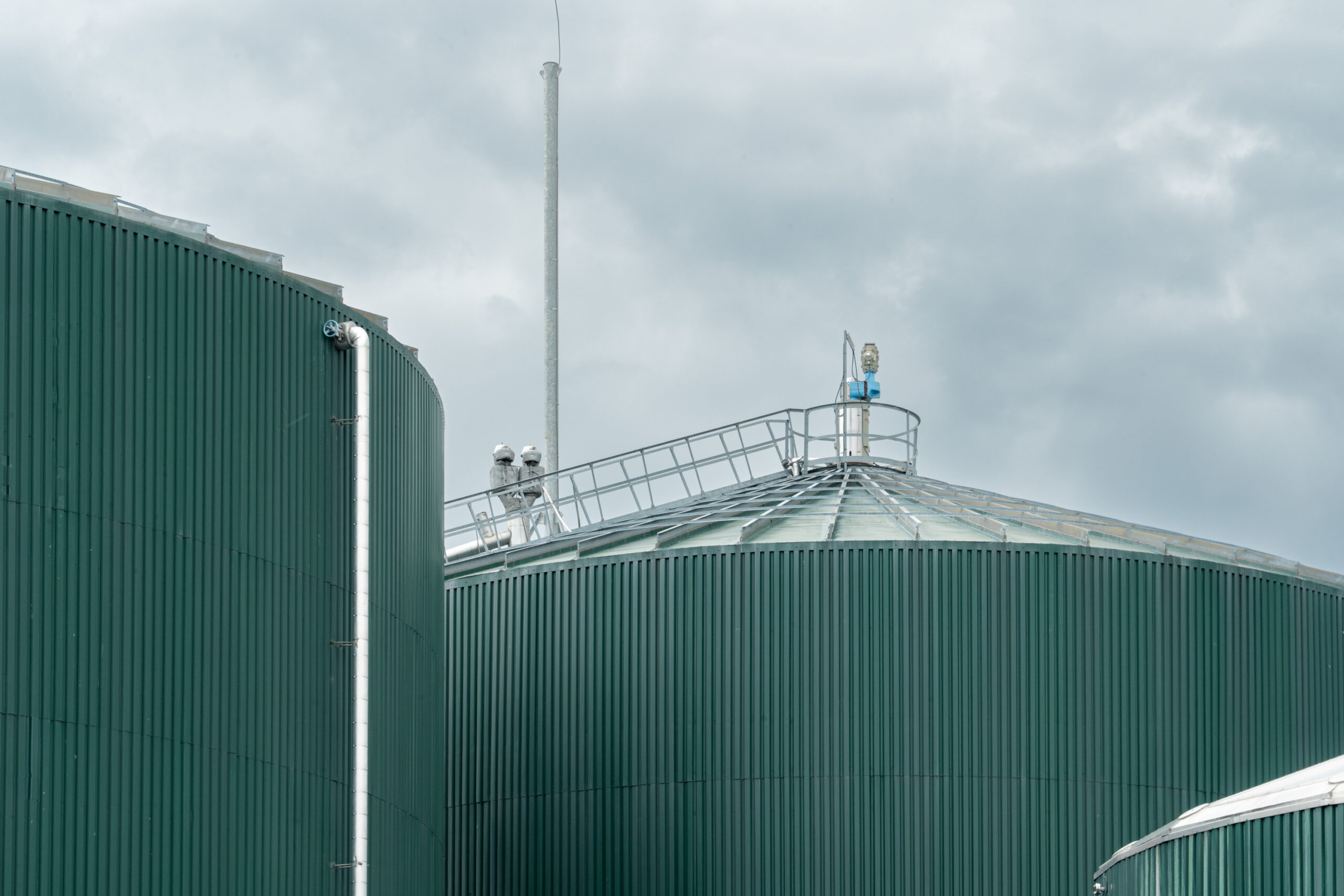
Generate Upcycle’s London, Ontario facility processes up to 225,000 tonnes of organic waste annually and can produce up to 832,000 GJ of renewable natural gas—enough to heat about 9,400 homes. The company has invested more than $175 million in Ontario over the past five years, and the facility supports 22 full-time jobs in London and about 20 more across the province.
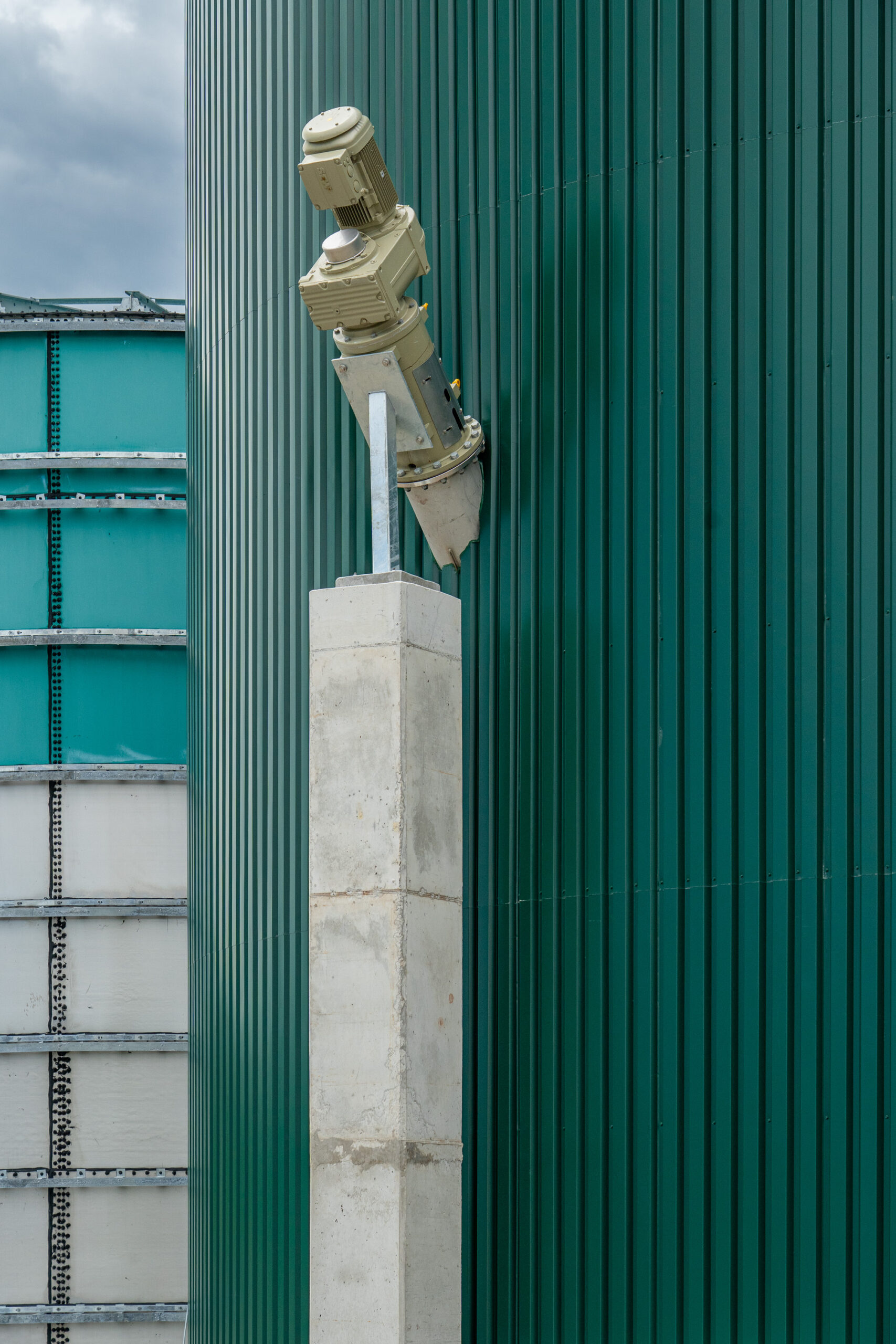
Generate Upcycle’s London, Ontario facility processes up to 225,000 tonnes of organic waste annually and can produce up to 832,000 GJ of renewable natural gas—enough to heat about 9,400 homes. The company has invested more than $175 million in Ontario over the past five years, and the facility supports 22 full-time jobs in London and about 20 more across the province.
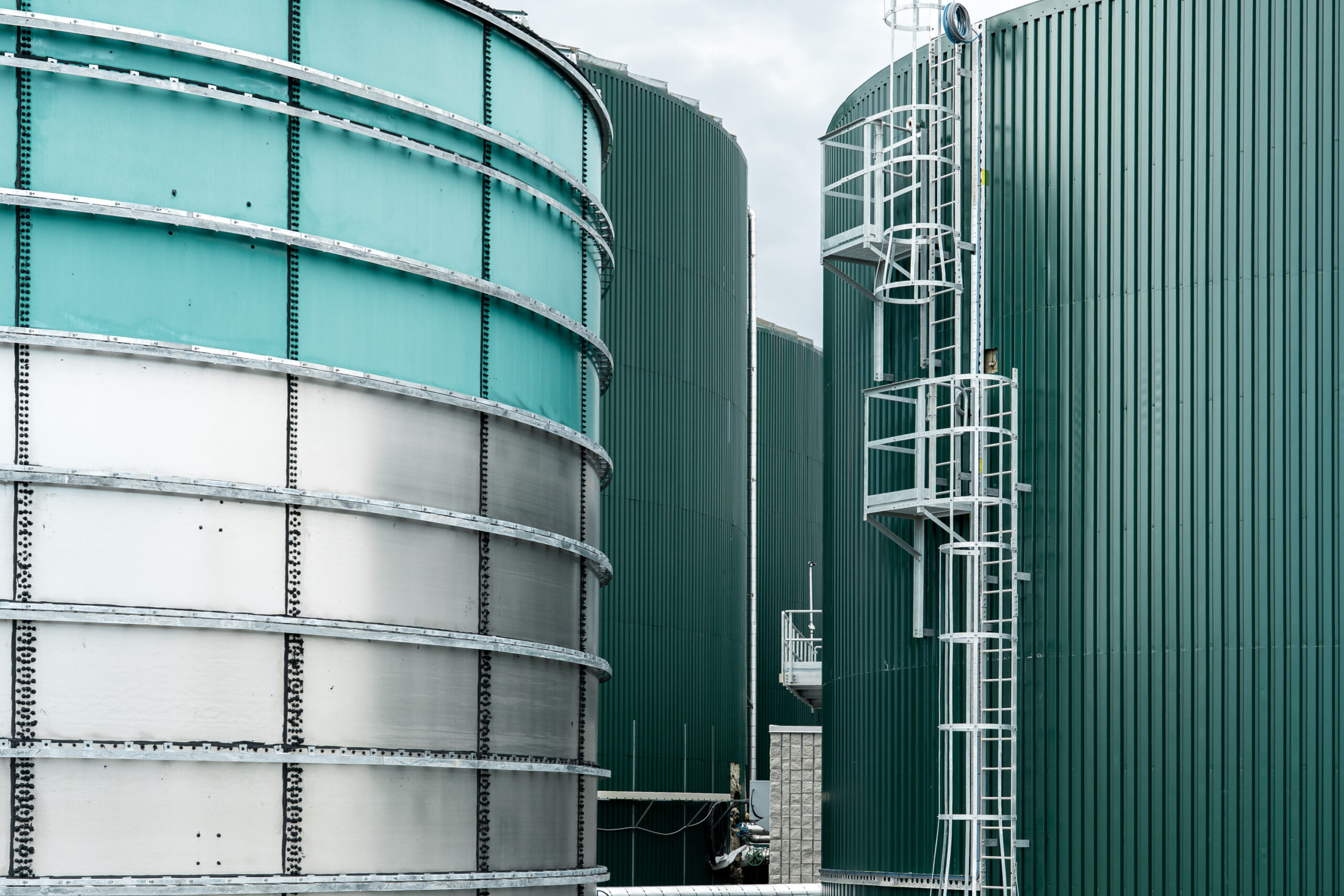
Generate Upcycle’s London, Ontario facility processes up to 225,000 tonnes of organic waste annually and can produce up to 832,000 GJ of renewable natural gas—enough to heat about 9,400 homes. The company has invested more than $175 million in Ontario over the past five years, and the facility supports 22 full-time jobs in London and about 20 more across the province.
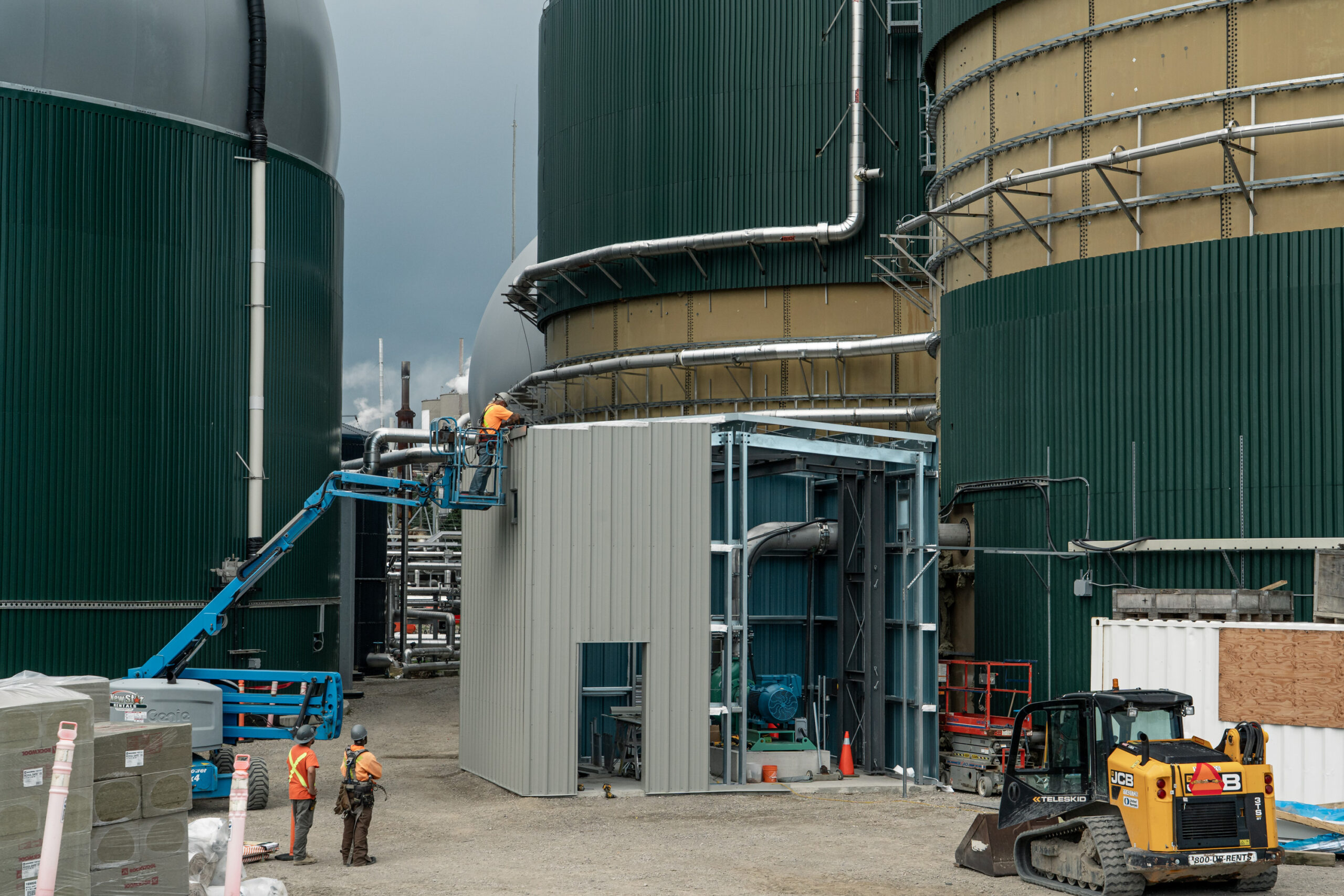
Generate Upcycle’s London, Ontario facility processes up to 225,000 tonnes of organic waste annually and can produce up to 832,000 GJ of renewable natural gas—enough to heat about 9,400 homes. The company has invested more than $175 million in Ontario over the past five years, and the facility supports 22 full-time jobs in London and about 20 more across the province.
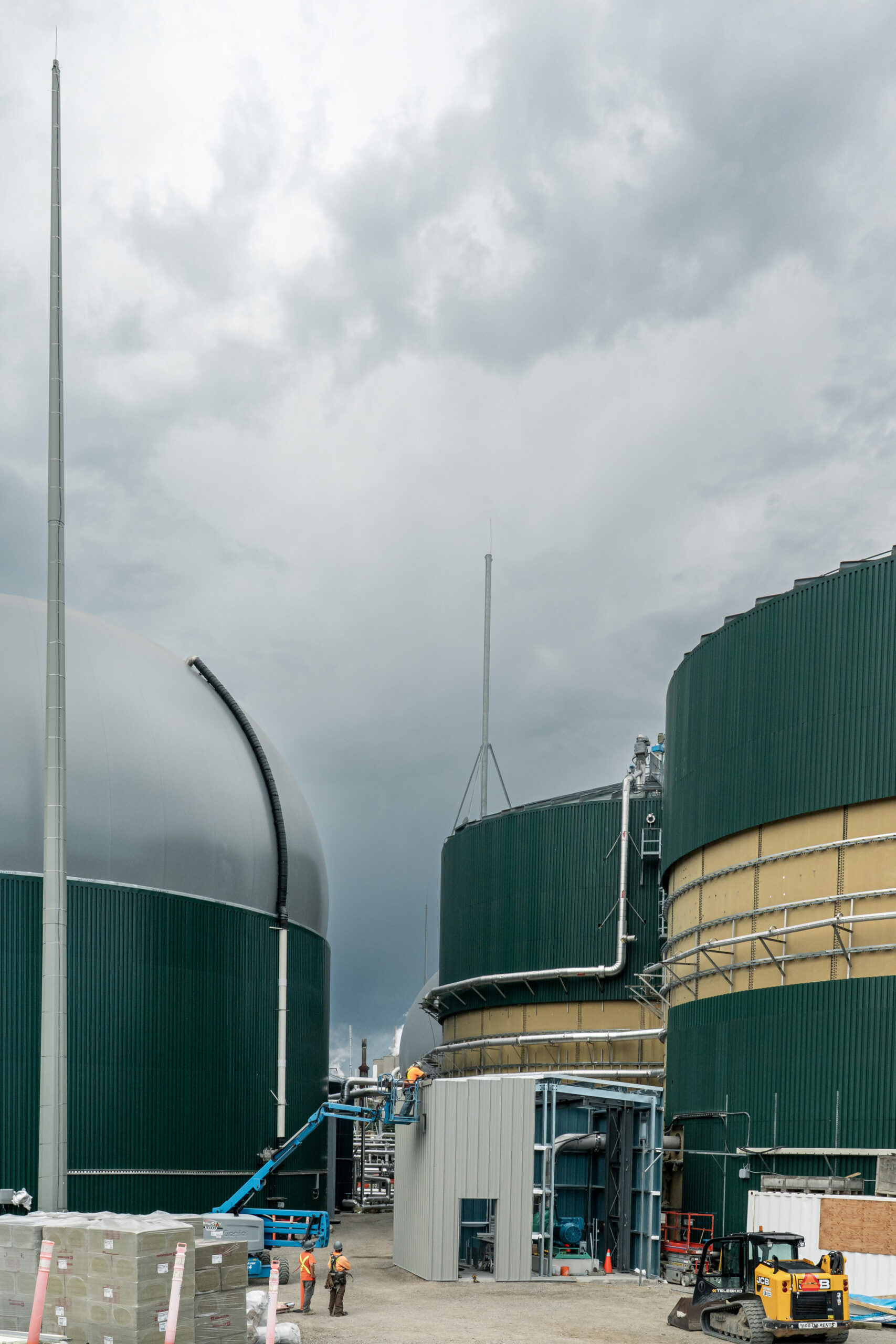
Generate Upcycle’s London, Ontario facility processes up to 225,000 tonnes of organic waste annually and can produce up to 832,000 GJ of renewable natural gas—enough to heat about 9,400 homes. The company has invested more than $175 million in Ontario over the past five years, and the facility supports 22 full-time jobs in London and about 20 more across the province.

Generate Upcycle’s London, Ontario facility processes up to 225,000 tonnes of organic waste annually and can produce up to 832,000 GJ of renewable natural gas—enough to heat about 9,400 homes. The company has invested more than $175 million in Ontario over the past five years, and the facility supports 22 full-time jobs in London and about 20 more across the province.
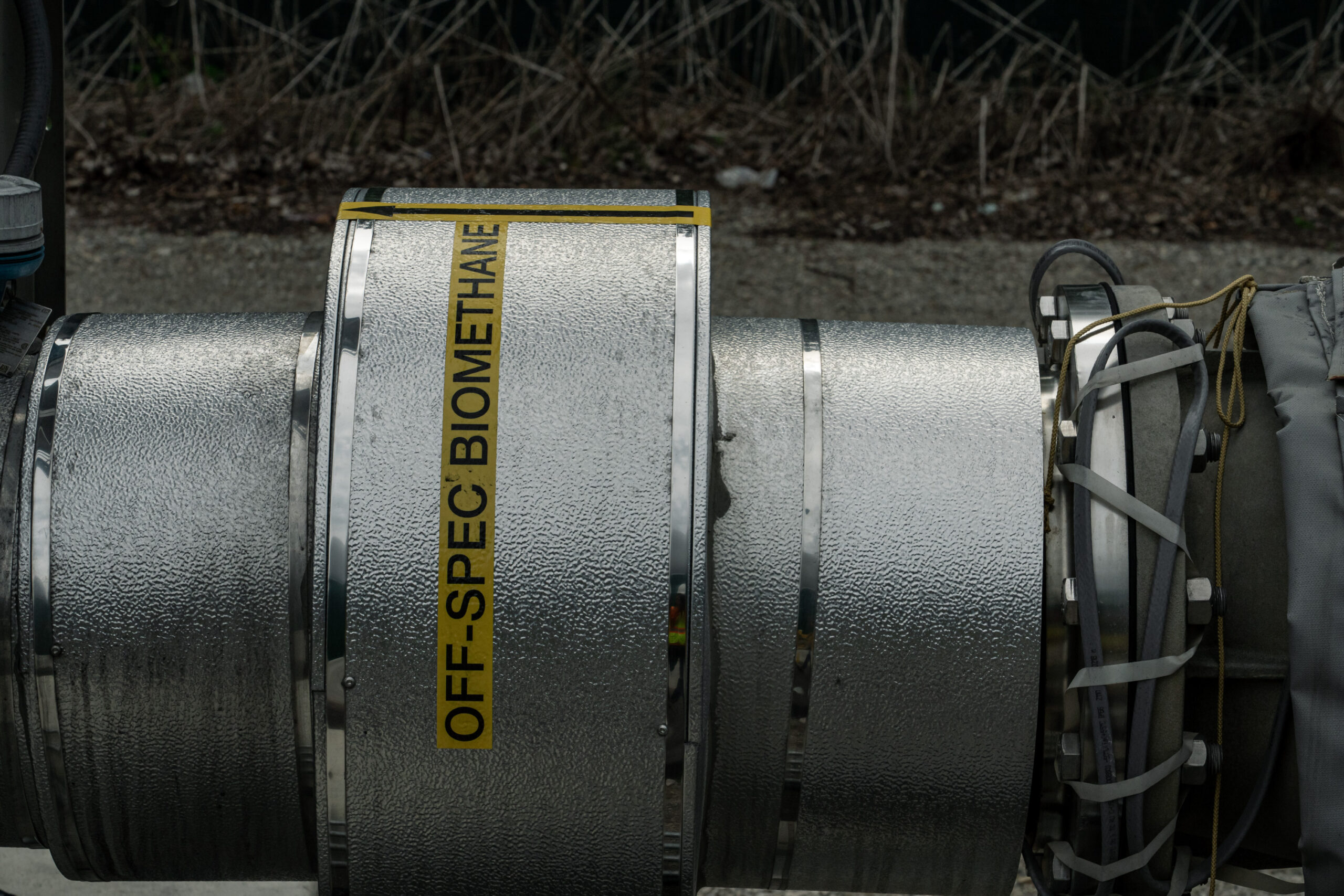
Generate Upcycle’s London, Ontario facility processes up to 225,000 tonnes of organic waste annually and can produce up to 832,000 GJ of renewable natural gas—enough to heat about 9,400 homes. The company has invested more than $175 million in Ontario over the past five years, and the facility supports 22 full-time jobs in London and about 20 more across the province.
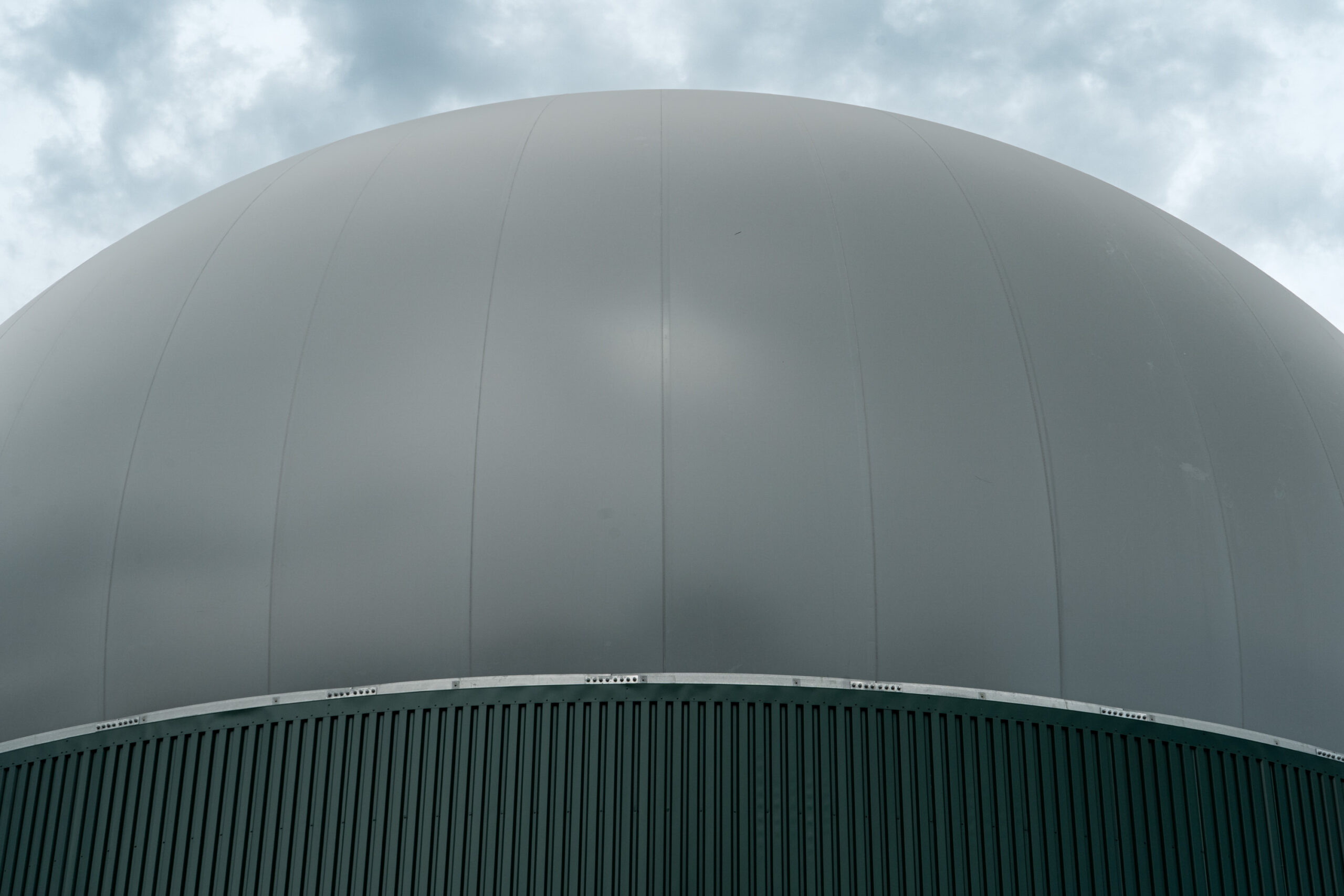
Generate Upcycle’s London, Ontario facility processes up to 225,000 tonnes of organic waste annually and can produce up to 832,000 GJ of renewable natural gas—enough to heat about 9,400 homes. The company has invested more than $175 million in Ontario over the past five years, and the facility supports 22 full-time jobs in London and about 20 more across the province.
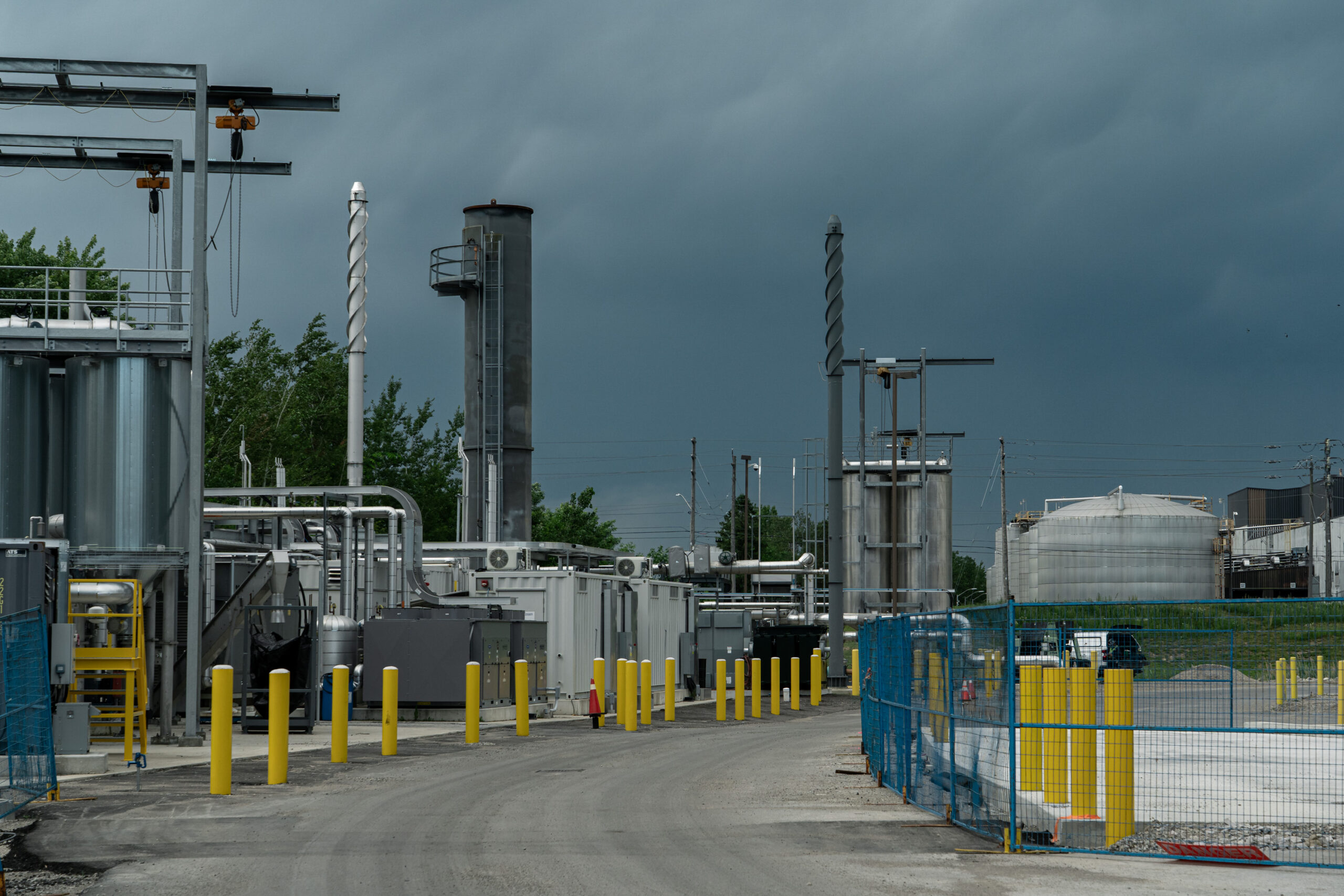
Generate Upcycle’s London, Ontario facility processes up to 225,000 tonnes of organic waste annually and can produce up to 832,000 GJ of renewable natural gas—enough to heat about 9,400 homes. The company has invested more than $175 million in Ontario over the past five years, and the facility supports 22 full-time jobs in London and about 20 more across the province.
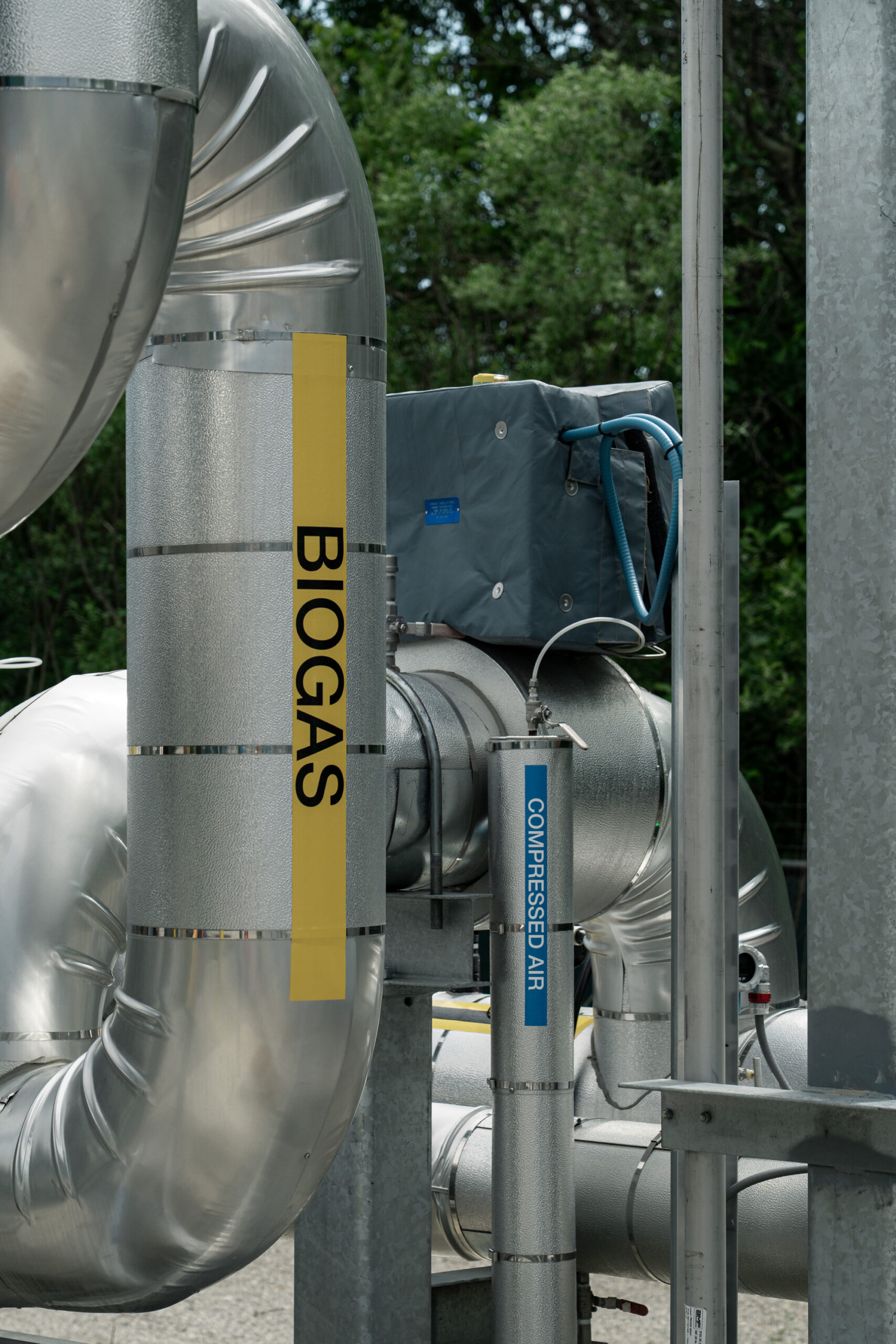
Generate Upcycle’s London, Ontario facility processes up to 225,000 tonnes of organic waste annually and can produce up to 832,000 GJ of renewable natural gas—enough to heat about 9,400 homes. The company has invested more than $175 million in Ontario over the past five years, and the facility supports 22 full-time jobs in London and about 20 more across the province.

Generate Upcycle’s London, Ontario facility processes up to 225,000 tonnes of organic waste annually and can produce up to 832,000 GJ of renewable natural gas—enough to heat about 9,400 homes. The company has invested more than $175 million in Ontario over the past five years, and the facility supports 22 full-time jobs in London and about 20 more across the province.
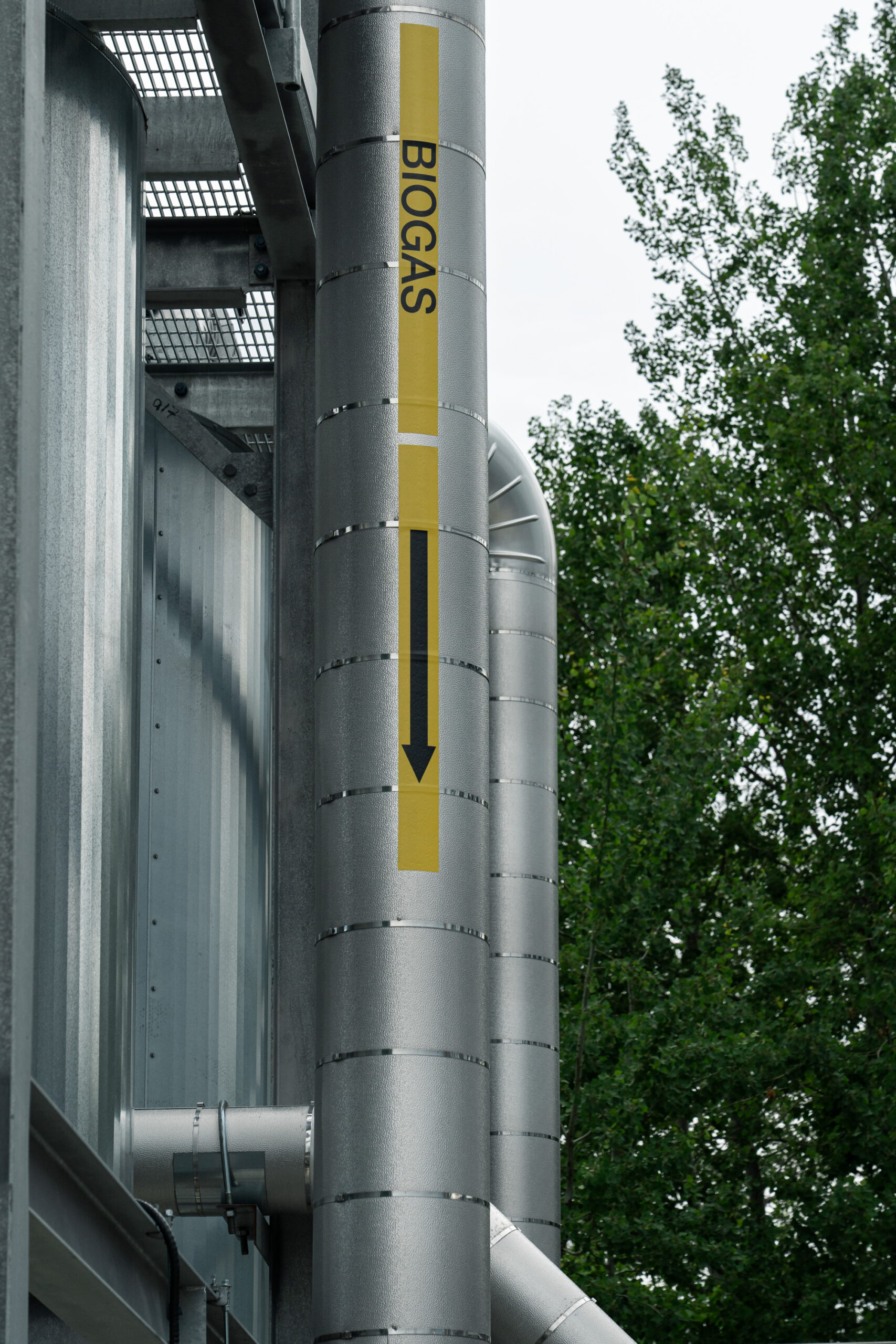
Generate Upcycle’s London, Ontario facility processes up to 225,000 tonnes of organic waste annually and can produce up to 832,000 GJ of renewable natural gas—enough to heat about 9,400 homes. The company has invested more than $175 million in Ontario over the past five years, and the facility supports 22 full-time jobs in London and about 20 more across the province.
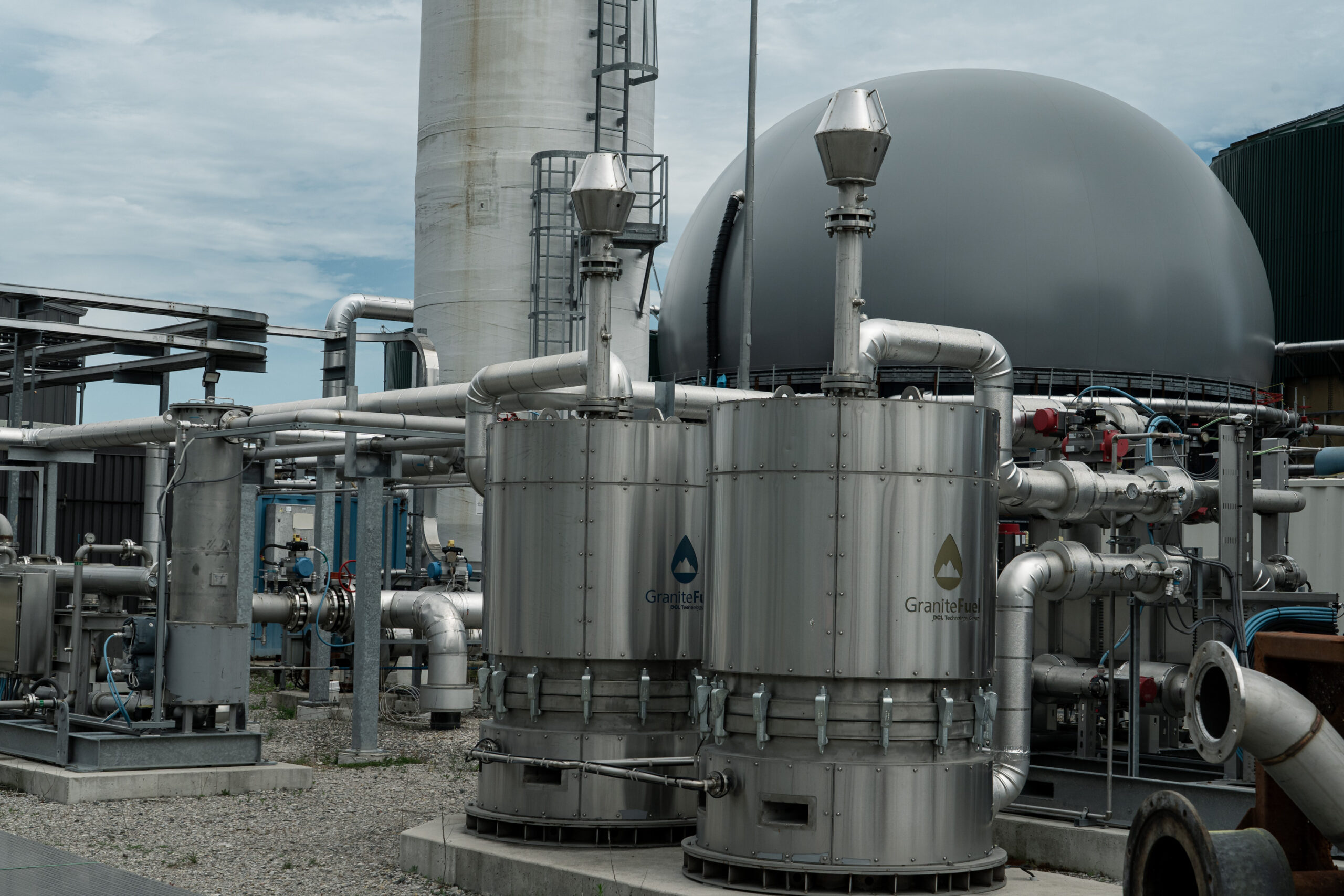
Generate Upcycle’s London, Ontario facility processes up to 225,000 tonnes of organic waste annually and can produce up to 832,000 GJ of renewable natural gas—enough to heat about 9,400 homes. The company has invested more than $175 million in Ontario over the past five years, and the facility supports 22 full-time jobs in London and about 20 more across the province.
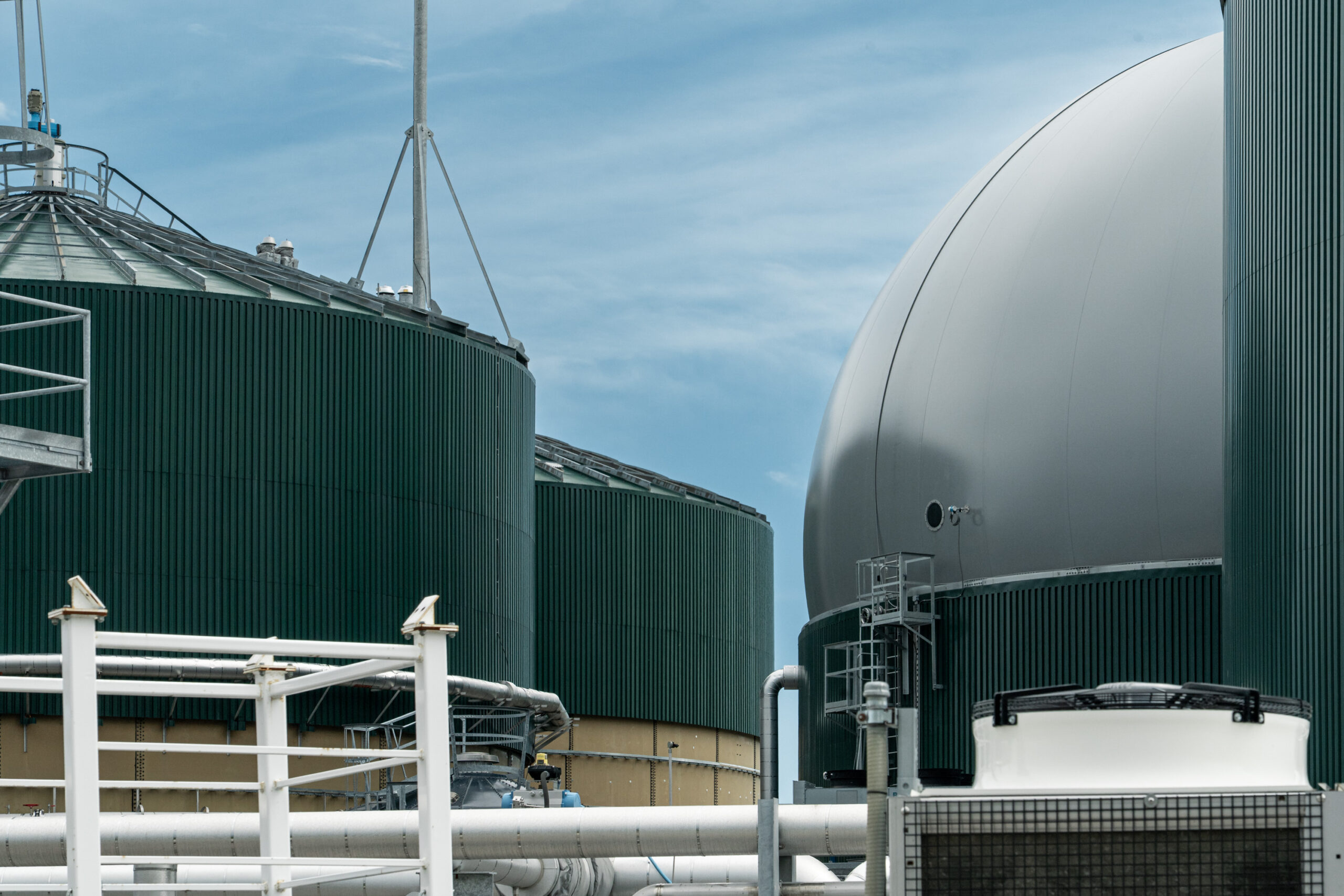
Generate Upcycle’s London, Ontario facility processes up to 225,000 tonnes of organic waste annually and can produce up to 832,000 GJ of renewable natural gas—enough to heat about 9,400 homes. The company has invested more than $175 million in Ontario over the past five years, and the facility supports 22 full-time jobs in London and about 20 more across the province.
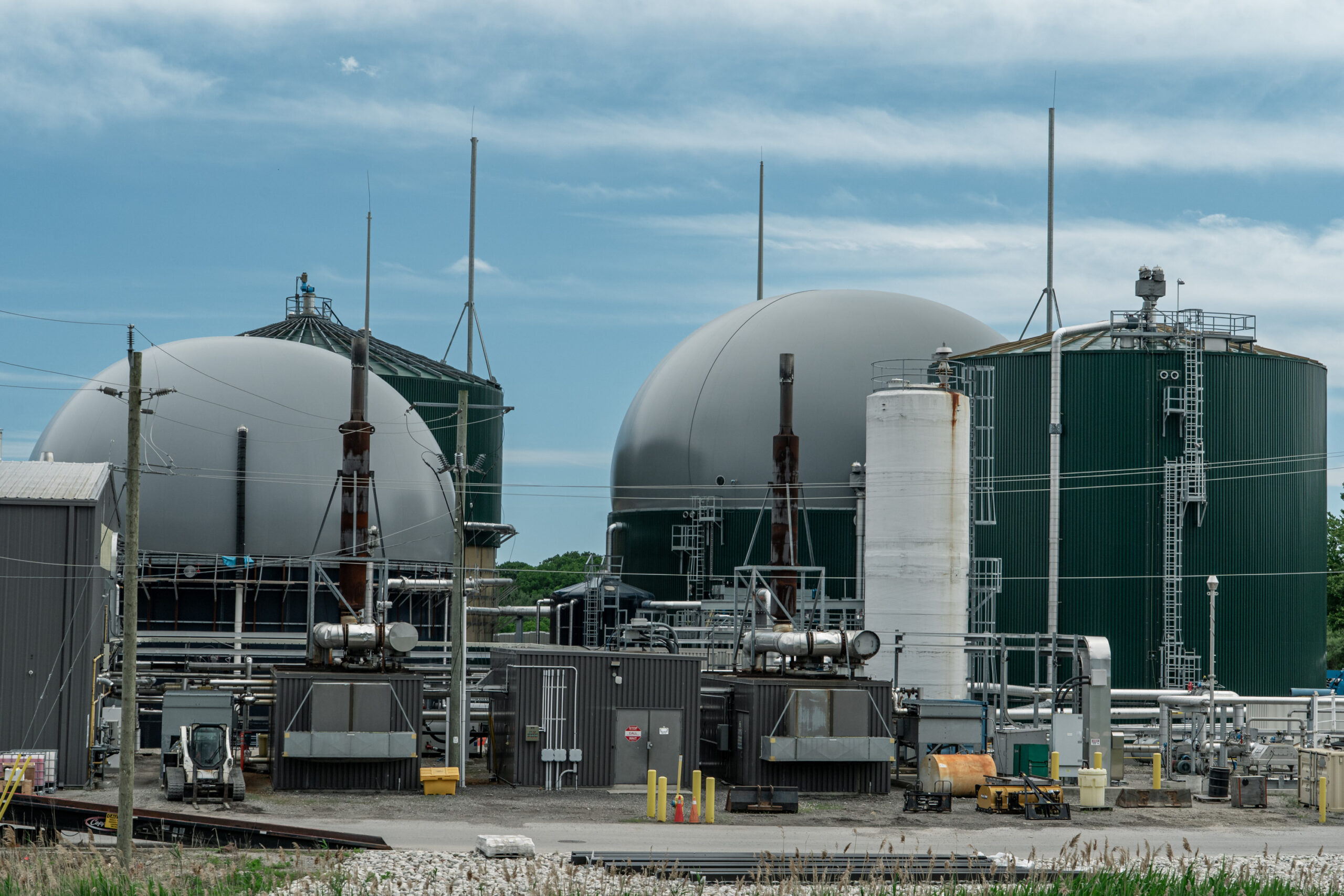
Generate Upcycle’s London, Ontario facility processes up to 225,000 tonnes of organic waste annually and can produce up to 832,000 GJ of renewable natural gas—enough to heat about 9,400 homes. The company has invested more than $175 million in Ontario over the past five years, and the facility supports 22 full-time jobs in London and about 20 more across the province.
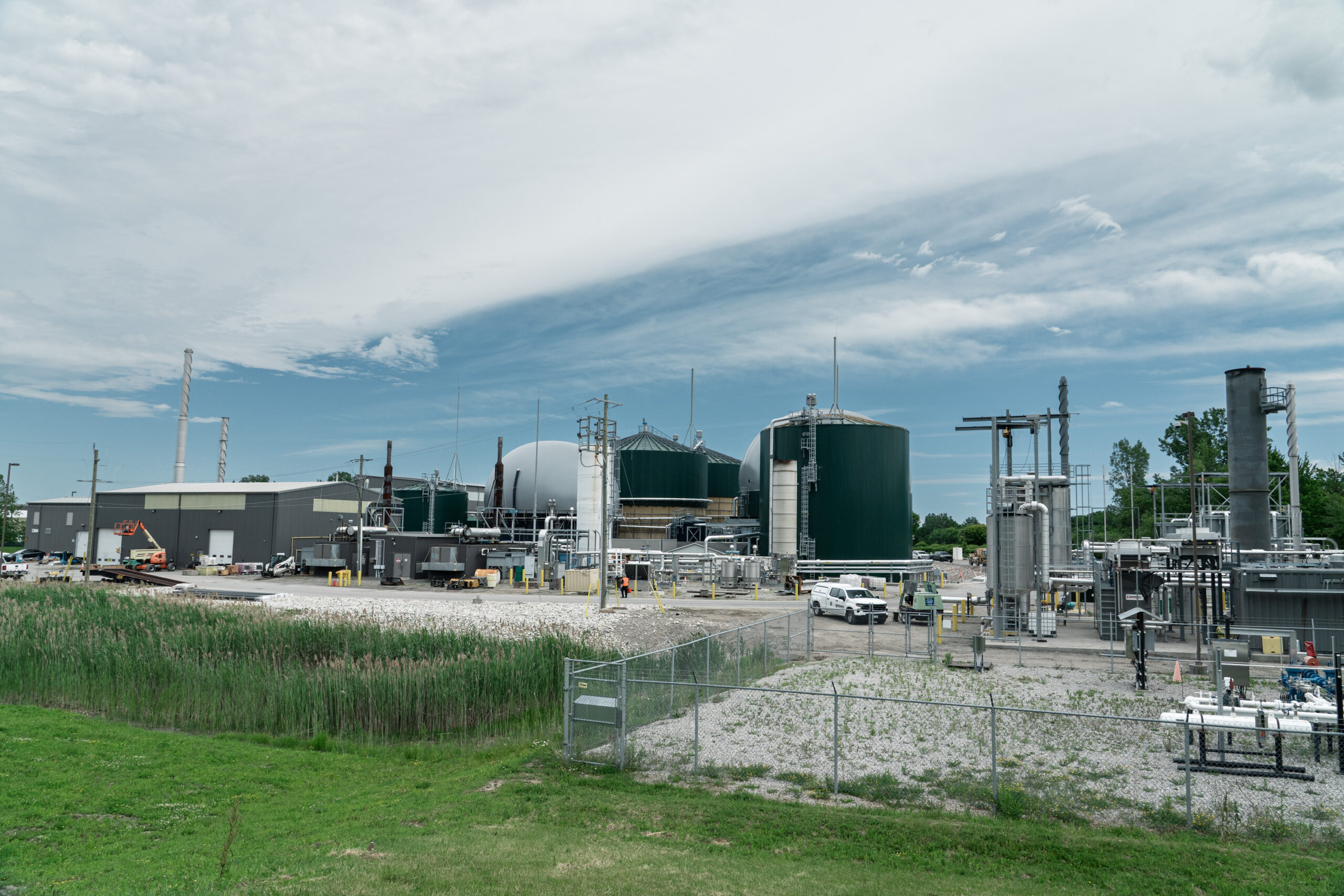
Generate Upcycle’s London, Ontario facility processes up to 225,000 tonnes of organic waste annually and can produce up to 832,000 GJ of renewable natural gas—enough to heat about 9,400 homes. The company has invested more than $175 million in Ontario over the past five years, and the facility supports 22 full-time jobs in London and about 20 more across the province.
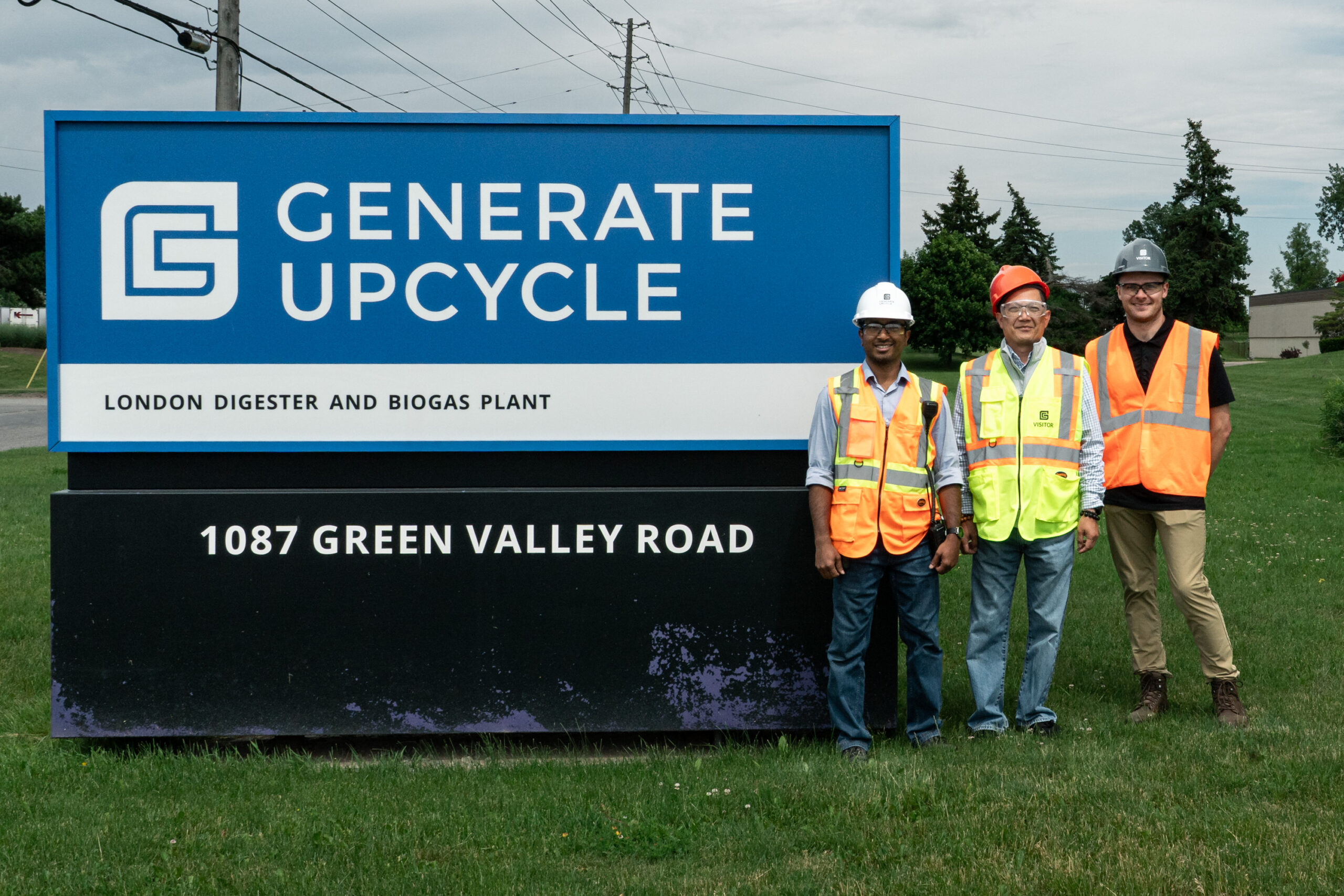
Generate Upcycle’s London, Ontario facility processes up to 225,000 tonnes of organic waste annually and can produce up to 832,000 GJ of renewable natural gas—enough to heat about 9,400 homes. The company has invested more than $175 million in Ontario over the past five years, and the facility supports 22 full-time jobs in London and about 20 more across the province.
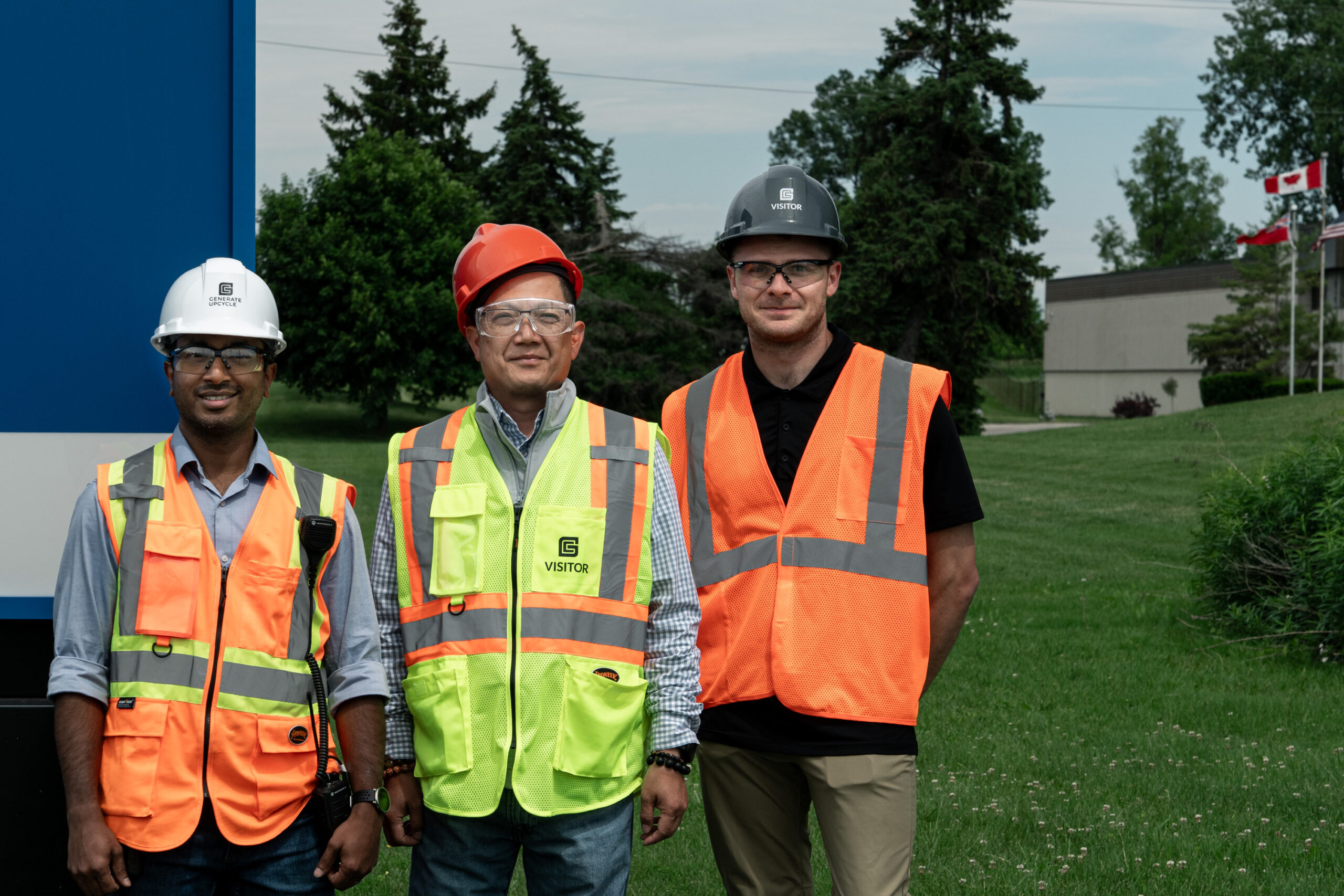
Generate Upcycle’s London, Ontario facility processes up to 225,000 tonnes of organic waste annually and can produce up to 832,000 GJ of renewable natural gas—enough to heat about 9,400 homes. The company has invested more than $175 million in Ontario over the past five years, and the facility supports 22 full-time jobs in London and about 20 more across the province.

Henvey Inlet Wind Energy Centre, Ontario — A 300 MW, 87-turbine wind project on Henvey Inlet First Nation reserve lands near Georgian Bay. Commissioned in 2019, the project is jointly owned by Henvey Inlet First Nation, through Nigig Power Corporation, and Pattern Energy. It includes a roughly 100 km transmission line connecting the project to Ontario’s electricity grid. Henvey Inlet was developed under a First Nation-led environmental stewardship regime, with extensive monitoring of local species and habitats. The project provides long-term revenue, ownership and economic benefits to the community and is Canada’s largest First Nation wind energy partnership.

Henvey Inlet Wind Energy Centre, Ontario — A 300 MW, 87-turbine wind project on Henvey Inlet First Nation reserve lands near Georgian Bay. Commissioned in 2019, the project is jointly owned by Henvey Inlet First Nation, through Nigig Power Corporation, and Pattern Energy. It includes a roughly 100 km transmission line connecting the project to Ontario’s electricity grid. Henvey Inlet was developed under a First Nation-led environmental stewardship regime, with extensive monitoring of local species and habitats. The project provides long-term revenue, ownership and economic benefits to the community and is Canada’s largest First Nation wind energy partnership.

Henvey Inlet Wind Energy Centre, Ontario — A 300 MW, 87-turbine wind project on Henvey Inlet First Nation reserve lands near Georgian Bay. Commissioned in 2019, the project is jointly owned by Henvey Inlet First Nation, through Nigig Power Corporation, and Pattern Energy. It includes a roughly 100 km transmission line connecting the project to Ontario’s electricity grid. Henvey Inlet was developed under a First Nation-led environmental stewardship regime, with extensive monitoring of local species and habitats. The project provides long-term revenue, ownership and economic benefits to the community and is Canada’s largest First Nation wind energy partnership.

Henvey Inlet Wind Energy Centre, Ontario — A 300 MW, 87-turbine wind project on Henvey Inlet First Nation reserve lands near Georgian Bay. Commissioned in 2019, the project is jointly owned by Henvey Inlet First Nation, through Nigig Power Corporation, and Pattern Energy. It includes a roughly 100 km transmission line connecting the project to Ontario’s electricity grid. Henvey Inlet was developed under a First Nation-led environmental stewardship regime, with extensive monitoring of local species and habitats. The project provides long-term revenue, ownership and economic benefits to the community and is Canada’s largest First Nation wind energy partnership.

Henvey Inlet Wind Energy Centre, Ontario — A 300 MW, 87-turbine wind project on Henvey Inlet First Nation reserve lands near Georgian Bay. Commissioned in 2019, the project is jointly owned by Henvey Inlet First Nation, through Nigig Power Corporation, and Pattern Energy. It includes a roughly 100 km transmission line connecting the project to Ontario’s electricity grid. Henvey Inlet was developed under a First Nation-led environmental stewardship regime, with extensive monitoring of local species and habitats. The project provides long-term revenue, ownership and economic benefits to the community and is Canada’s largest First Nation wind energy partnership.

Henvey Inlet Wind Energy Centre, Ontario — A 300 MW, 87-turbine wind project on Henvey Inlet First Nation reserve lands near Georgian Bay. Commissioned in 2019, the project is jointly owned by Henvey Inlet First Nation, through Nigig Power Corporation, and Pattern Energy. It includes a roughly 100 km transmission line connecting the project to Ontario’s electricity grid. Henvey Inlet was developed under a First Nation-led environmental stewardship regime, with extensive monitoring of local species and habitats. The project provides long-term revenue, ownership and economic benefits to the community and is Canada’s largest First Nation wind energy partnership.

Henvey Inlet Wind Energy Centre, Ontario — A 300 MW, 87-turbine wind project on Henvey Inlet First Nation reserve lands near Georgian Bay. Commissioned in 2019, the project is jointly owned by Henvey Inlet First Nation, through Nigig Power Corporation, and Pattern Energy. It includes a roughly 100 km transmission line connecting the project to Ontario’s electricity grid. Henvey Inlet was developed under a First Nation-led environmental stewardship regime, with extensive monitoring of local species and habitats. The project provides long-term revenue, ownership and economic benefits to the community and is Canada’s largest First Nation wind energy partnership.

Henvey Inlet Wind Energy Centre, Ontario — A 300 MW, 87-turbine wind project on Henvey Inlet First Nation reserve lands near Georgian Bay. Commissioned in 2019, the project is jointly owned by Henvey Inlet First Nation, through Nigig Power Corporation, and Pattern Energy. It includes a roughly 100 km transmission line connecting the project to Ontario’s electricity grid. Henvey Inlet was developed under a First Nation-led environmental stewardship regime, with extensive monitoring of local species and habitats. The project provides long-term revenue, ownership and economic benefits to the community and is Canada’s largest First Nation wind energy partnership.

Henvey Inlet Wind Energy Centre, Ontario — A 300 MW, 87-turbine wind project on Henvey Inlet First Nation reserve lands near Georgian Bay. Commissioned in 2019, the project is jointly owned by Henvey Inlet First Nation, through Nigig Power Corporation, and Pattern Energy. It includes a roughly 100 km transmission line connecting the project to Ontario’s electricity grid. Henvey Inlet was developed under a First Nation-led environmental stewardship regime, with extensive monitoring of local species and habitats. The project provides long-term revenue, ownership and economic benefits to the community and is Canada’s largest First Nation wind energy partnership.

Henvey Inlet Wind Energy Centre, Ontario — A 300 MW, 87-turbine wind project on Henvey Inlet First Nation reserve lands near Georgian Bay. Commissioned in 2019, the project is jointly owned by Henvey Inlet First Nation, through Nigig Power Corporation, and Pattern Energy. It includes a roughly 100 km transmission line connecting the project to Ontario’s electricity grid. Henvey Inlet was developed under a First Nation-led environmental stewardship regime, with extensive monitoring of local species and habitats. The project provides long-term revenue, ownership and economic benefits to the community and is Canada’s largest First Nation wind energy partnership.

Henvey Inlet Wind Energy Centre, Ontario — A 300 MW, 87-turbine wind project on Henvey Inlet First Nation reserve lands near Georgian Bay. Commissioned in 2019, the project is jointly owned by Henvey Inlet First Nation, through Nigig Power Corporation, and Pattern Energy. It includes a roughly 100 km transmission line connecting the project to Ontario’s electricity grid. Henvey Inlet was developed under a First Nation-led environmental stewardship regime, with extensive monitoring of local species and habitats. The project provides long-term revenue, ownership and economic benefits to the community and is Canada’s largest First Nation wind energy partnership.

Henvey Inlet Wind Energy Centre, Ontario — A 300 MW, 87-turbine wind project on Henvey Inlet First Nation reserve lands near Georgian Bay. Commissioned in 2019, the project is jointly owned by Henvey Inlet First Nation, through Nigig Power Corporation, and Pattern Energy. Henvey Inlet was developed under a First Nation-led environmental stewardship regime, with extensive monitoring of local species and habitats. This includes bat roosts built around the wind project The project provides long-term revenue, ownership and economic benefits to the community and is Canada’s largest First Nation wind energy partnership.

Henvey Inlet Wind Energy Centre, Ontario — A 300 MW, 87-turbine wind project on Henvey Inlet First Nation reserve lands near Georgian Bay. Commissioned in 2019, the project is jointly owned by Henvey Inlet First Nation, through Nigig Power Corporation, and Pattern Energy. It includes a roughly 100 km transmission line connecting the project to Ontario’s electricity grid. Henvey Inlet was developed under a First Nation-led environmental stewardship regime, with extensive monitoring of local species and habitats. The project provides long-term revenue, ownership and economic benefits to the community and is Canada’s largest First Nation wind energy partnership.

Henvey Inlet Wind Energy Centre, Ontario — A 300 MW, 87-turbine wind project on Henvey Inlet First Nation reserve lands near Georgian Bay. Commissioned in 2019, the project is jointly owned by Henvey Inlet First Nation, through Nigig Power Corporation, and Pattern Energy. It includes a roughly 100 km transmission line connecting the project to Ontario’s electricity grid. Henvey Inlet was developed under a First Nation-led environmental stewardship regime, with extensive monitoring of local species and habitats. The project provides long-term revenue, ownership and economic benefits to the community and is Canada’s largest First Nation wind energy partnership.
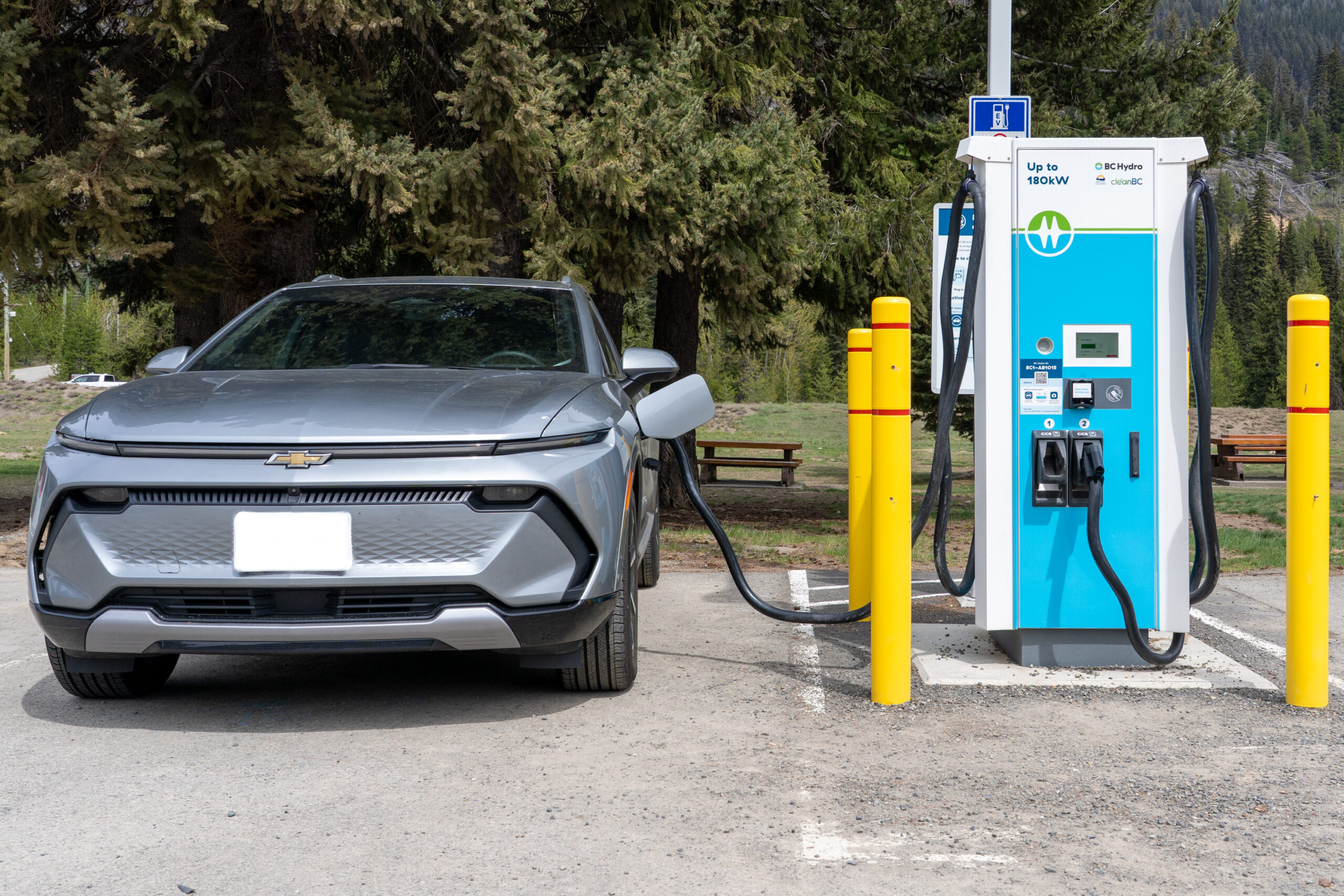
Charging station in Canada
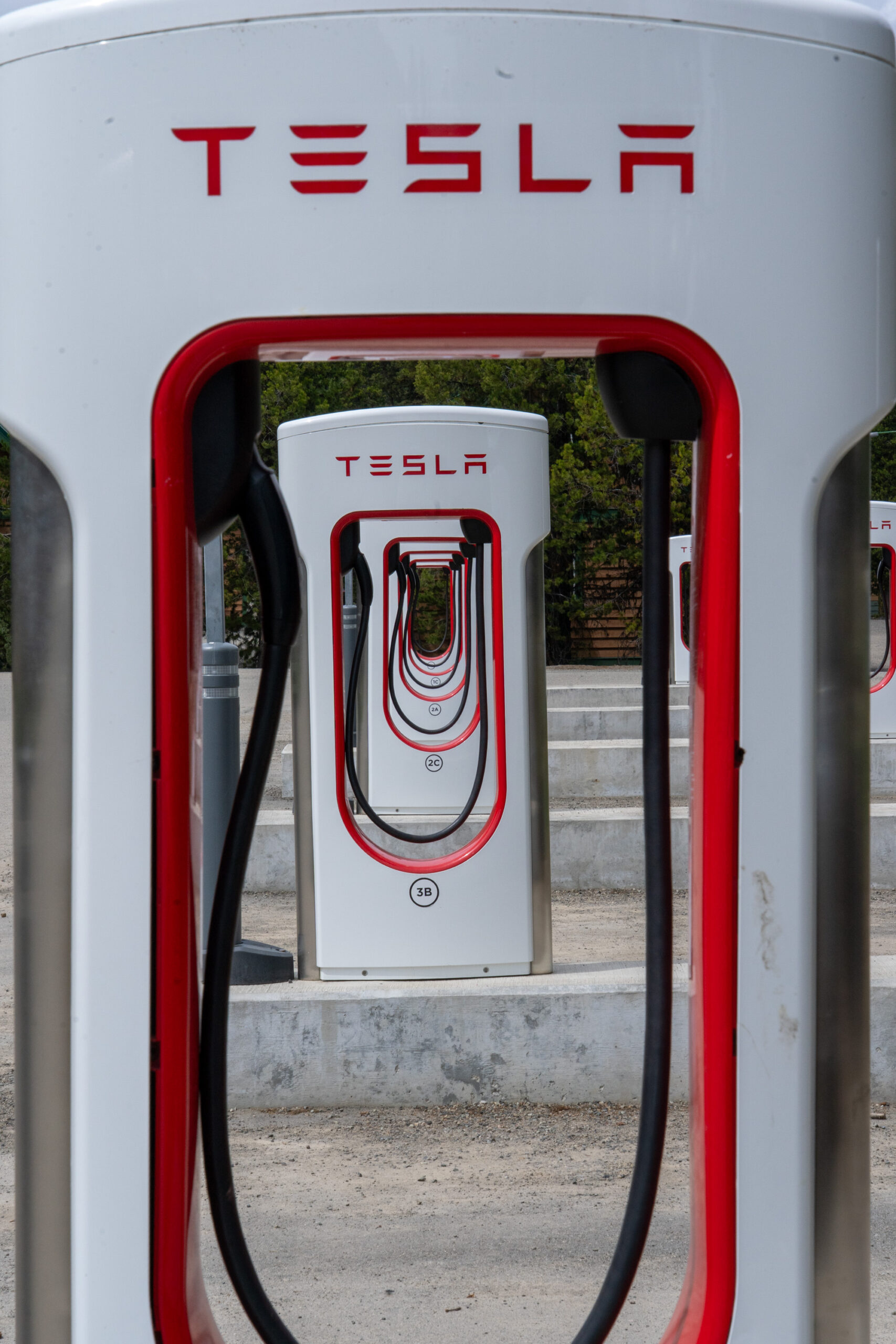
Charging station in Canada
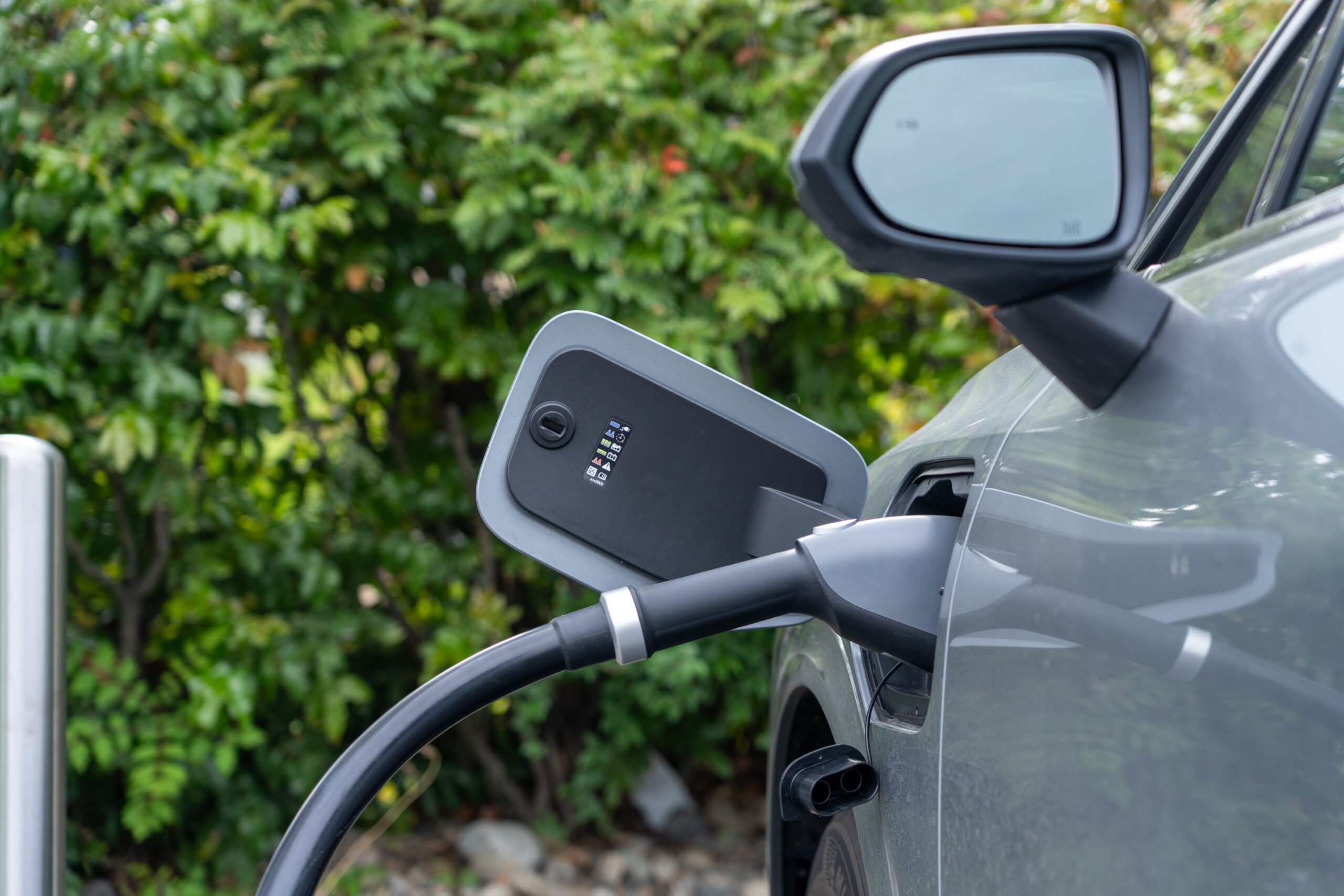
Charging station in Canada
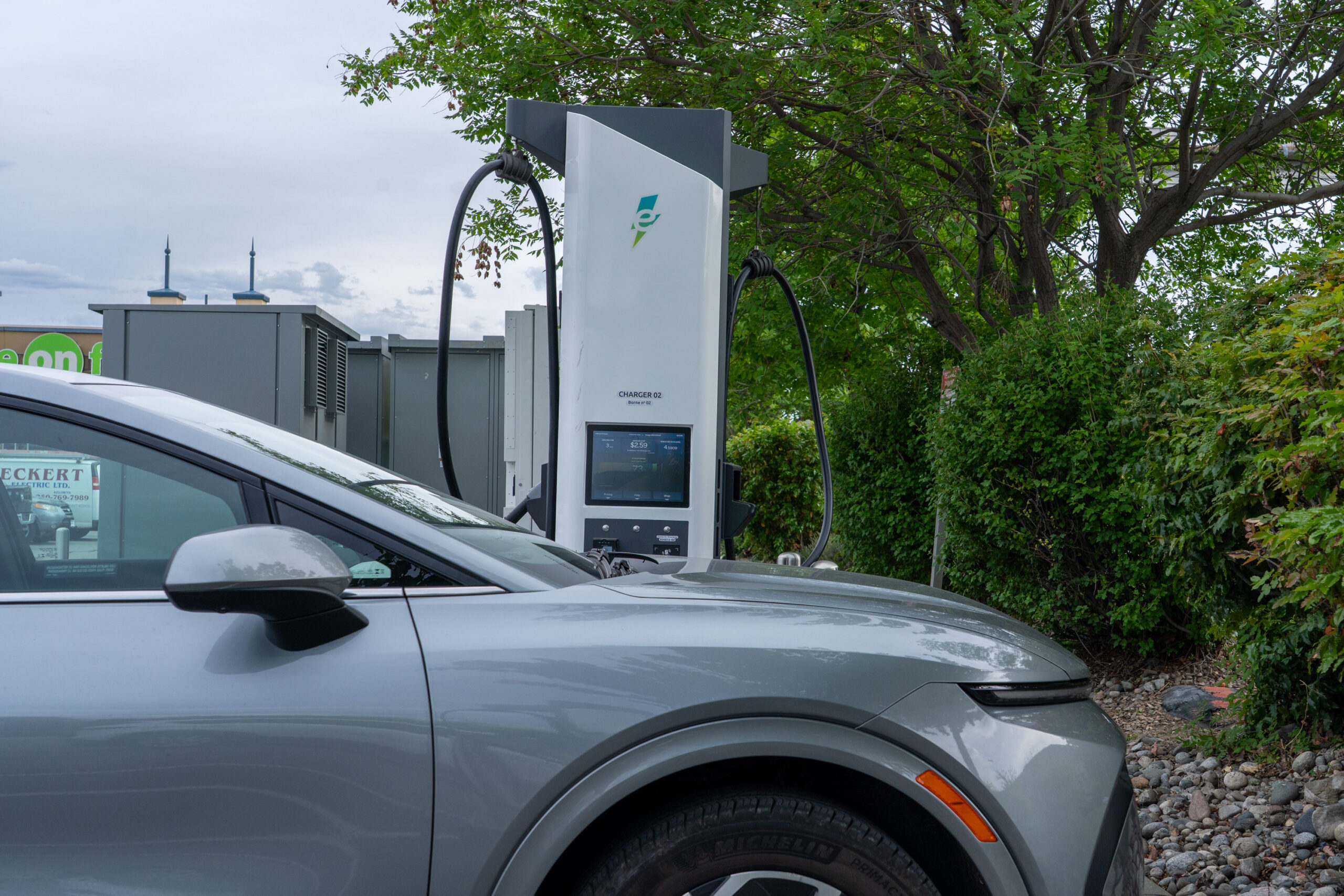
Charging station in Canada
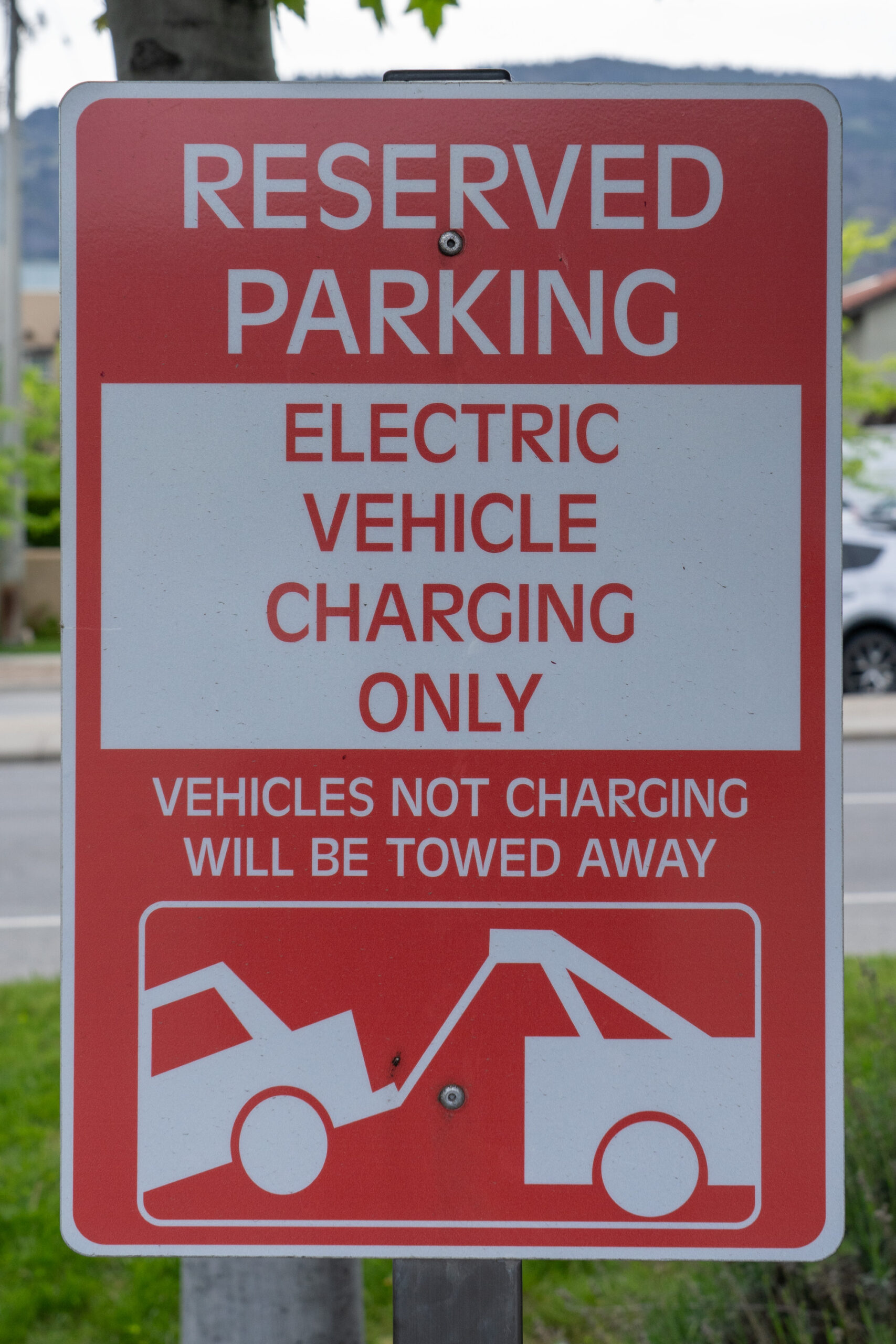
Charging station in Canada
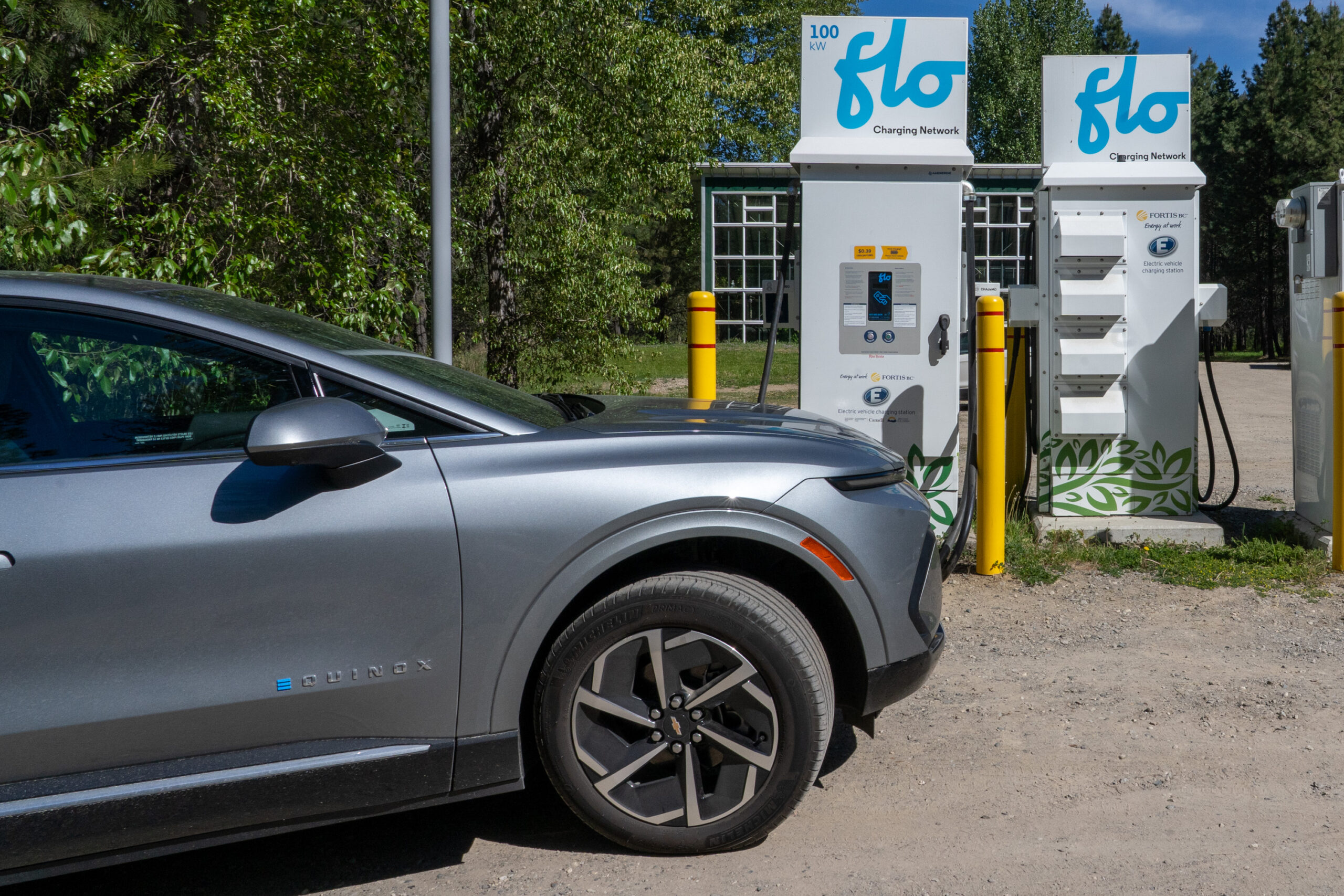
Charging station in Canada
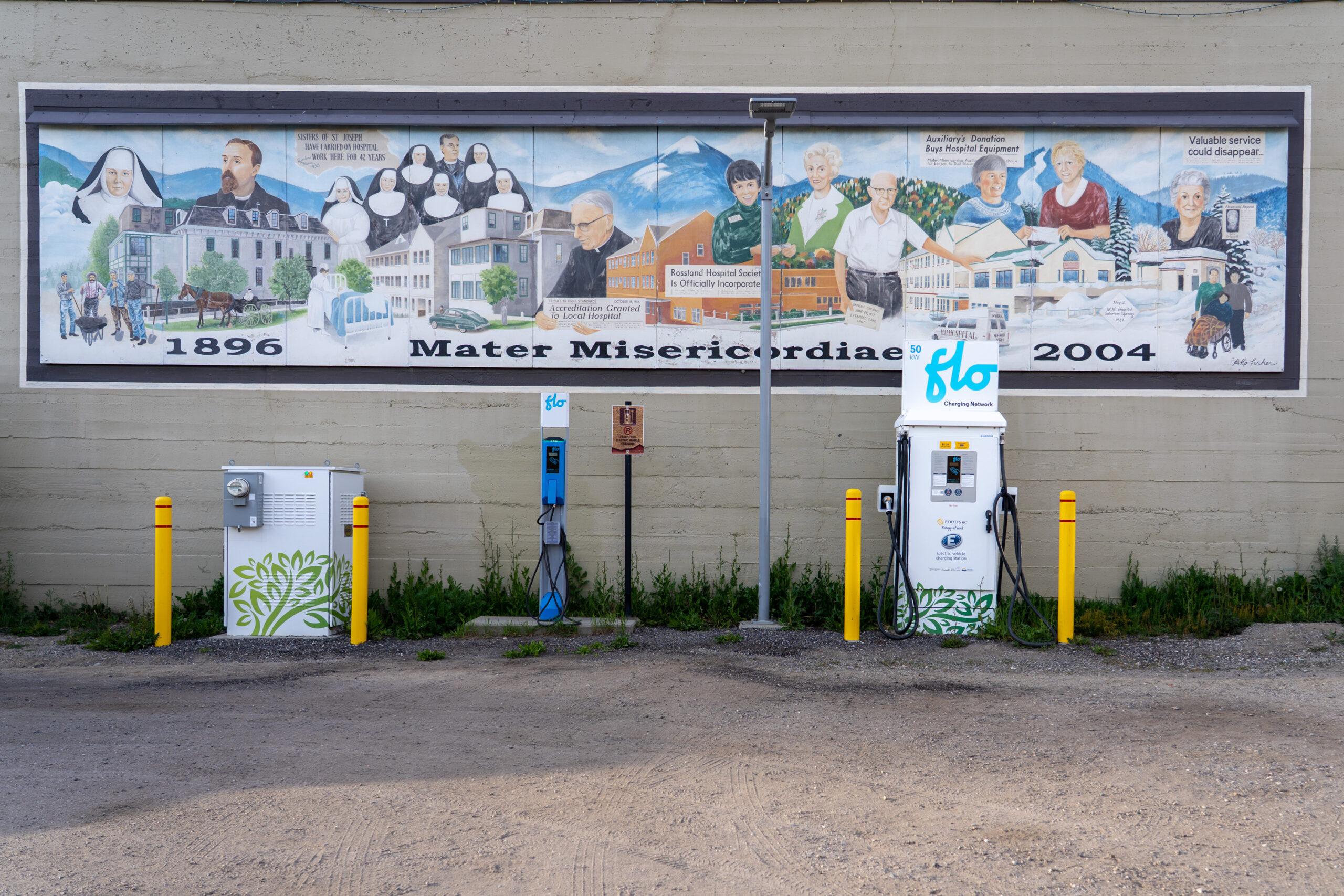
Charging station in Canada
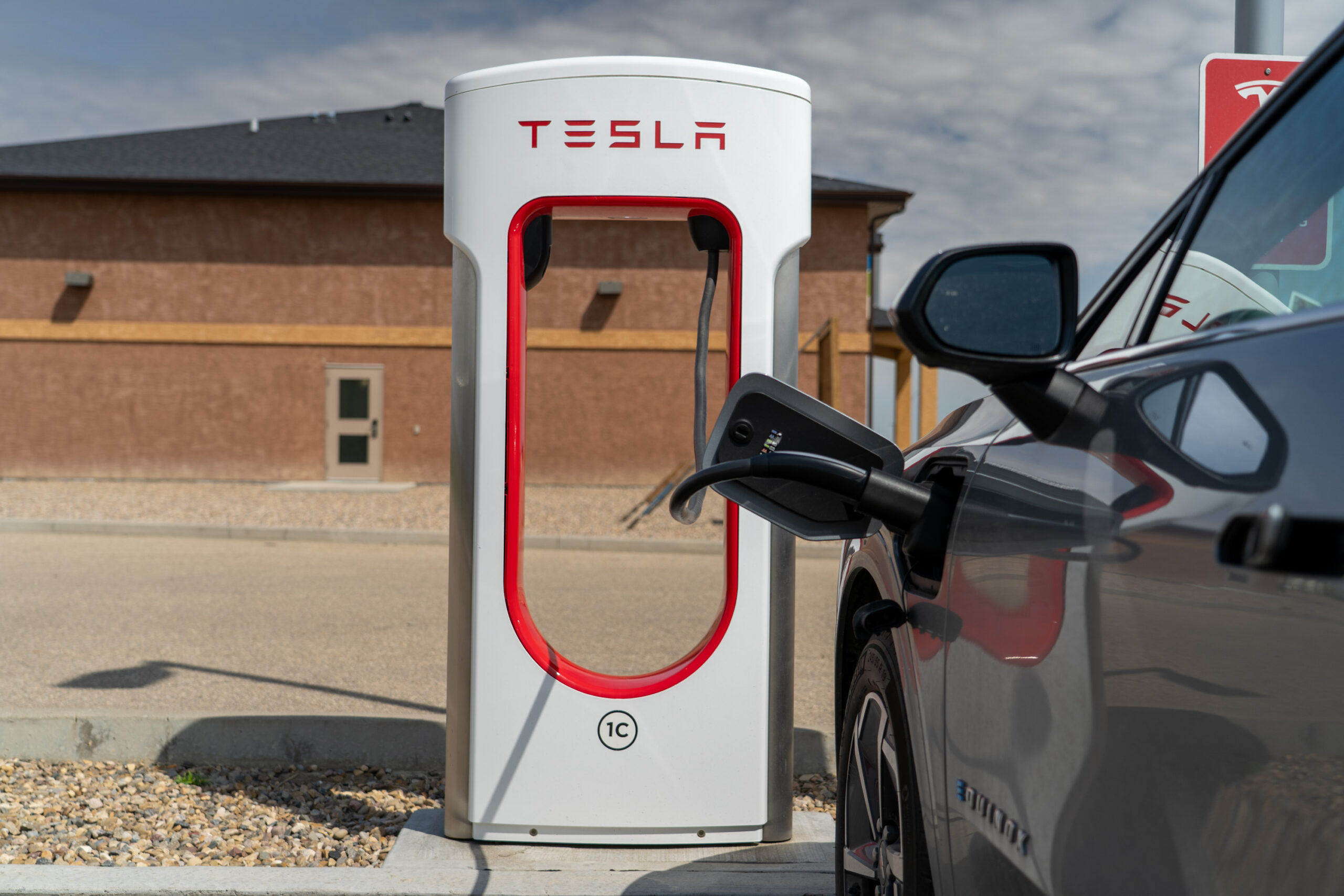
Charging station in Canada
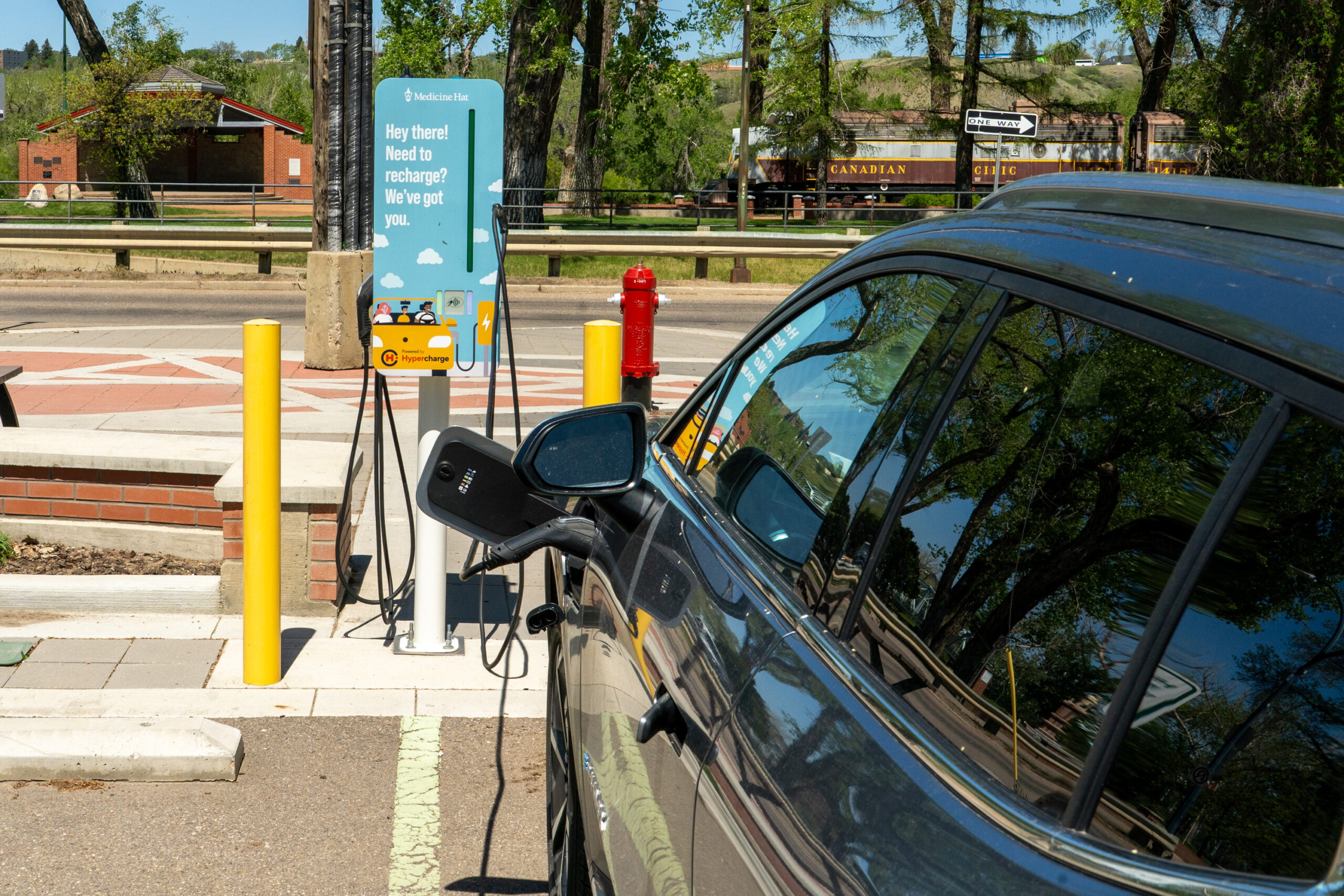
Charging station in Canada
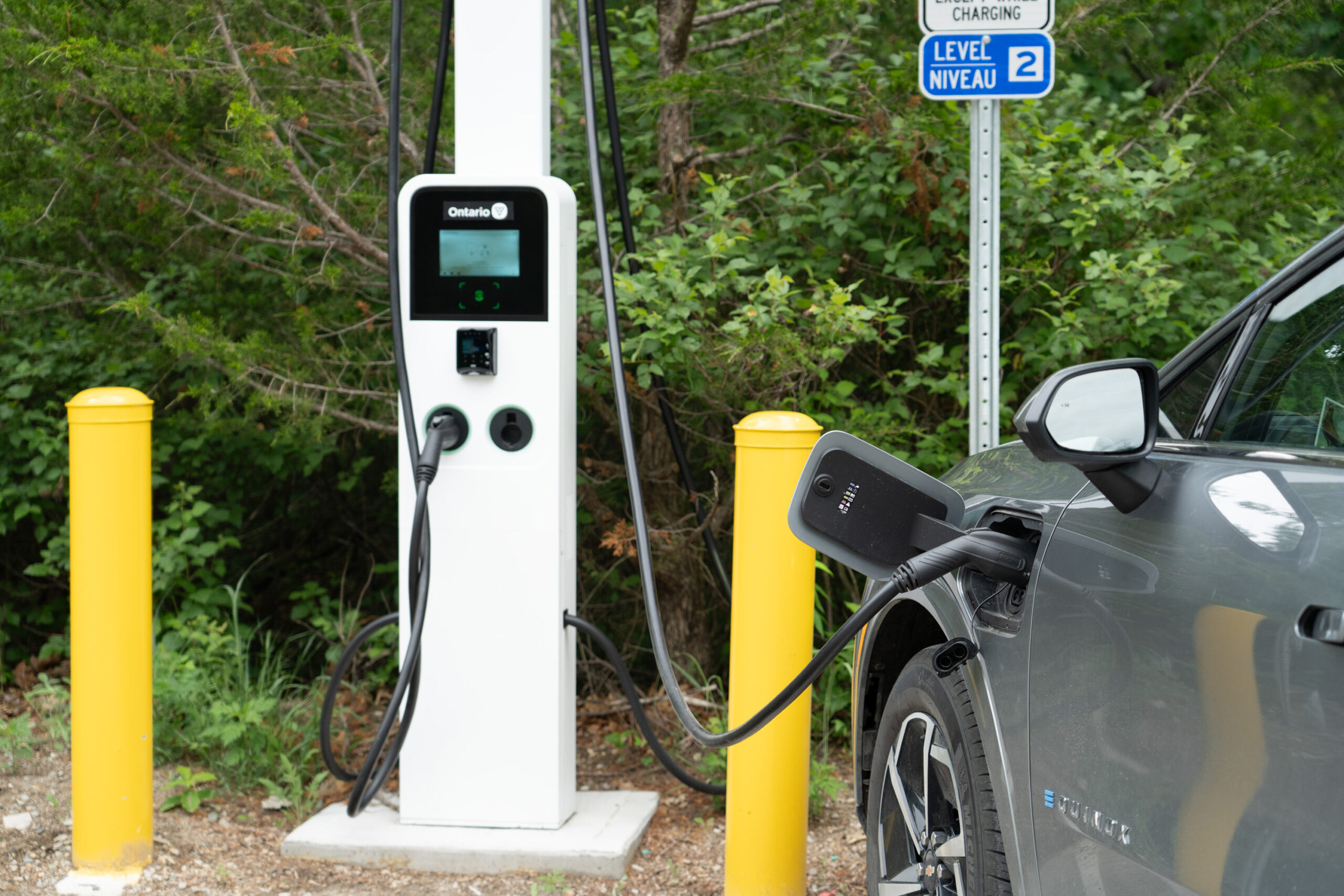
Charging station in Canada
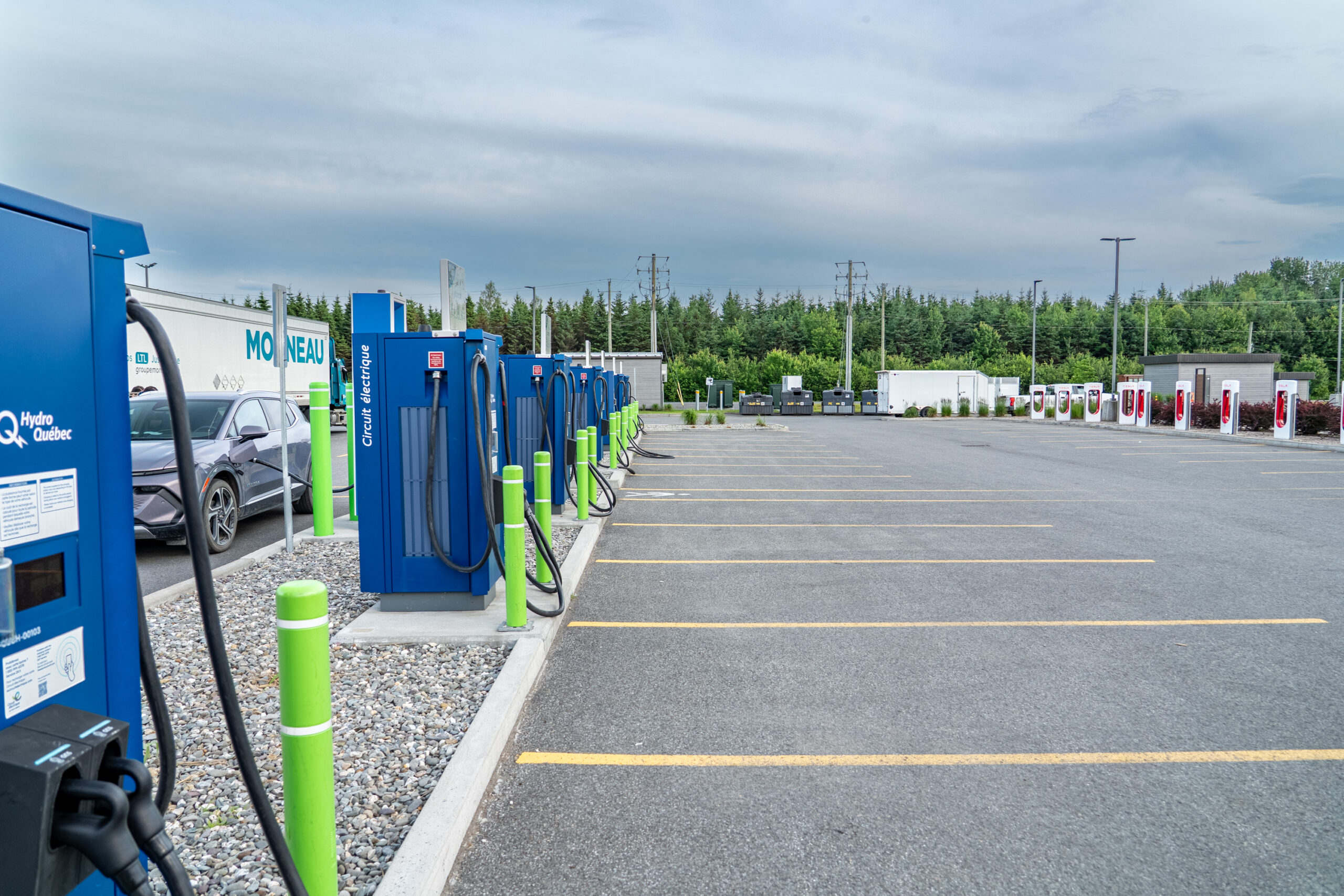
Charging station in Canada
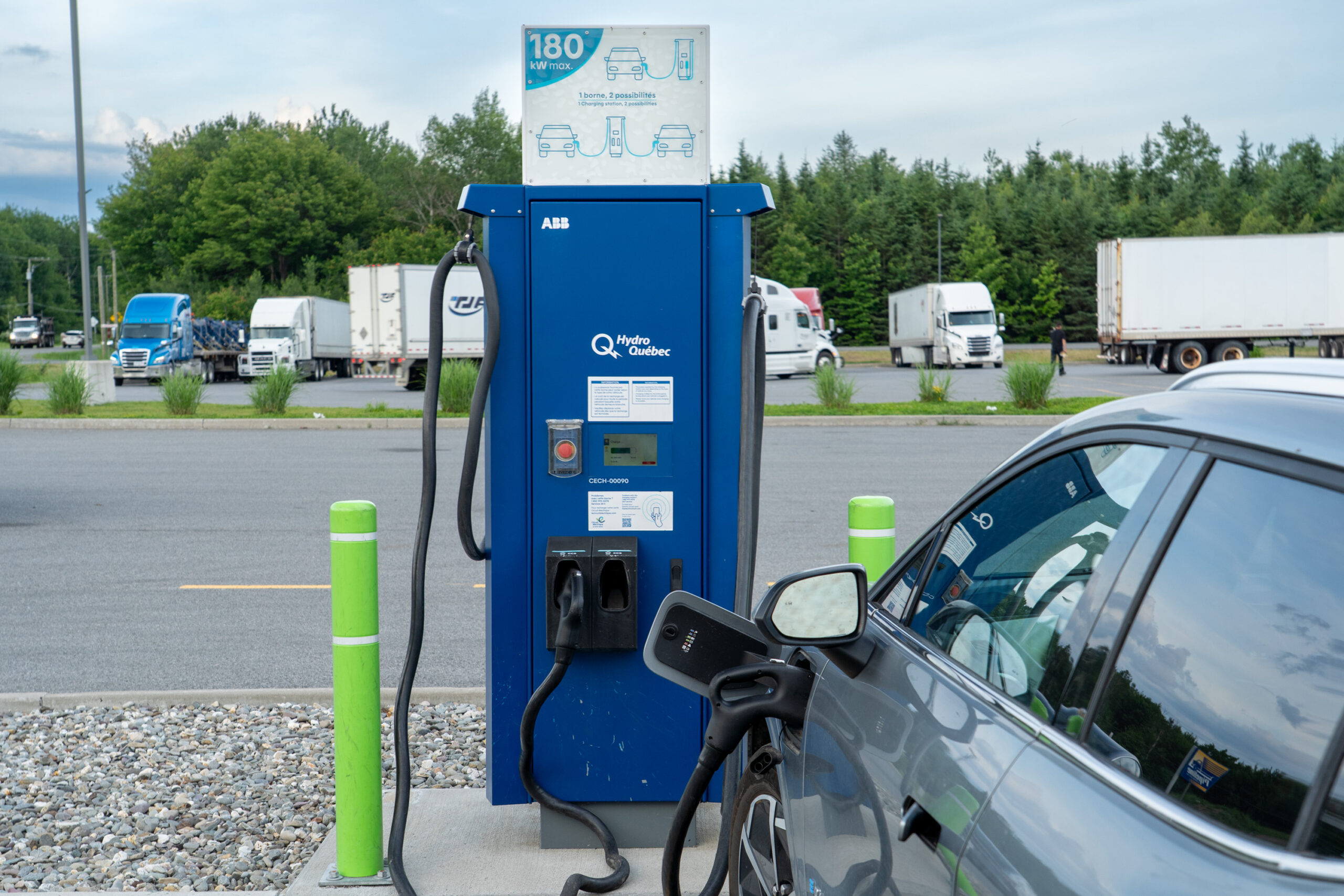
Charging station in Canada
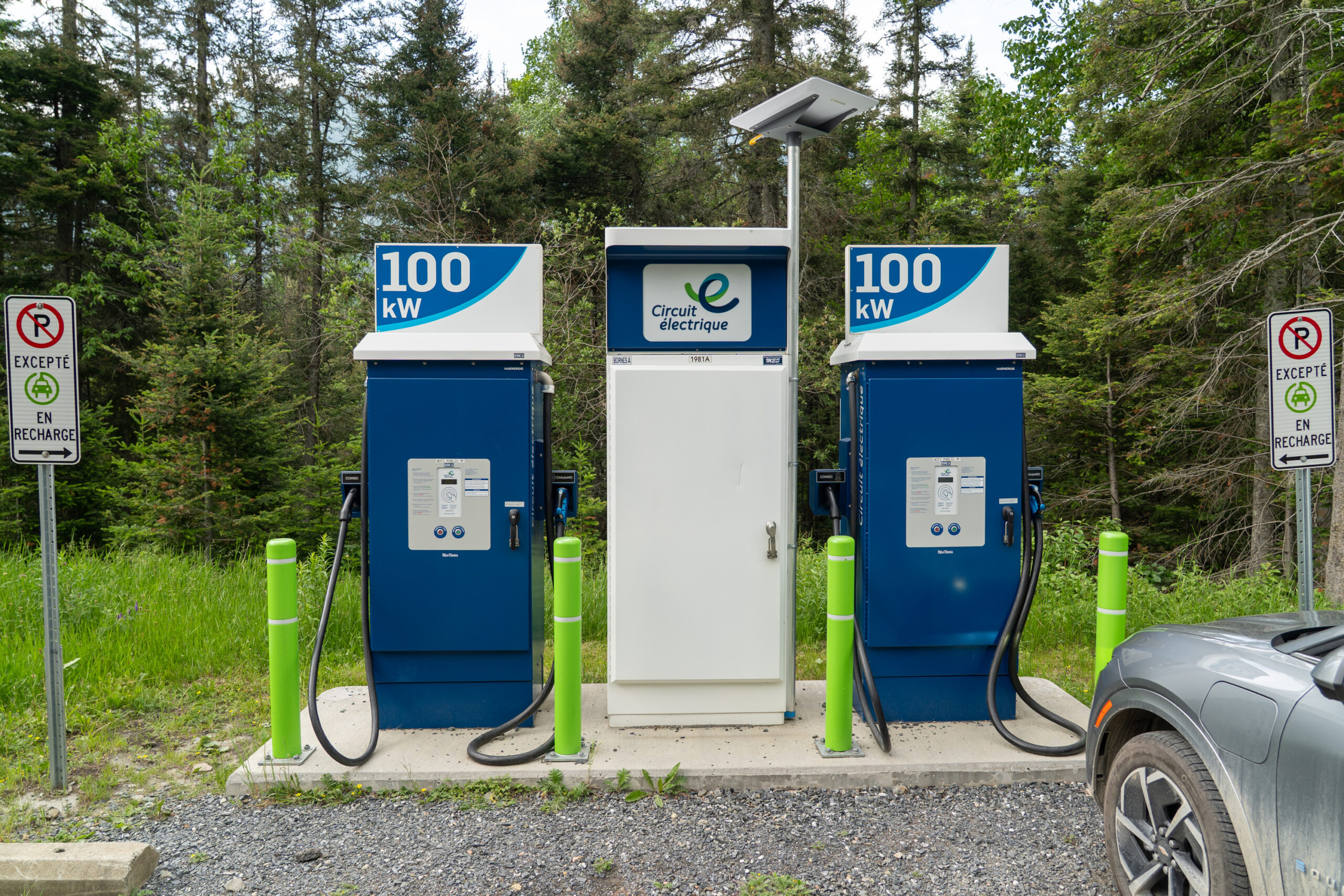
Charging station in Canada
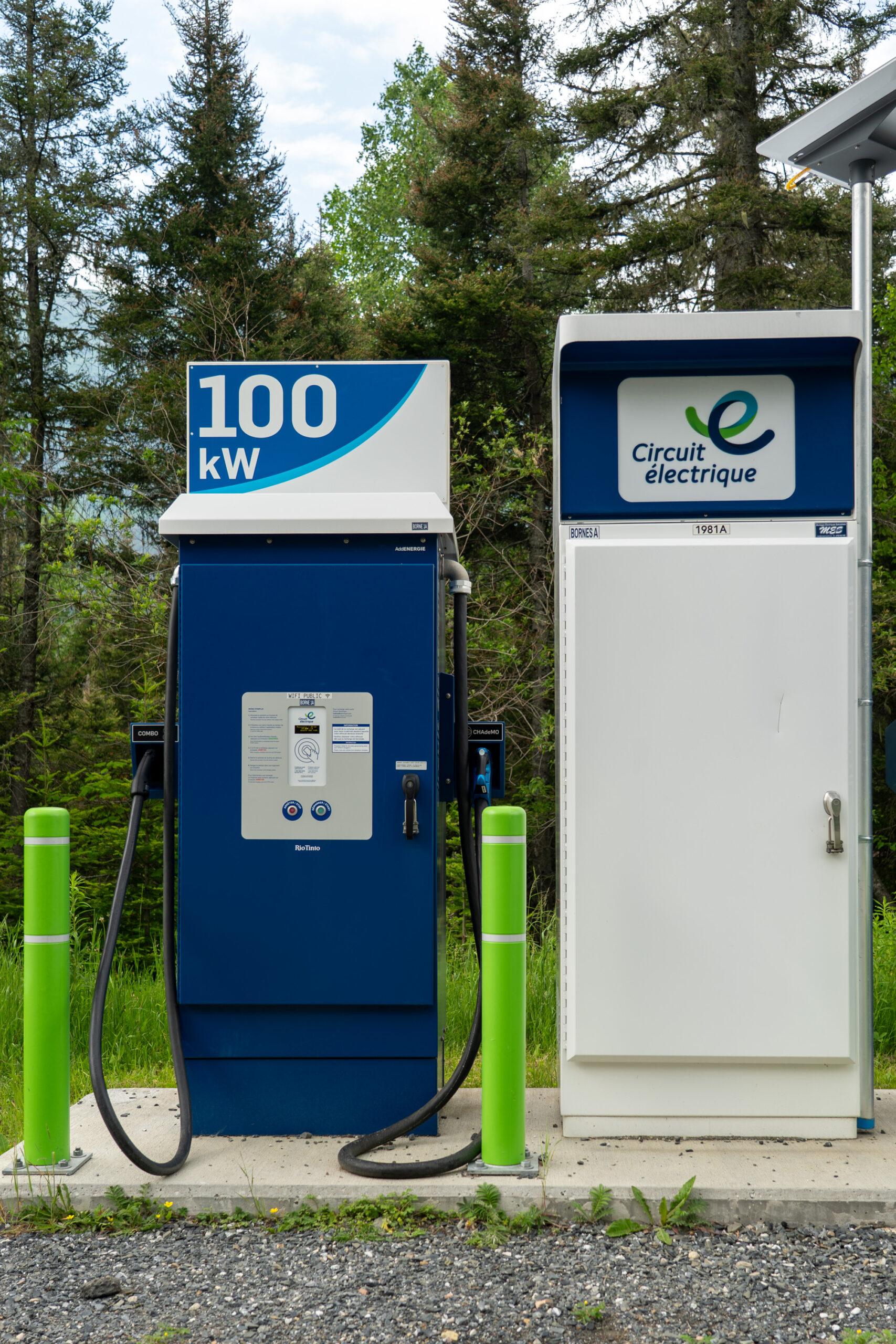
Charging station in Canada

An electric vehicle charges at a Parks Canada charging station, part of a national effort to make Canada’s parks and remote natural areas more accessible to electric vehicles. In 2019, Parks Canada partnered with Tesla, which donated more than 350 Level 2 charging stations for installation across national parks, historic sites and marine conservation areas. By August 2020, 172 chargers had been installed at 28 Parks Canada locations, including both Tesla and universal J1772 connections. The chargers allow visitors to replenish their batteries while hiking, sightseeing or exploring the parks. Expanding charging infrastructure beyond major cities and highways is particularly important in Canada, where long distances and limited charging options can make travel to remote destinations challenging. The initiative demonstrates how investments in relatively simple infrastructure can support electric vehicle adoption, reduce transportation emissions and make low-carbon travel more practical across Canada’s vast geography.

Charging station in Canada
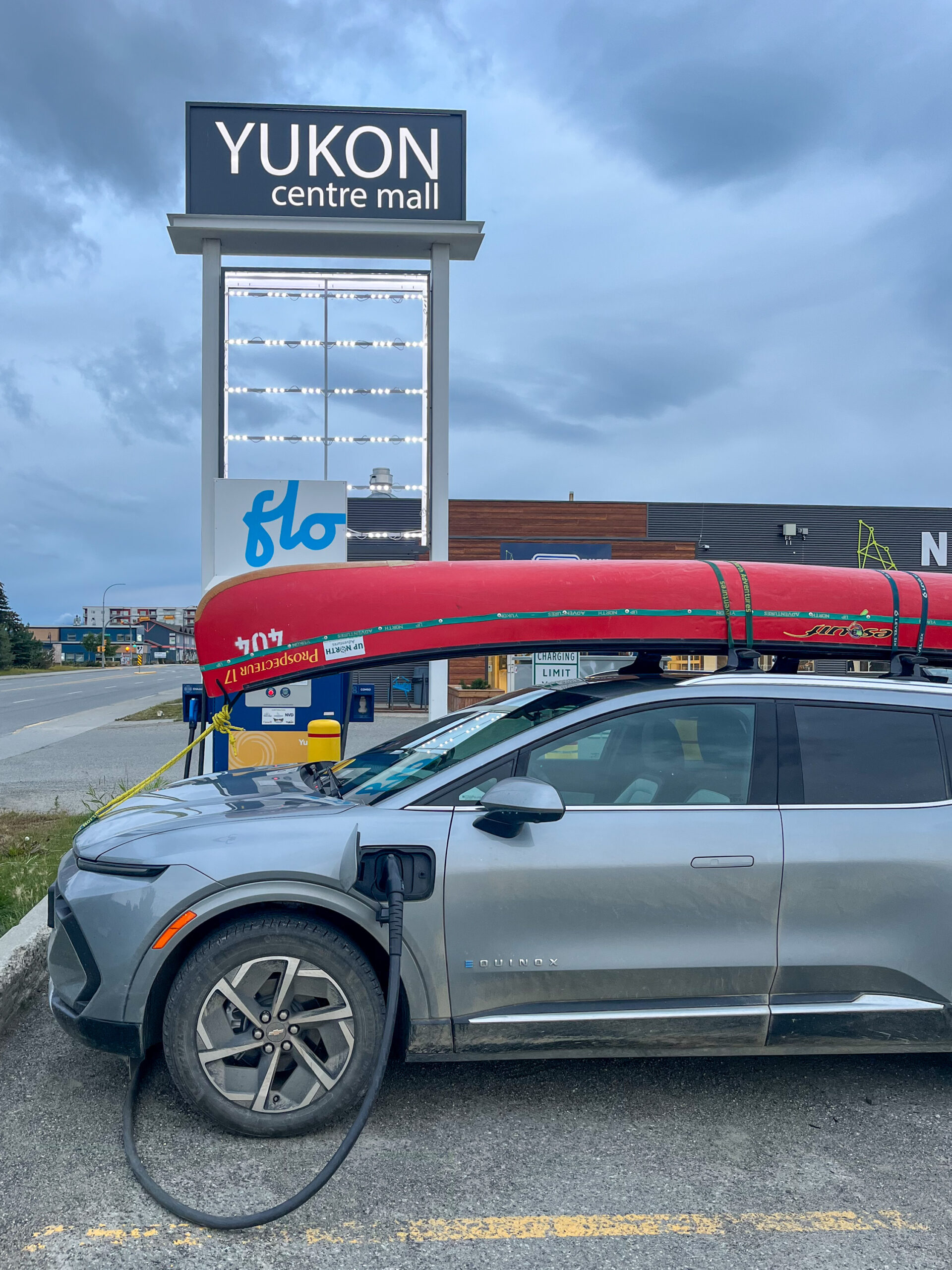
Charging station in Canada

Nelson Community Solar Garden

Nelson Community Solar Garden

Nelson Community Solar Garden

Nelson Community Solar Garden

Nelson Community Solar Garden

Nelson Community Solar Garden

Nelson Community Solar Garden

Nelson Community Solar Garden

Nelson Community Solar Garden